
The Problem Nobody Talks About
Your doctor told you to avoid sugar. You stopped adding it to your tea. You gave up sweets and desserts. You're doing everything right.
Yet your blood sugar is still spiking. Still unpredictable. Still frustrating.
Here's what's happening: sugar is not your only enemy. There are 10 common, everyday foods that diabetics eat without a second thought — foods that look harmless, foods that are even labeled “healthy” — that are silently destroying your blood sugar control.
Number 7 on this list surprises almost everyone. Even people who have been managing diabetes for years.
Let's go through all 10, explain exactly why each one is dangerous, and tell you what to eat instead.
A Quick Note Before We Start
“Foods diabetics should avoid” does not mean these foods will kill you if you eat them once. It means these foods cause blood sugar spikes, insulin resistance, or inflammation that makes diabetes harder to manage over time. The goal is not perfection — it is awareness. Once you know what these foods do inside your body, you can make smarter choices every single day.
#1 — White Rice (Including “Parboiled” Rice)
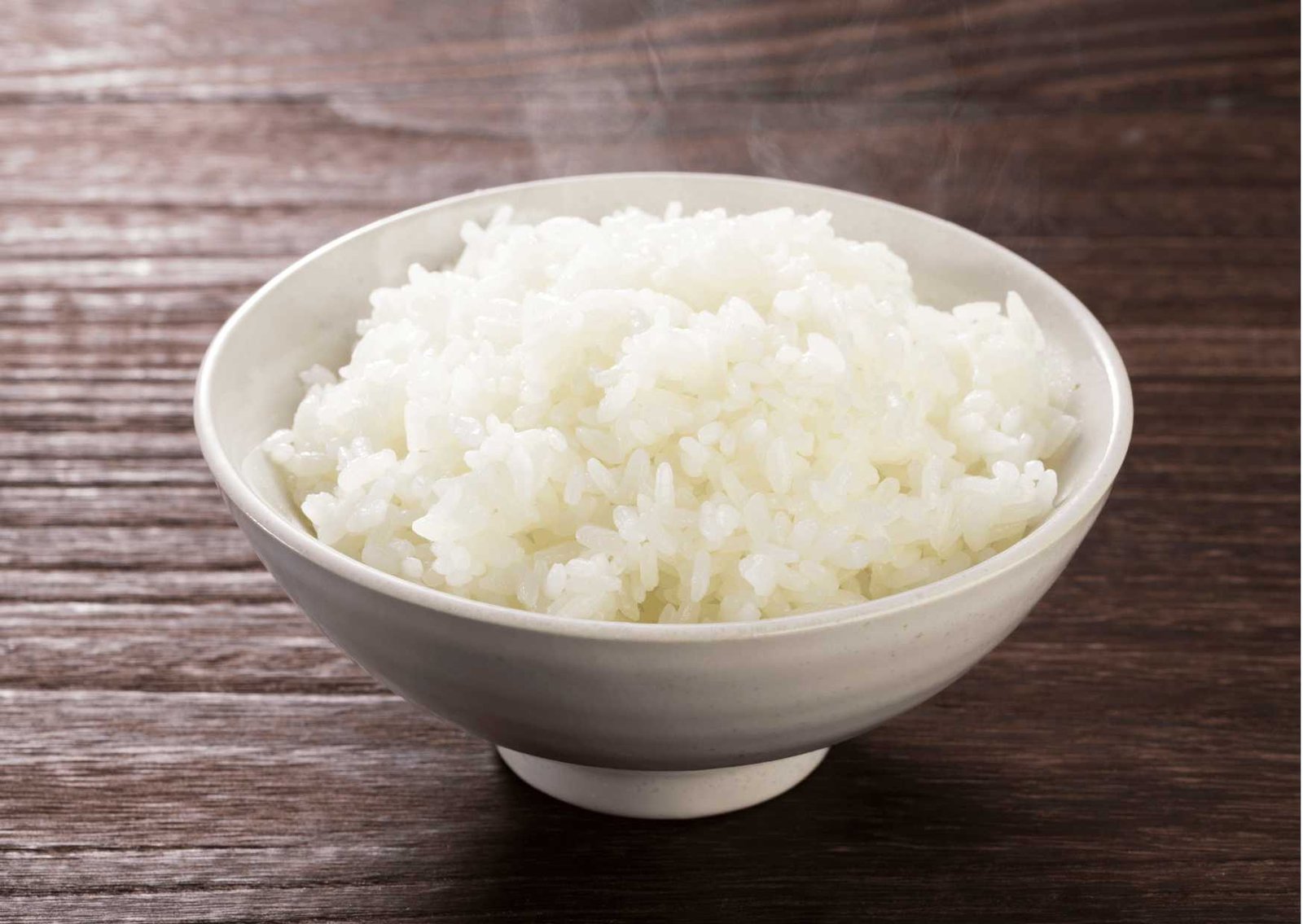
This one hits hard for Indian households where rice is eaten twice a day, every day.
White rice has a glycemic index (GI) of 64–72 depending on how it is cooked. That means it is digested and absorbed rapidly, causing a fast and sharp rise in blood sugar within 30–45 minutes of eating. For a diabetic, this spike triggers a rush of insulin, followed by a crash, followed by hunger again — a cycle that makes blood sugar impossible to stabilize.
The cruel irony is that parboiled rice — which many diabetics switch to thinking it is safer — has almost the same GI as regular white rice. The processing changes the texture but not the glycemic impact significantly enough to matter.
What to eat instead: Smaller portions of rice mixed with vegetables and dal to slow absorption. Or switch to red rice or hand-pounded rice, which retain more fiber and have a meaningfully lower GI. Brown rice is another option but many people find the taste adjustment difficult — start by mixing 30% brown rice with 70% white and gradually shift the ratio.
#2 — Fruit Juice — Including “100% Natural” and “No Added Sugar” Varieties
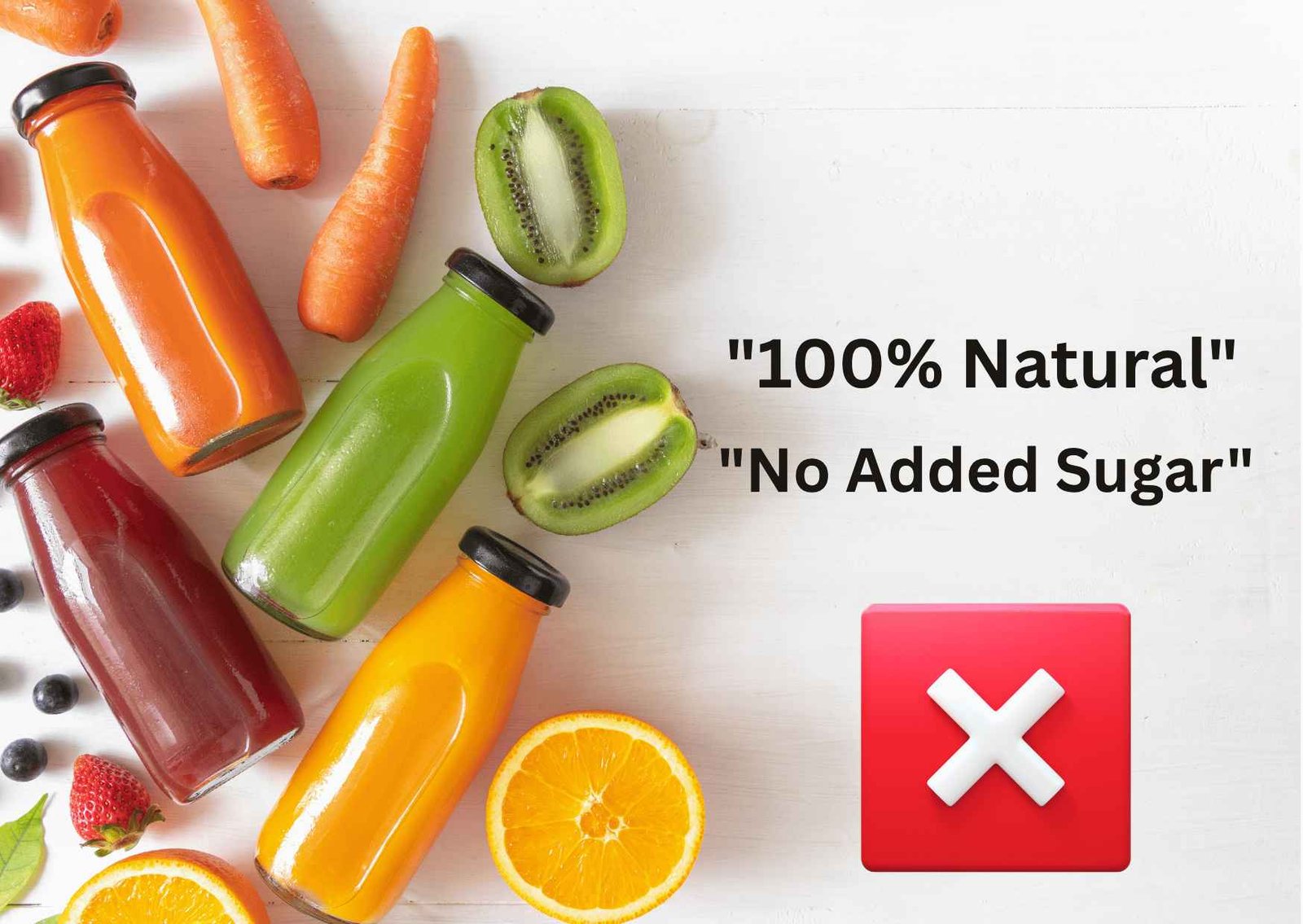
This is one of the most common mistakes diabetics make, and food labeling is largely to blame.
When you eat a whole orange, you get the sugar along with the fiber, which slows absorption dramatically. When you drink orange juice — even freshly squeezed, even 100% natural — you get all the sugar with almost none of the fiber. A single glass of orange juice can contain the sugar equivalent of 3–4 whole oranges, absorbed in minutes.
A 250ml glass of commercial orange juice has a GI of around 50 and contains 20–25 grams of sugar. For context, the American Diabetes Association recommends limiting added sugar to under 25 grams per day for women and 36 grams for men. One glass of juice gets you there before you have even eaten anything.
“No added sugar” on the label means nothing here. The naturally occurring fruit sugar (fructose) spikes blood glucose just as effectively.
What to eat instead: Eat the whole fruit with its fiber intact. If you want something to drink, infuse water with a few slices of cucumber, lemon, or mint. If you truly want fruit juice occasionally, dilute it 50/50 with water and limit to 100ml maximum.
#3 — White Bread, Maida Rotis, and Naan
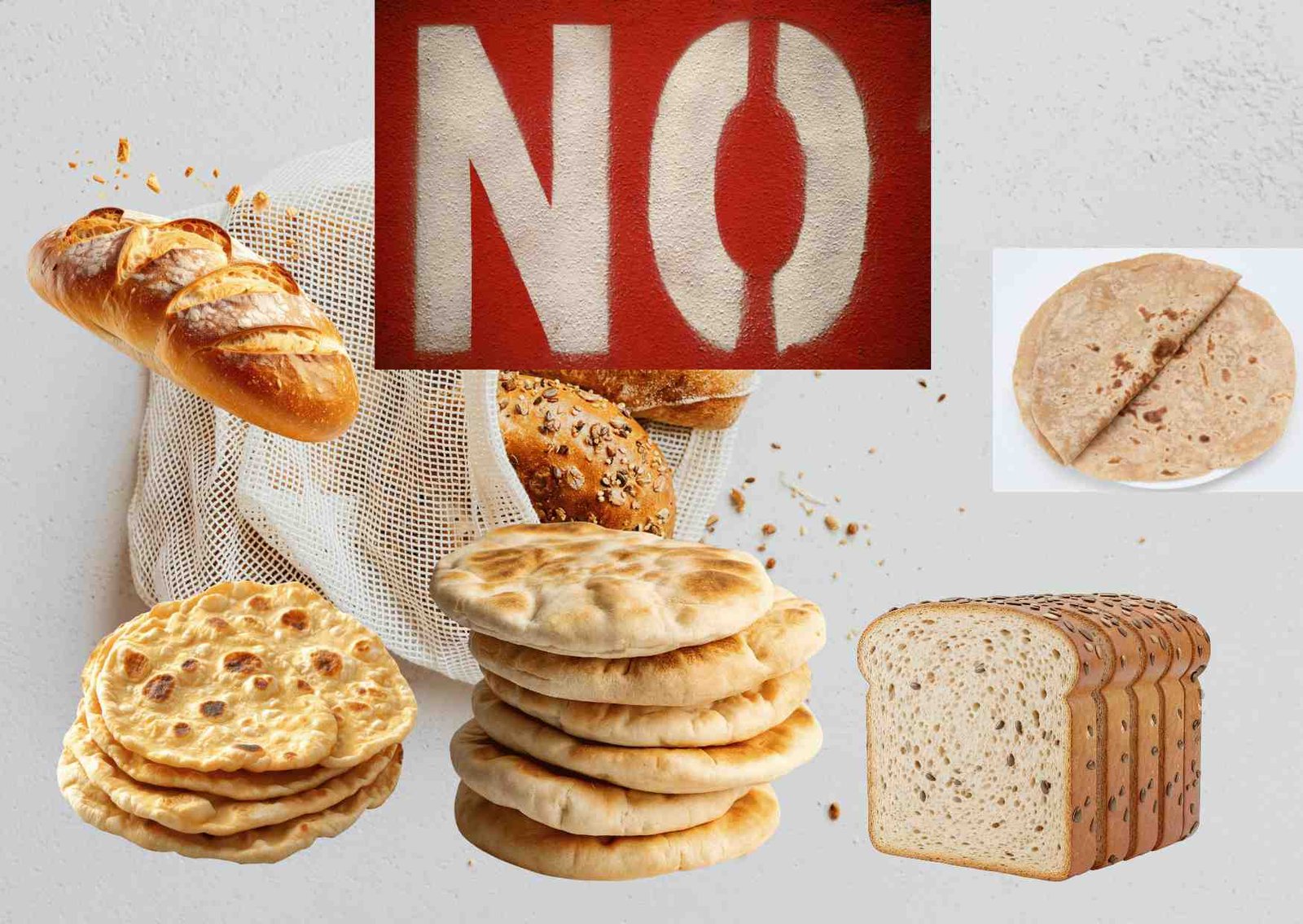
Most people know white bread is not ideal. Fewer people realize that maida-based rotis, naan, and paratha made with refined flour are equally problematic — sometimes worse.
White bread and maida products have a GI of 70–85, which is classified as high glycemic. They are digested so quickly that they behave almost identically to eating pure sugar in terms of blood glucose response. The refining process that makes flour white strips away the bran and germ — the parts that contain fiber and nutrients — leaving behind almost pure starch.
Naan at a restaurant is particularly dangerous because it is made with maida, cooked with butter or oil, and served in large portions. A single medium naan can contain 45–50 grams of rapidly digestible carbohydrates.
What to eat instead: Whole wheat roti made with chakki-ground atta (not the fine, white-looking whole wheat flour — look for coarser, darker atta). Even better — jowar roti, bajra roti, or ragi roti. These millets have GI values of 50–55 and are rich in fiber that genuinely slows blood sugar absorption.
#4 — Flavoured Yogurt and Sweetened Lassi
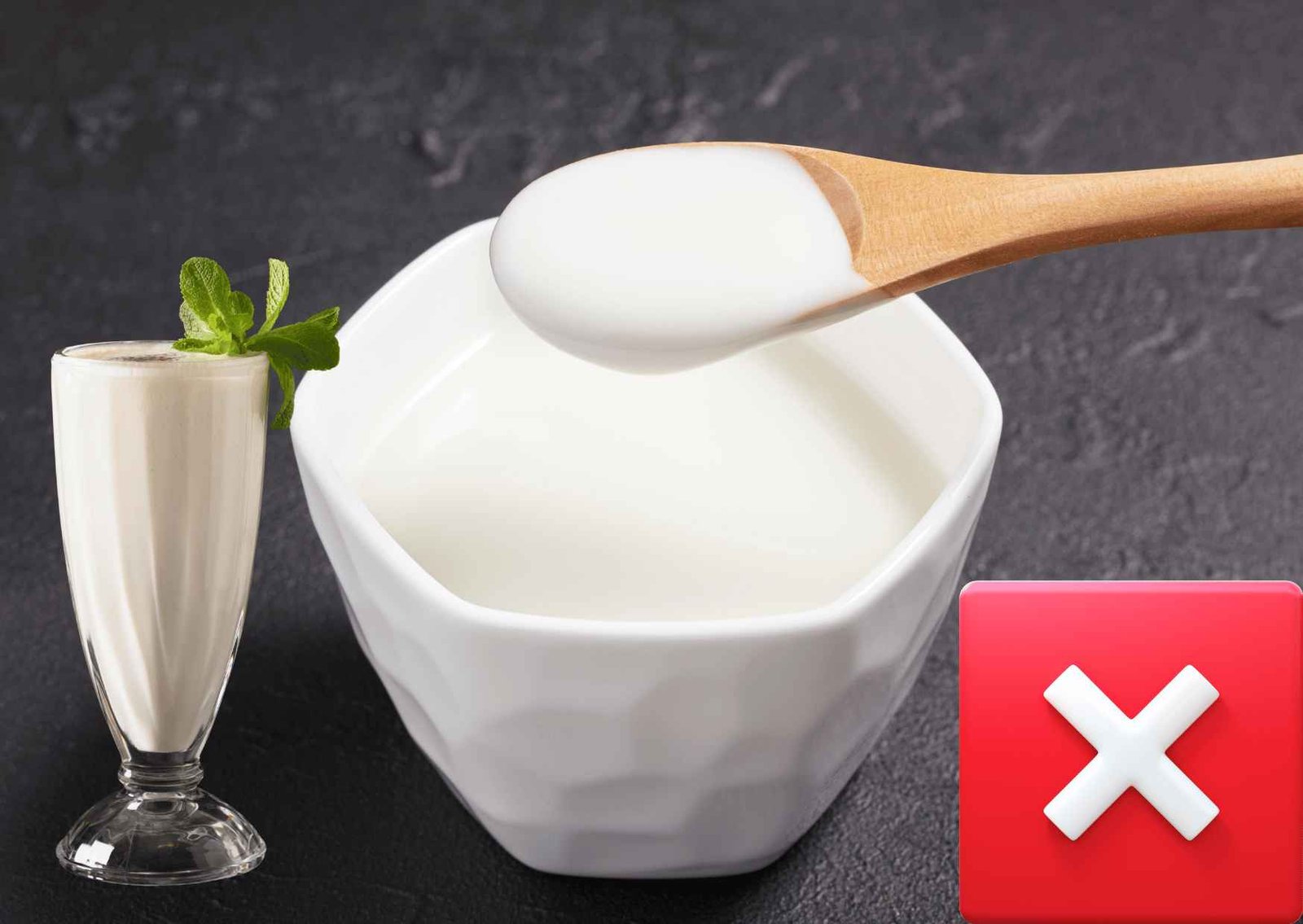
Plain yogurt is excellent for diabetics — it is high in protein, contains beneficial bacteria for gut health, and has a low GI. This makes people assume all yogurt and lassi products are safe. They are not.
Flavored yogurt — mango yogurt, strawberry yogurt, vanilla yogurt — can contain 15–25 grams of added sugar per small cup. Commercial sweet lassi sold in packets or restaurants typically contains 30–40 grams of sugar. Some branded fruit yogurts marketed as “healthy” or “probiotic” contain more sugar per serving than a scoop of ice cream.
The protein in yogurt does help moderate the sugar spike somewhat — but not enough to make sweetened varieties safe for regular consumption by diabetics.
What to eat instead: Plain, unsweetened curd (dahi) made at home or bought from a trusted local source. If you want flavored yogurt, make it yourself — blend plain curd with half a banana or a few pieces of mango and skip the added sugar entirely. For lassi, make it salted or add only a small amount of jaggery rather than sugar.
#5 — Packaged Breakfast Cereals (Including “Diabetic” and “Health” Cereals)
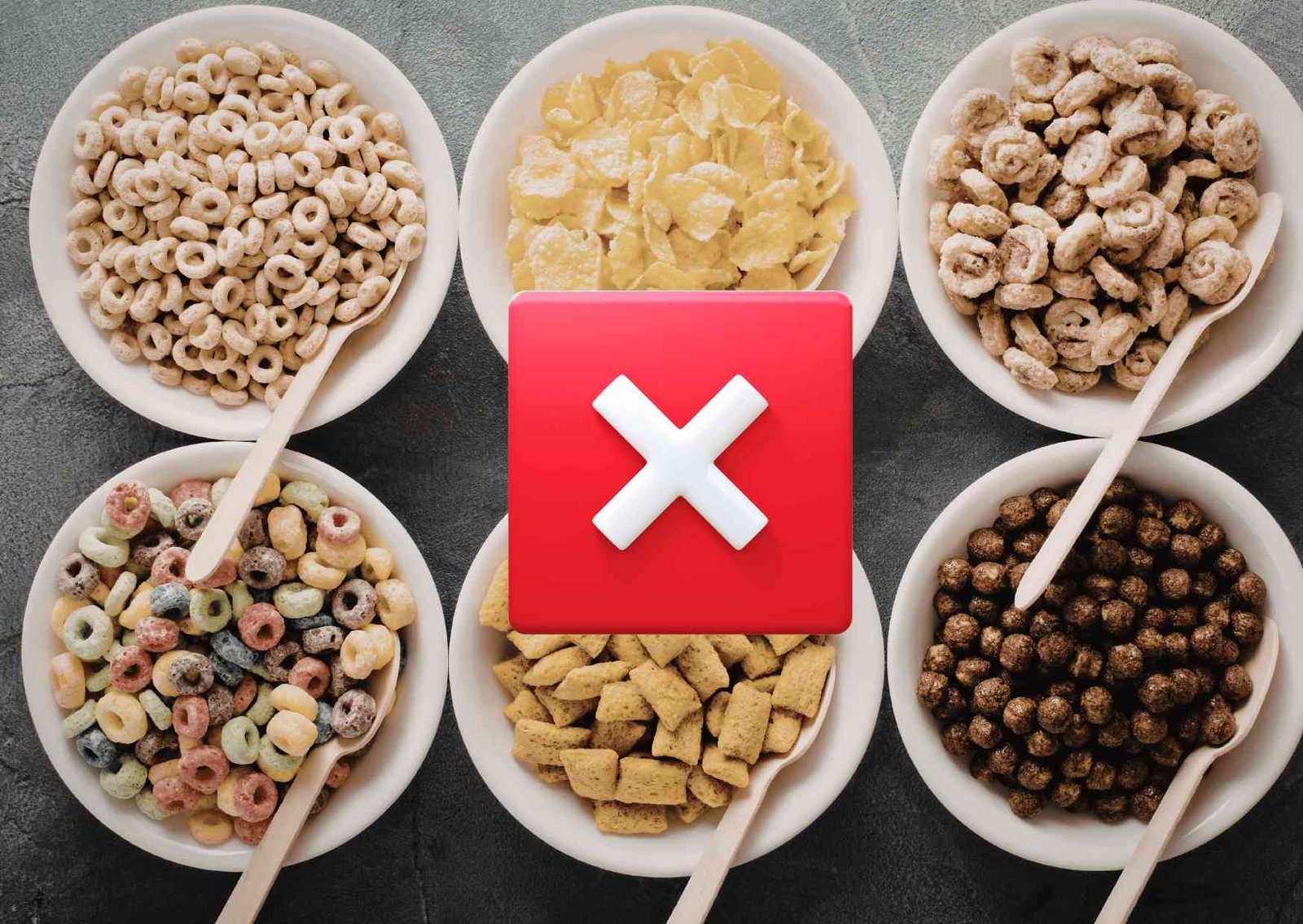
Cornflakes. Muesli. Granola. Oat-based cereals with honey. These are the breakfast foods that diabetics commonly eat thinking they are making responsible choices.
The GI of cornflakes is 81 — higher than white bread. Even many “health” cereals and muesli varieties are loaded with added sugars, dried fruit (which is concentrated sugar), honey, or glucose syrup. The word “whole grain” on the packet does not automatically make a cereal safe — manufacturers can use just enough whole grain to qualify for the label while the rest is refined.
A 50-gram serving of commercial granola can contain 12–20 grams of sugar before you even add milk.
What to eat instead: Plain rolled oats cooked in water or milk with no added sugar — topped with a handful of nuts and seeds. Steel-cut oats are even better, with a GI of around 42. Alternatively, a traditional South Indian breakfast of idli, sambar, and chutney is genuinely better for blood sugar than most packaged cereals — the fermentation process reduces the glycemic load significantly.
#6 — Honey, Jaggery, and “Natural” Sweeteners
This is one of the most persistent myths in diabetes management in India, and it is costing people their health.
The belief: “I don't use sugar — I use honey or jaggery, so it is fine.”
The reality: Honey has a GI of 58 and contains 17 grams of carbohydrate per tablespoon, almost entirely as sugars. Jaggery has a GI of 84 — higher than white sugar, which has a GI of around 65. Coconut sugar, often marketed as a healthy alternative, has a GI of 54. Date syrup has a GI of around 47.
None of these are safe for diabetics in meaningful quantities. They are all sugar in slightly different chemical forms. The micronutrients in jaggery and honey are real but present in such small amounts per serving that they do not offset the blood sugar impact.
What to eat instead: Stevia (a natural, plant-based sweetener with zero GI), or simply train yourself to reduce sweetness across all foods gradually. Your taste buds adapt within 3–4 weeks — foods that once seemed perfectly sweet will begin to taste too sweet, and you will naturally use less.
#7 — “Sugar-Free” Biscuits, Cookies, and Diabetic Foods
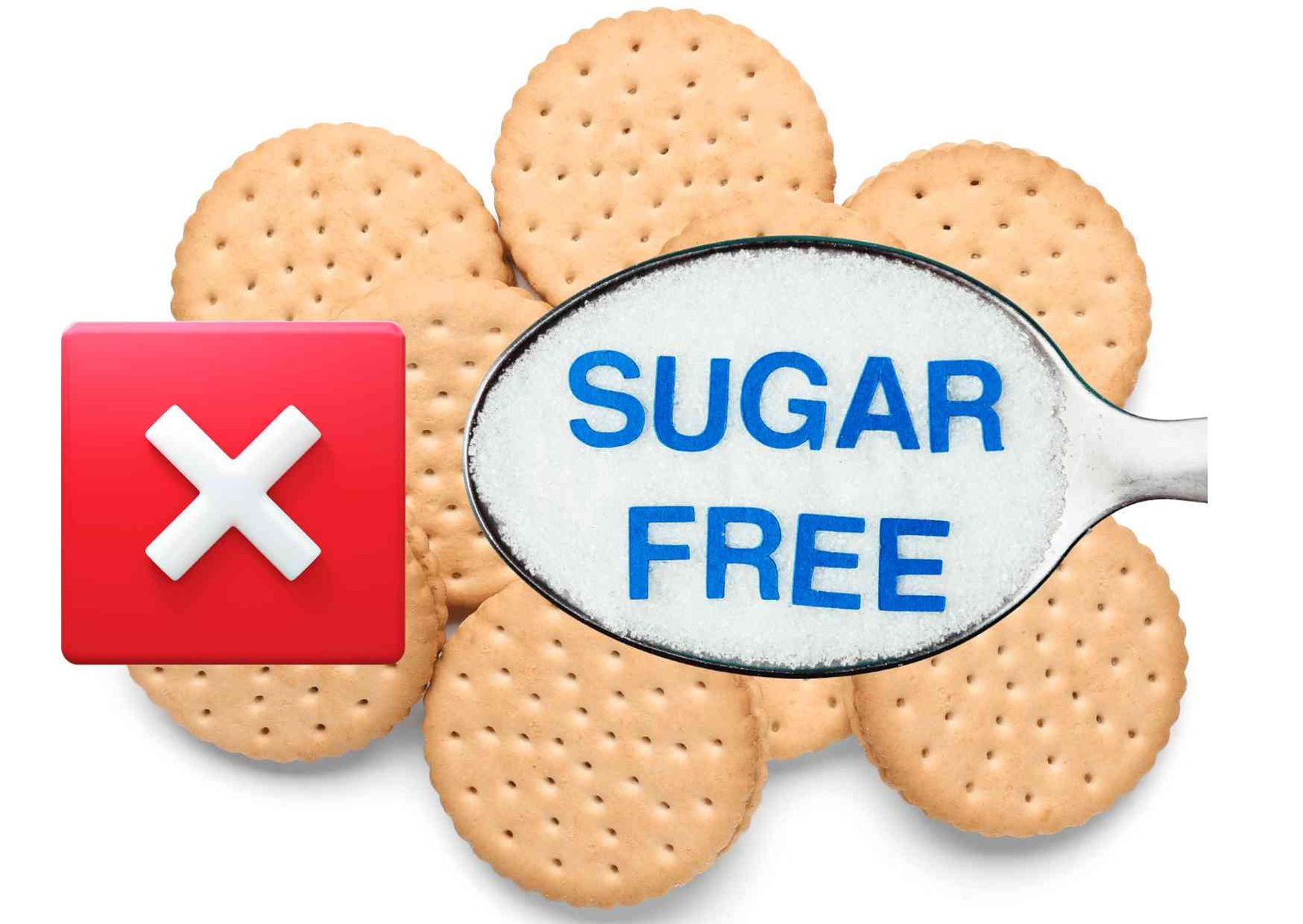
This is the one that surprises almost everyone.
Diabetic biscuits. Sugar-free cookies. Products specifically marketed to diabetics. These are foods that people with diabetes buy specifically because they think they are safe. In many cases, they are not.
Here is why: “sugar-free” means the product does not contain sucrose (table sugar). It says nothing about total carbohydrates. Most sugar-free biscuits are made with maida, refined starch, and maltitol — a sugar alcohol that still raises blood glucose, just more slowly than sucrose. A packet of “diabetic biscuits” can contain 60–70 grams of total carbohydrate, which will absolutely spike blood sugar.
Additionally, many sugar-free products contain artificial sweeteners that studies have linked to increased insulin resistance over time and disruption of gut bacteria. The “diabetic friendly” label is a marketing strategy, not a medical endorsement.
Check the label. Look at total carbohydrates — not just sugar. If total carbohydrates per serving exceed 15–20 grams, the product will likely spike your blood sugar regardless of what the front of the packet claims.
What to eat instead: A small handful of raw almonds, walnuts, or peanuts as a snack. These have minimal impact on blood sugar, provide healthy fats and protein, and genuinely satisfy hunger. Or make homemade snacks using besan (chickpea flour), seeds, and spices — far better than anything in a “diabetic” packet.
#8 — Potatoes in Any Form
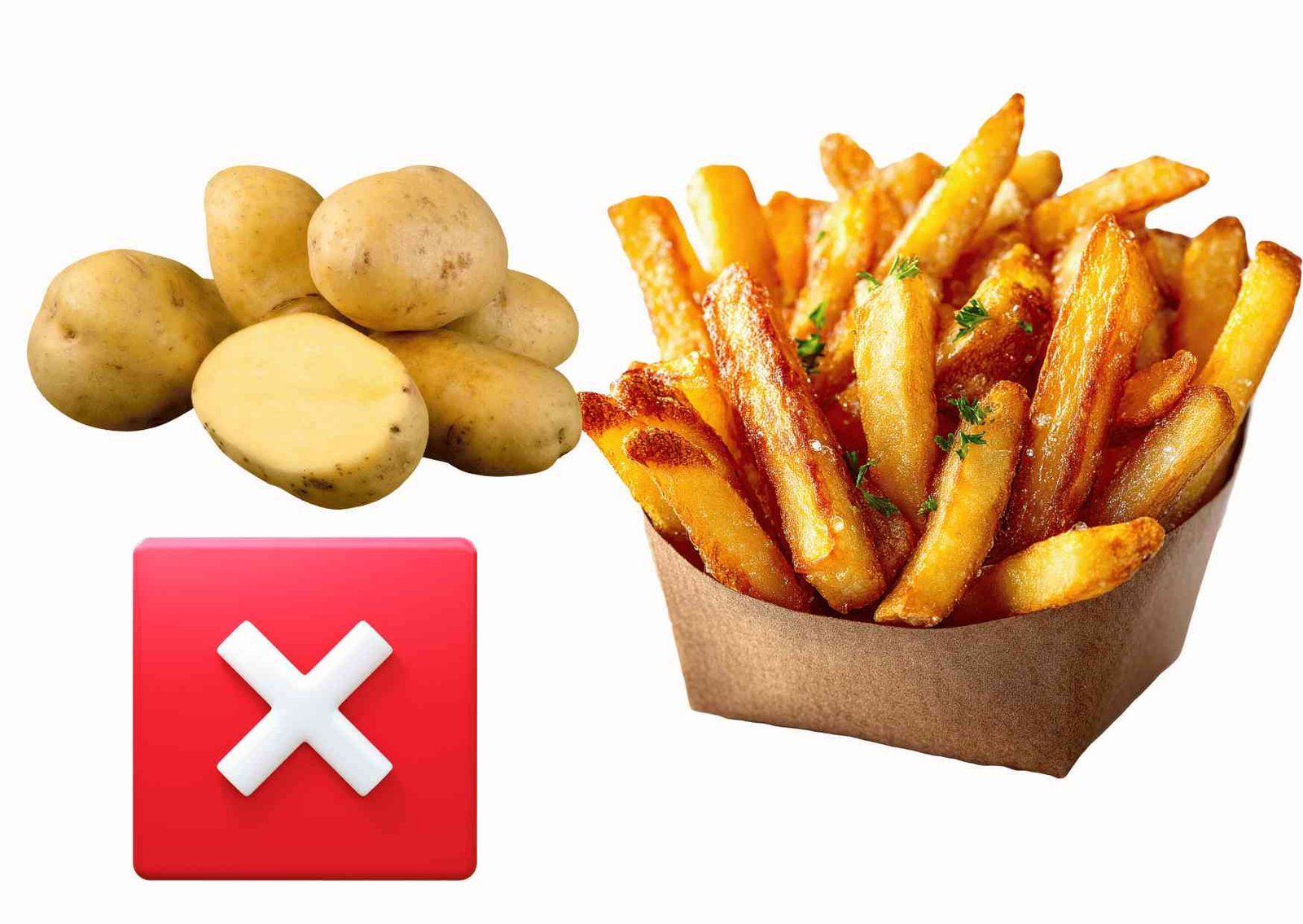
Potatoes are a beloved staple across India — in curries, as chips, as aloo paratha, in biryanis, in samosas. Unfortunately for diabetics, potatoes are one of the most glycemically damaging foods you can eat.
Boiled potatoes have a GI of 78. Baked potatoes reach as high as 85. Mashed potatoes are around 83. French fries are 75. The starch in potatoes is rapidly converted to glucose, causing sharp blood sugar spikes that are difficult to control.
Cooling cooked potatoes overnight and reheating them does lower the GI slightly by converting some starch to resistant starch — but only by about 10–15 points. It helps, but it does not make potatoes safe for frequent consumption.
What to eat instead: Sweet potato has a significantly lower GI (around 44–61 depending on preparation) and is a much better option for diabetics. Raw banana, raw jackfruit, and colocasia (arbi) are also lower-GI alternatives used commonly in Indian cooking.
#9 — Full-Fat Coconut Milk and Fried Coconut-Based Curries
This entry is particularly relevant for South Indian and Telugu cuisine, where coconut is used heavily in cooking.
Coconut milk and coconut-heavy curries do not directly spike blood sugar — coconut fat is actually beneficial for some aspects of metabolic health. The problem is indirect but significant: high saturated fat intake consistently worsens insulin resistance over time. When your cells become more resistant to insulin, it takes increasingly larger amounts of insulin to manage the same blood sugar load. For a type 2 diabetic, this is the direction you absolutely do not want to travel.
Deep-fried dishes with coconut — kobbari vada, fried coconut chutneys eaten in large quantities, heavily coconut-based gravies eaten daily — contribute to this insulin resistance problem over months and years.
What to eat instead: Use coconut in moderate amounts as a flavoring and garnish rather than as a primary ingredient. Coconut chutney in small quantities is fine. A light coconut-based curry once or twice a week is not a problem. The issue is daily heavy consumption combined with a high-carbohydrate diet.
#10 — Alcohol — Especially Beer and Sweet Wines
Many diabetics believe that moderate alcohol is safe because alcohol does not directly contain sugar. The reality is significantly more complicated and more dangerous.
Beer is made from fermented grain and contains 10–15 grams of carbohydrate per standard drink, with a GI of around 66. Sweet wines and cocktails mixed with juice or soda contain even more sugar. But even dry wines and spirits cause problems — alcohol interferes with the liver's ability to regulate blood glucose, can cause hypoglycemia (dangerous low blood sugar) hours after drinking especially if you take insulin or certain medications, and consistently disrupts sleep quality, which directly worsens insulin sensitivity the following day.
The combination of alcohol and diabetes medications — particularly sulfonylureas and insulin — can be genuinely dangerous, causing severe hypoglycemic episodes.
What to do instead: If you do drink socially, choose dry red wine in small quantities (150ml maximum), eat food before and during drinking, never drink on an empty stomach, monitor your blood sugar before bed if you drink in the evening, and always inform your doctor about your alcohol consumption so they can adjust medications accordingly.
Summary — Quick Reference Table
| Food | Why It's Dangerous | GI | Safe Alternative |
|---|---|---|---|
| White rice | Rapid starch absorption | 64–72 | Red rice, millet, smaller portions with dal |
| Fruit juice | Sugar without fiber | 50+ | Whole fruit, infused water |
| Maida products | High GI refined starch | 70–85 | Jowar, bajra, ragi roti |
| Flavored yogurt | Hidden added sugar | Varies | Plain homemade curd |
| Packaged cereals | High sugar, high GI | 70–81 | Plain oats, idli-sambar |
| Honey and jaggery | Still sugar — high GI | 58–84 | Stevia, reduce sweetness gradually |
| Sugar-free biscuits | High total carbs, maltitol | High | Raw nuts, homemade besan snacks |
| Potatoes | Rapid starch spike | 75–85 | Sweet potato, raw banana |
| Heavy coconut curries | Worsens insulin resistance | Indirect | Moderate coconut as garnish |
| Alcohol | Disrupts liver glucose control | Varies | Dry red wine in strict moderation |
The One Rule That Overrides Everything
If remembering 10 foods feels overwhelming, use this single rule for every meal:
Before you eat anything, ask: does this food contain fiber, protein, or healthy fat alongside its carbohydrates?
Fiber, protein, and fat all slow the absorption of carbohydrates. A meal that combines carbohydrates with these three things will always have a lower impact on blood sugar than the same carbohydrates eaten alone. This is why dal rice is safer than plain rice. Why eating fruit is safer than drinking fruit juice. Why curd rice is safer than plain rice.
It is not about eliminating carbohydrates — it is about never letting carbohydrates enter your body alone.
Final Word
Diabetes management is not about suffering. It is not about eating bland food, giving up everything you love, or following a complicated diet that is impossible to maintain.
It is about understanding what specific foods do inside your body and making small, consistent swaps that compound over time. The 10 foods on this list are not banned forever — they are foods to minimize, substitute, or eat in much smaller portions combined with smarter choices.
Start with the one that applies most to you. Make that one change this week. Then the next. Small, steady, sustainable — that is what actually works.
Disclaimer: This article is for informational purposes only and does not constitute medical advice. Always consult your doctor or a registered dietitian before making significant changes to your diet, especially if you are on diabetes medication or insulin.
Found this helpful? Share it on WhatsApp with someone managing diabetes — this information could genuinely help them.