
Theoretically, meal planning sounds fantastic—you feel in control, eat better, and save money.
You understand how unrealistic it can be, though, if you've ever tried to plan seven days of flawless meals and ended up with takeout and wilted spinach on day three.
The good news is that perfection is not necessary. All you need is a plan that works for you.
This guide will show you how to create a straightforward, adaptable meal plan that truly suits your schedule, your budget, and your taste buds, regardless of whether you're a working parent, student, or professional.
The Significance of Meal Planning
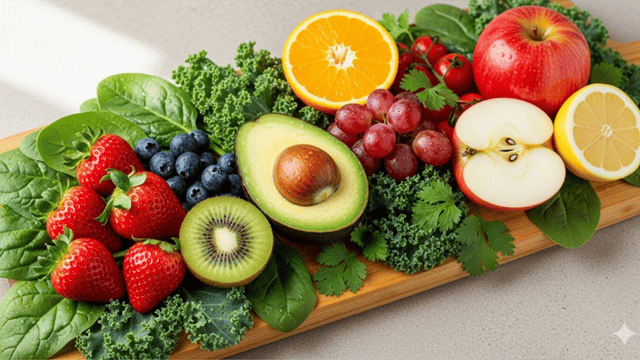
Meal planning is about structure with flexibility, not rigid diets.
Three important things are under your control when you plan your meals:
- Your Health: Making well-rounded, nutrient-dense decisions is aided by planning.
- Your Budget: Intentional ingredient purchases minimize impulsive purchases.
- Your Time: Planning ahead helps you avoid those “what's for dinner?” panics at 7 p.m.
Example: Compared to impulsive grocery runs or daily food delivery, you'll probably spend 20–25% less if you plan your shopping for a week.
Step 1: Begin by doing what you already enjoy.
Meals you already enjoy are the first step in creating a successful meal plan.
If you truly want rice bowls, you don't have to spend your week eating quinoa salads.
For instance, if your family enjoys pasta, keep it on the menu. Just replace refined pasta with whole wheat or chickpea pasta and serve a ton of vegetables and lean protein instead.
Minor adjustments improve the meal's balance while preserving the flavor.
Pro Tip: List your ten favorite meals (breakfast, lunch, and dinner) in brief.
From there, search for healthier alternatives, such as baking rather than frying or substituting olive oil for butter.
Step 2: Make plans for three to four days rather than seven.
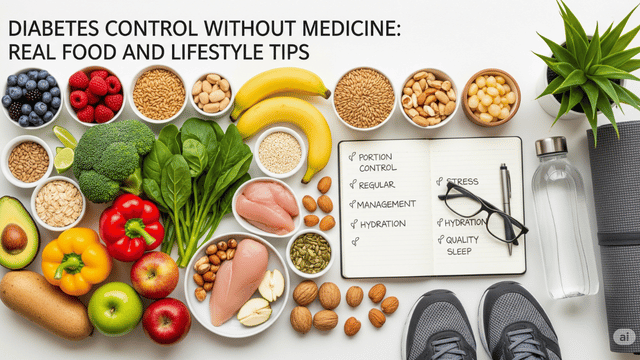
Overplanning is one of the main causes of meal plan failure.
It sounds fantastic to plan for the entire week, but then life happens—a late meeting, a dinner invitation, or a change in cravings.
Rather:
Allow for leftovers, impromptu meals, or eating out after planning for three to four main days.
You can mix and match for the remainder of the week by preparing ingredients in bulk, such as grilled chicken, roasted vegetables, or cooked rice.
For instance, make extra grilled chicken on Monday to use for salad on Wednesday and wraps on Tuesday.
You'll avoid food waste and save time.
Step 3: Make Decisions Easier by Using Meal Themes
Have you ever found meal selection overwhelming? Consider hosting theme nights.
They make planning enjoyable and provide structure without being boring.
- Here are a few simple theme suggestions:
- Meatless Monday: paneer tikka, vegetable stir-fry, or lentil curry.
- Taco Tuesday: Mexican bowls, bean burritos, or fish tacos.
- Whole-Grain Wednesday: quinoa bowls, barley soup, or brown rice stir-fry.
- Protein Thursday: Chickpea salad, tofu scramble, or baked chicken.
- Healthy wraps or homemade pizza for a fun Friday.
For instance, a “Stir-Fry Friday” theme allows you to use whatever vegetables are left in your refrigerator, saving you time and stress.
Step 4: Use the “3-2-1” Rule to Build Every Meal
This is a straightforward framework for making wholesome, well-balanced meals without keeping track of macros or calories.
A winning plate is made up of three parts vegetables, two parts protein, and one part carbohydrates.
For instance:
- Stir-fry three cups of mixed vegetables, half a cup of tofu, and half a cup of brown rice.
- Breakfast bowl with one banana, half a cup of Greek yogurt, and half a cup of oats
- Supper consists of one chicken breast, two cups of salad, and one baked sweet potato.
While maintaining balanced portions, you'll naturally increase fiber, vitamins, and minerals.
Step 5: Shop Smart (and Save)

Make a Master Grocery List.
Keep a categorized list (produce, grains, protein, pantry items). Each week, check off what you need.
Apps like AnyList or Google Keep make this easy.
Buy in Bulk, But Be Strategic.
Stock pantry staples like oats, lentils, and rice — but buy perishable items in smaller amounts.
Shop Seasonal & Local.
Fresh, local produce tastes better and is cheaper — bonus points for supporting farmers!
Example:
Instead of buying berries in winter, switch to apples or oranges — equally nutritious and budget-friendly.
Step 6: Prepare Wisely, Not Hardly
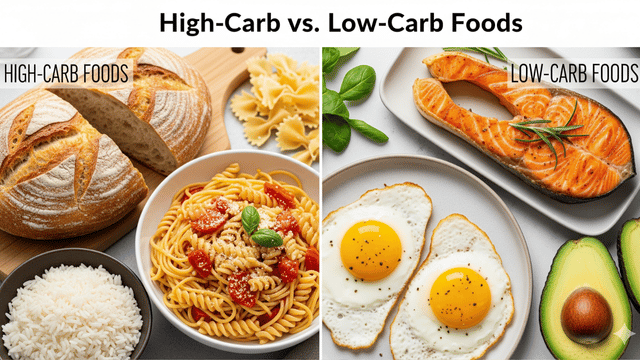
Cooking doesn't have to take up your entire day. Prioritize thoughtful preparation over “Instagram-worthy” preparation.
Not meals, but batch tasks:
- Prepare vegetables by washing and chopping them.
- Prepare a large pot of grains, such as quinoa or rice.
- Prepare proteins in advance, such as chicken or beans.
Prepare one or two sauces to incorporate into various dishes, such as pesto or tahini dressing.
For instance, prepare grilled chicken and roasted vegetables on Sunday and use them throughout the week in salads, bowls, and wraps.
Step 7: Be More Flexible (Because Life Happens)
Your meal plan is a guide, not a contract.
It's okay to skip meals, switch up your lunch and dinner, or go out for pizza!
- Change your plan instead of feeling guilty.
- Freeze any leftovers for later use.
- Make adjustments the following week if something didn't work.
Perfection is subordinated to consistency.
For instance, you intended to have salmon but ended up with vegetable soup instead. Fantastic! Even so, you made a thoughtful decision.
Step 8: Make It Fun
Healthy eating doesn't have to be tasteless or uninteresting.
Textures, herbs, and spices add interest to meals.
Try this:
- To rice, add herbs or lemon zest.
- For variation, use vibrant vegetables.
- Try some international cuisines, such as Thai curries, Indian dal, and Mediterranean bowls.
Your meal plan becomes sustainable rather than restrictive when you enjoy what you eat.
Step 9: Establish a Practical Routine
Establish a basic rhythm that suits your way of life:
- Saturday: Make a shopping list and plan your meals.
- Sunday: shopping for groceries and doing some preparation
- On weekdays, prepare meals once a day or reheat them.
- Friday: Order something entertaining or use up leftovers.
Creating a system, even if it's a loose one, saves hours of mental effort every week.
Real-Life Example: 4-Day Practical Meal Plan
| Day | Breakfast | Lunch | Dinner | Snack |
|---|---|---|---|---|
| Monday | Oatmeal with banana & nuts | Quinoa bowl with veggies | Grilled chicken + salad | Roasted chickpeas |
| Tuesday | Smoothie with spinach, apple, and flax | Veggie wraps | Stir-fry with tofu | Yogurt with honey |
| Wednesday | Scrambled eggs with toast | Leftover stir-fry | Lentil soup | Fruit |
| Thursday | Chia pudding | Mixed bean salad | Paneer curry + brown rice | Handful of almonds |
Mentality: Avoid the “All or Nothing” Trap
Meal planning is about progress, not perfection.
You're already doing better than most people who rely on impulsive food choices, even if you only follow 60–70% of your plan.
- Make consistency a priority.
- making nutritious substitutions.
- discovering what suits you.
Commonly Asked Questions (FAQs)
1. How much time does it take to prepare meals?
Washing, chopping, and cooking basic foods typically takes one to two hours each week. On hectic weekdays, you'll save twice as much time.
2. Must I consume the same foods each day?
Absolutely not. Don't repeat meals, but ingredients. Use grilled vegetables in wraps one day and pasta the next.
3. Is it possible to manage weight with meal planning?
Yes, it naturally promotes healthier eating by limiting portions and steering clear of high-calorie last-minute options.
4. What if I live by myself?
For singles, meal planning is ideal! Simply prepare smaller portions and store extras in the freezer. Your best friend is leftovers.
5. How can I maintain it over time?
Be adaptable. Try new recipes, update your plan every month, and don't strive for perfection. The best plan is the one you follow through on.
💡 Extra Success Advice
- Save “emergency meals” for hectic days, such as canned beans or frozen vegetables.
- To promote healthy snacking, keep chopped fruits in transparent containers.
- Take advantage of Sunday evenings to quickly reflect on what went well and what didn't, then make the necessary adjustments.
Conclusion: Your Lifestyle, Your Meal Plan

Making eating intentional is the goal of a good meal plan, not tracking calories or adhering to trends.
Your body feels nourished, your wallet remains content, and your mind is at ease when your meals are lovingly planned.
This week, start small by organizing three meals, shopping with intention, and observing how it affects your focus and energy levels.
Meal planning will become second nature to you and not a chore in a matter of weeks.
Cheers to a healthier you, easier cooking, and more intelligent meals.
Related Article
Magnesium Deficiency: Symptoms, Effects, and Sources
The Healing Power of Herbal Teas: Benefits, Preparation & Everyday Uses
Why Sesame Seed Oil Deserves a Spot in Your Kitchen and Wellness Routine
⚠️ Medical Disclaimer
The content shared on Kitchen Made Health is for educational and informational purposes only.
It is not intended as medical advice and should not replace consultation with a qualified healthcare professional.
Always seek your doctor’s guidance before making changes to your diet, lifestyle, or supplement routine, especially if you have existing health conditions or dietary restrictions.
Results may vary between individuals.