
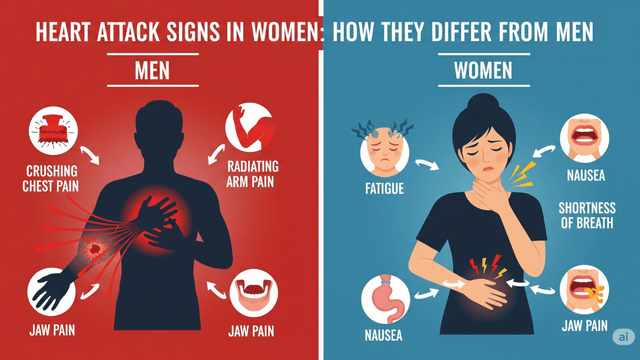
In India as well as other countries, heart disease is the primary cause of death for women. However, because the early warning signs of a heart attack don't always resemble those of men, many women—and even medical professionals—frequently overlook them.
The specific symptoms, hidden risk factors, and preventative measures for women are thoroughly examined in this article. By the end, you'll understand how to protect your heart health, when to act, and how to pay attention to your body.
Why Heart Attack Symptoms in Women Are Frequently Ignored
People typically envision the dramatic chest-clutching scene from movies when they think of a heart attack. However, heart attacks often don't look like that in real life, especially for women.
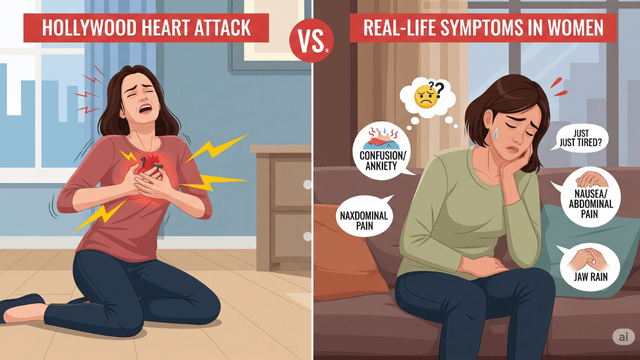
Hormonal variations also come into play. Estrogen protects the heart to some extent prior to menopause. However, the risk increases dramatically after menopause.
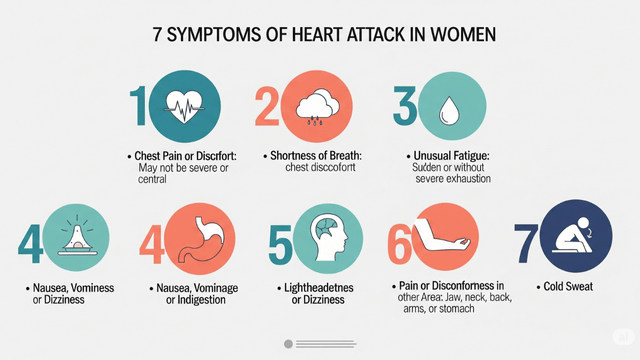
Typical Signs of a Heart Attack in Women
The following are the main symptoms of a heart attack that women may encounter:
1. Odd Fatigue
- Unexpected, inexplicable fatigue, even in the absence of physical activity.
- Feeling weak or “wiped out”
- may show up days or weeks prior to the assault.

2. Breathlessness
- Breathing difficulties, even when you're sleeping, could make it difficult to take a deep breath.
3. Feeling queasy or throwing up
- frequently confused with the flu, indigestion, or food poisoning
4. Perspiration
- Sweat that is cold and clammy (not caused by heat or exercise).
- “Breaking out in a cold sweat” is how women describe it.
5. Uncomfortable Chest (Not Always Pain)
- More akin to tightness, fullness, or pressure than acute pain.
- Sometimes there is absolutely no chest pain.
6. Other Areas of Pain
- Neck, jaw, back, shoulders, or arms discomfort.
- may fluctuate or remain steady.
7. Dizziness or lightheadedness
- feeling weak, lightheaded, or unsteady, frequently accompanied by nausea
| Symptom | Men | Women |
|---|---|---|
| Chest pain | Common, severe | Less intense, pressure-like |
| Arm pain | Usually left arm | Either arm, back, or neck |
| Nausea/vomiting | Less common | More common |
| Shortness of breath | Often with chest pain | Can happen without chest pain |
| Fatigue | Less common | Very common, can last days/weeks |
Risk Factors Particular to Women
Women are particularly vulnerable to the following risk factors in addition to the more common ones, such as diabetes, high blood pressure, and smoking:
- Hormonal changes and menopause: a decrease in estrogen raises risk.
- PCOS, or polycystic ovary syndrome, is associated with heart disease and diabetes.
- Women are more likely to suffer from autoimmune diseases like lupus and rheumatoid arthritis.
- Long-term risk is increased by pregnancy complications such as gestational diabetes and preeclampsia.
- Women are more likely to experience emotional stress and depression, which can affect heart health.
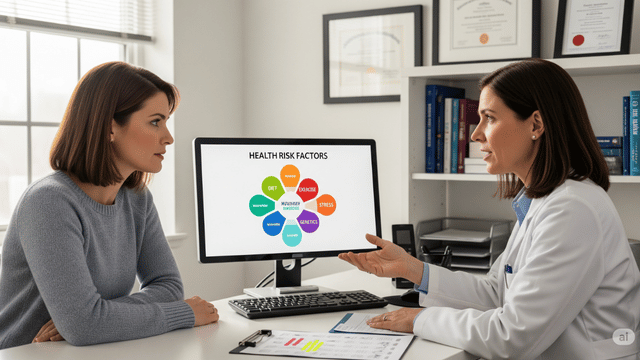
When to Consult a Physician
Avoid waiting to “see if it passes.” Seek medical attention right away if you experience any unusual symptoms, especially if you have risk factors.
Recall that prompt medical attention can save your life.
Advice for Women on Prevention
The good news? A lot of heart attacks can be avoided. Here's how:
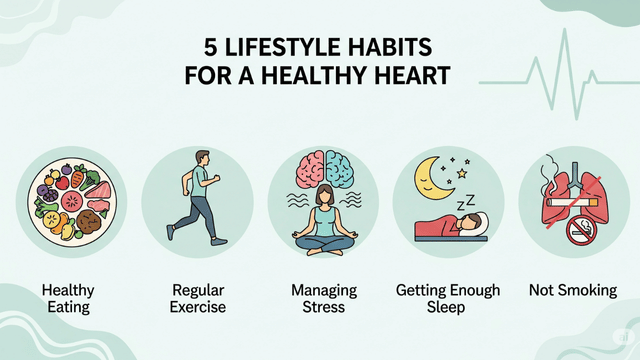
- Consume a diet rich in fruits, vegetables, whole grains, and heart-healthy fats (such as avocados, nuts, and olive oil).
- Engage in regular exercise five days a week for at least thirty minutes each day.
- Reduce stress by practicing yoga, meditation, and deep breathing.
- Keep an eye on your blood pressure, cholesterol, and blood sugar levels.
- Don't smoke, and don't drink too much.
- Routine health examinations: be honest with your physician
FAQs Regarding Heart Attacks and Women
Q1: Is it possible for women to have a heart attack without experiencing chest pain?
👉 Indeed. In actuality, a lot of women experience no chest pain at all, which makes it more difficult to identify.
Q2: Do heart attacks occur in younger women?
👉 Yes, particularly when combined with risk factors like family history, smoking, obesity, and PCOS.
Q3: If I believe I'm having a heart attack, what should I do first?
👉 Do not attempt to drive yourself; instead, call emergency services right away.
Q4: Can women have a heart attack from stress alone?
👉 Indeed. A condition known as “stress cardiomyopathy,” or broken heart syndrome, which resembles a heart attack, can be brought on by emotional stress.

In conclusion
Women's heart attacks are often overlooked because they don't look like men's. Although they may not seem connected, symptoms like fatigue, nausea, dyspnea, or jaw pain can be early indicators.
The first line of defense is awareness. Pay attention to your body, give your heart's health top priority, and don't disregard any odd symptoms.
💡 You might save a life if you tell your mother, sister, or friend about this article.
Recommended Reading
Best Foods to Boost Immunity Naturally (Backed by Science)
Intermittent Fasting: Benefits, Risks, and How to Do It Safely
Do Detox Diets Really Work? Myths, Facts, and Healthy Alternatives
Bio of the Author
The editorial team at Kitchen Made Health reviewed this article. Our goal is to enable readers to make wise lifestyle decisions by offering reliable, scientifically supported health information.
Disclaimer:
The information on Kitchen Made Health is provided for educational and informational purposes only and is not intended as medical advice.
Always consult with a qualified healthcare professional before making any changes to your diet, supplements, exercise routine, or lifestyle — especially if you have an existing medical condition, take prescription medications, or are pregnant or breastfeeding.
The content shared here reflects general wellness knowledge and should not be used to diagnose, treat, or cure any disease.
Results may vary from person to person. If you experience any unusual symptoms or health concerns, please seek immediate medical attention.


