
Because it can develop gradually and without obvious warning signs, diabetes is frequently referred to as a “silent condition.” For months or even years, many people with diabetes are unaware that they have the disease. Serious problems might have started by the time they realize.
My uncle kept complaining of fatigue and blurred vision, but he believed it was simply “age catching up.” I have witnessed this in my own family. He didn't realize he had diabetes until he went for a regular checkup. I've made it a point to be aware of the subtle indicators ever since.
I'll discuss lesser-known signs of diabetes in this post, along with practical advice and traditional treatments that can help you identify and treat the condition early.
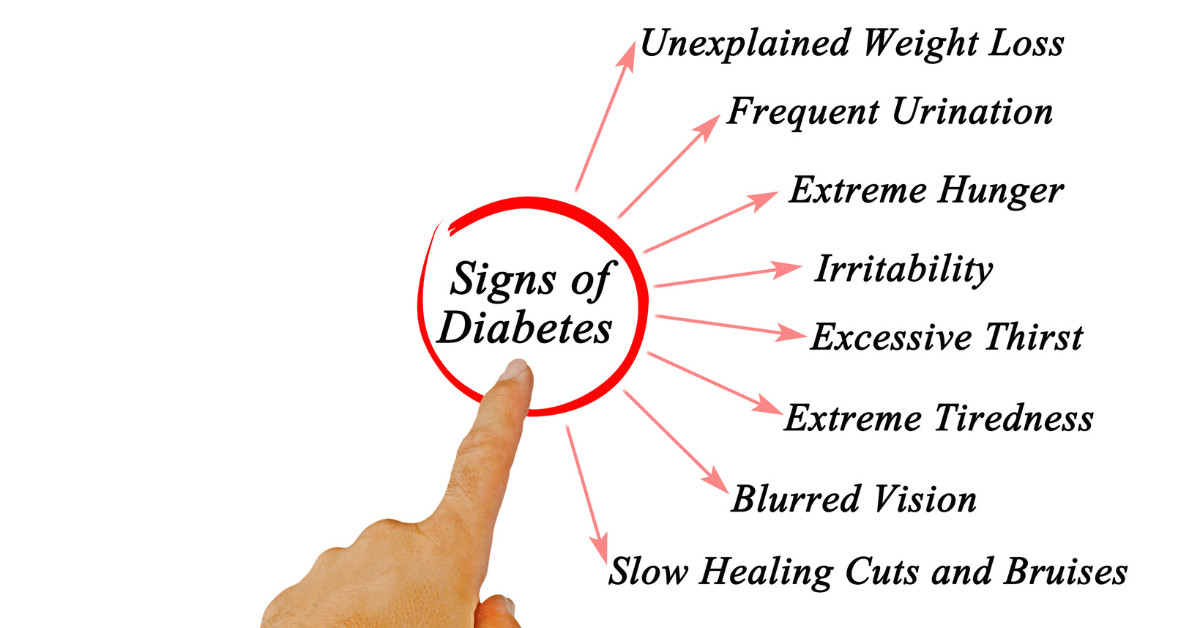
Hidden Signs of Diabetes:
1. Frequent Fatigue
Some people experience unusually high levels of fatigue even after getting a good night's sleep. This occurs because improper energy absorption by cells is impeded by elevated blood sugar.
My grandmother's advice: “Check your sugar, not just your sleep, if your body feels heavy even after rest.”
2. Blurred Vision
Your eyes' lens may swell or contract as a result of fluctuating blood sugar levels. A lot of people think they need new glasses because of this.
Note from real life: During tests, my cousin noticed that his vision was getting blurry. His diabetes was discovered early thanks to a sugar test recommended by an eye specialist.
3. Increased Thirst & Dry Mouth
You may feel a sticky mouth and crave water all the time.
Cultural remedy: For natural hydration, people in many Indian homes drink tender coconut water. It is refreshing, but keep in mind that because it contains natural sugars, you should limit it if you have diabetes.
4. Slow-Healing Wounds
It takes weeks for minor cuts or scratches to heal.
Advice: Always have haldi, or turmeric powder, on hand. Although expert medical care is still crucial, my mother uses turmeric paste on minor wounds because it is antiseptic and promotes quicker healing.
5. Itchy Skin or Frequent Infections
Chronic itching, particularly in the lower body, may be an indication of fungal infections or poor circulation.
Home-tested tip: In my village, a traditional treatment for skin discomfort is to boil neem leaves in water and use the resulting bath.
6. Tingling or Numbness in Hands & Feet
A tingling sensation in your fingers or toes is frequently the first sign of early nerve damage, or neuropathy.
Daily routine: At night, a lot of the elderly in my family soak their feet in warm water with a dash of salt. It relieves numbness and increases circulation.
7. Frequent Urination, Especially at Night
Water is drawn from tissues by high blood sugar, which causes frequent urination.
Observation: Get tested if you wake up three or four times during the night to use the restroom. It's not “just age.”
8. Unexplained Weight Loss
Unwillingly losing weight? It's possible that your body is using fat and muscle as fuel.
Personal observation: Despite eating a healthy diet, my neighbor, a schoolteacher, lost almost 6 kg in just two months. Diabetes was confirmed by a blood test.
9. Constant Hunger
You might feel empty even after eating. This occurs as a result of improper glucose entry into your cells.
Advice: To prevent blood sugar spikes, my family incorporates fiber-rich foods like millet rotis, leafy greens, and sprouts into meals.
10. Mood Changes or Brain Fog
Unbalanced blood sugar levels can lead to irritability or trouble concentrating.
Practice: Mind-calming and energy-stabilizing simple breathing techniques like Nadi Shodhana (alternate nostril breathing) can help.
When Is the Right Time to Get Tested?
- if any of these symptoms persist for longer than two weeks.
- Include blood sugar testing in your yearly health regimen if you are over 30.
- If you have a family history of diabetes, test more frequently.
Recall that you can get clarity in a matter of minutes with a straightforward fasting blood sugar test or HbA1c.
Cultural Wisdom & Daily Prevention
Drink methi (fenugreek) water to start your day. In the morning, drink the seeds that have been soaked overnight. In many Indian homes, this is a long-standing custom.
Walk after meals: Even in his seventies, my grandfather's blood sugar remained steady, and he never skipped his post-dinner stroll.
Cook with spices: Cloves, turmeric, and cinnamon add flavor to food while also naturally lowering blood sugar levels.
Respect your sleep cycle: Early bedtime was always a key component of Ayurveda. Insulin resistance is directly impacted by sleep deprivation.
Concluding remarks
Simple lifestyle changes can help you manage diabetes if you are diagnosed early. Your body is using these subtle cues, such as persistent thirst, itching, or exhaustion, to ask for assistance.
“Don't ignore small signs; they save you from big troubles,” my grandmother used to say.
For optimal effects, stay vigilant, maintain an active lifestyle, and combine contemporary medical treatment with traditional knowledge.
Related Readings You May Find Helpful:
Diabetes Control without Medicine: Real Food and Lifestyle Tips
Unlocking the Secrets of Cholesterol: Symptoms, Foods to Avoid & How to Stay in Control
Natural Insulin Foods: A Complete Guide to Balancing Blood Sugar Naturally
Disclaimer:
The information on Kitchen Made Health is provided for educational and informational purposes only and is not intended as medical advice.
Always consult with a qualified healthcare professional before making any changes to your diet, supplements, exercise routine, or lifestyle — especially if you have an existing medical condition, take prescription medications, or are pregnant or breastfeeding.
The content shared here reflects general wellness knowledge and should not be used to diagnose, treat, or cure any disease.
Results may vary from person to person. If you experience any unusual symptoms or health concerns, please seek immediate medical attention.


