
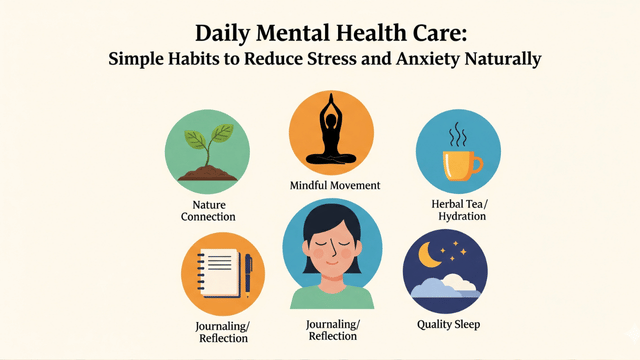
While the world is moving faster than ever, many of us have not been able to keep our calm. People deal with stress, anxiety, and emotional exhaustion every day now that the pandemic is over. People often put off taking care of their mental health until things get too much to handle. But the truth is that your mind needs daily care just like your body.
Making calm a regular part of your life doesn't require hours of meditation or expensive therapy. All you need are some simple, mindful choices that will help you get stronger over time. This article will talk about why mental health needs daily attention, what you can do every day to improve it, and how food, lifestyle, and practices backed by science can help restore balance.
Why you should think about mental health every day
Problems with mental health often show up slowly. You might not even notice the signs until you're too stressed to handle anything else.
- Burnout after a pandemic is real. Many of us were emotionally drained by broken routines, being alone, and not knowing what would happen next.
- Anxiety isn't always easy to spot; it can show up as irritability, thinking too much, not being able to concentrate, or even feeling tired for no reason.
- Modern life rarely pauses – constant multitasking, digital overload, and social pressure create mental fatigue.
Key Takeaway: Daily routines build mental resilience, just as regular exercise builds physical fitness.
Realistic Strategies to Lower Stress and Anxiety
Stress management is about small, regular habits rather than major life changes.
1. Maintain a Basic Routine
- Stability is produced by a regular morning routine that includes breakfast, light exercise, and hydration.
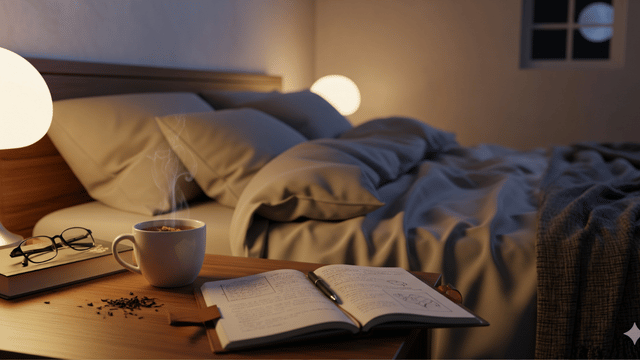
- Reading, journaling, and listening to relaxing music at night help your mind get ready for sleep.
2. Take Daily Steps
- Cortisol and other stress hormones are reduced by exercise.
- Daily stretching, yoga, or even 20 minutes of walking can improve mood.
Tip: To make movement sustainable, combine it with your favorite music or podcasts.
3. Take a break from technology.
- Don't scroll through social media and news too much.
- Establish “no-phone zones,” such as the dining room or bedroom.
- For a more thorough reset, try digital detox weekends.
4. Engage in breathing exercises or mindfulness
- Five minutes of deep breathing can help you relax and lower your heart rate.
- Writing in a journal allows pent-up ideas to come out.
- Apps that provide guided sessions include Calm and Headspace.
5. Don't Hold It Inside
- Speaking with a therapist or close friend eases emotional strain.
- Online or offline support groups offer a common strength and a perspective.
- Lifestyle & Nutrition Practices That Promote Mental Wellness.
- What you eat, drink, and how you sleep all have a big impact on your brain.
Eat Well to Improve Your Mood
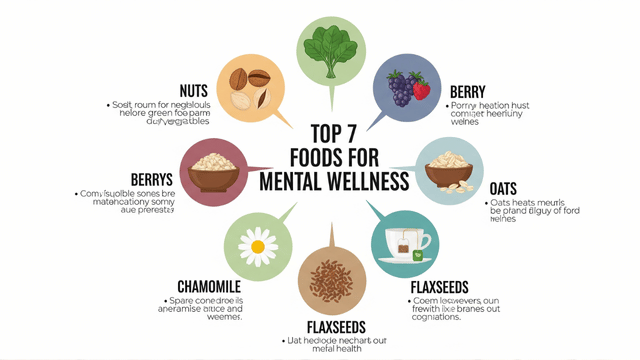
- Nuts, seeds, berries, leafy greens, and oats all aid in balancing brain chemistry.
- Foods high in omega-3, such as walnuts and flaxseeds, promote brain health.
Put Sleep First
- Try to get between 7 and 9 hours of good sleep.
- One hour before bed, stay away from screens.
- Try soothing teas like lavender or chamomile.
Drink plenty of water.
- Stress and exhaustion can be exacerbated by even mild dehydration.
- Carry a bottle of water with you and flavor it with mint or lemon.
Restrict Your Use of Stimulants
- Anxiety is increased by consuming too much caffeine or energy drinks.
- Warm lemon water, herbal infusions, or green tea can be used in its place.
Limit the Use of Stimulants
- Excessive caffeine or energy drink consumption increases anxiety.
- It can be substituted with green tea, herbal infusions, or warm lemon water.
Commonly Asked Questions (FAQs)
1. What is the quickest natural method for reducing anxiety?
Your mind can be calmed in a matter of minutes by deep breathing or grounding exercises, such as focusing on your senses: five things you see, four touch, three hear, two smell, and one taste.
2. What foods exacerbate anxiety and stress?
Alcohol, processed snacks, too much sugar, and too much caffeine can exacerbate anxiety and mood swings.
3. Is yoga more beneficial to mental health than meditation?
While meditation enhances focus and awareness, yoga blends movement with mindfulness. Select the option that seems sustainable.
4. How do I know if my stress is turning into an anxiety disorder?
See a professional if anxiety disrupts your day-to-day activities (job, relationships, sleep), or if it results in physical symptoms like tightness in your chest or panic attacks.
5. Can herbal remedies take the place of medicine or therapy?
Although they can help with mild stress, herbs like chamomile or ashwagandha cannot take the place of medical care. Always consult your doctor before starting supplements.
Conclusion: Choosing to Be Calm Is a Daily Decision
Maintaining mental health requires a daily lifestyle, not a quick fix. Over time, you can develop emotional resilience by integrating small stress-reduction techniques, supportive nutrition, and mindful routines.
Choose one new relaxing habit to start with today. Whether it’s journaling, walking, or drinking more water—consistency is what makes the difference.
Additionally, keep in mind to consult a licensed mental health professional if stress or anxiety begins to interfere with relationships, work, or sleep.
📌 Suggested Reading (Internal Links)
Is Sugar Really the “New Tobacco”?
7 Ayurvedic Remedies for Premature Grey Hair: Natural Solutions That Work
The Unsung Heroes of the Kitchen: Harnessing the Power of Prebiotic Cooking
Bio of the Author
Azad is the creator of Kitchen Made Health, a website devoted to home cures, natural wellness, and healthy living. He is committed to helping readers live better lives by fusing conventional wisdom with cutting-edge nutrition science.
Disclaimer:
The information on Kitchen Made Health is provided for educational and informational purposes only and is not intended as medical advice.
Always consult with a qualified healthcare professional before making any changes to your diet, supplements, exercise routine, or lifestyle — especially if you have an existing medical condition, take prescription medications, or are pregnant or breastfeeding.
The content shared here reflects general wellness knowledge and should not be used to diagnose, treat, or cure any disease.
Results may vary from person to person. If you experience any unusual symptoms or health concerns, please seek immediate medical attention.


