
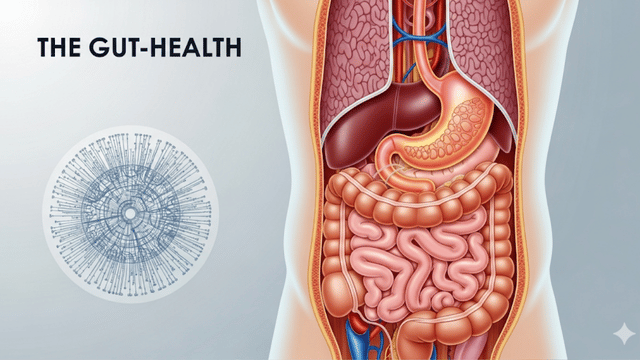
After eating, have you ever felt lethargic, bloated, or uneasy and questioned whether there was something more serious going on inside your body? You're not by yourself. Millions of people are realizing how vital gut health is for overall wellbeing, mood, and energy, not just for digestion. Many refer to this growing awareness as the “Gut-Health Revolution,” a change in lifestyle that is altering our eating, thinking, and living habits.
What Is Gut Health?
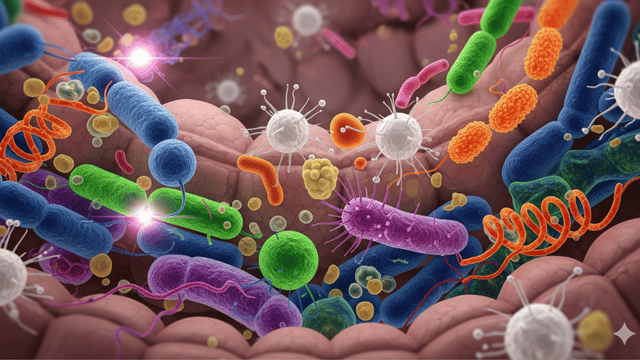
The balance and functionality of the gastrointestinal (GI) tract, particularly the gut microbiome—the community of trillions of bacteria, fungi, and other microorganisms that reside inside your intestines—are referred to as gut health.
These microbes:
- Aid in food digestion and nutrient absorption
- Encourage the immune system
- Generate vitamins such as K2 and B12.
- Use the gut-brain connection to affect mood and brain function.
When your gut is balanced, you’re more likely to enjoy smooth digestion, stable energy, and fewer inflammatory symptoms. But when it’s out of balance—what experts call dysbiosis—you may experience bloating, fatigue, or even skin issues.
The Reasons Behind the Growing Interest in Gut Health
Previously not a popular wellness topic, gut health is now discussed everywhere, from Instagram reels to medical journals.
Important causes of the increase in awareness of gut health:
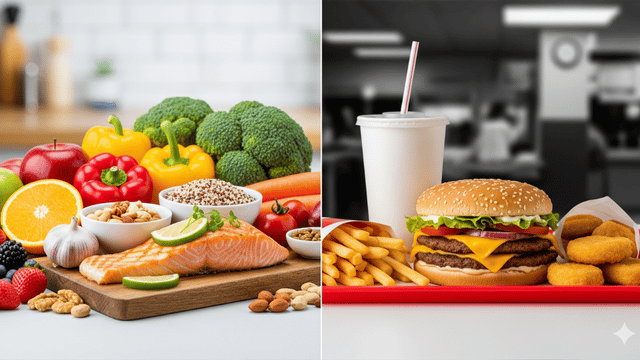
- Modern diets: The gut microbiota is disrupted by processed foods, sugar, and artificial additives.
- Stress & Lifestyle: Poor sleep and high levels of stress impair immunity and digestion.
- Scientific Evidence: Research shows that immunity, mental health, and the prevention of chronic diseases are all correlated with gut health.
- Personal Experience: After making gut-friendly adjustments, people report feeling less bloated and having more energy.
Typical Digestive Issues
Among the most prevalent digestive health issues are:
- Bloating: Uncomfortable fullness and gas following meals
- Constipation: Hard, sporadic stools
- Diarrhea: Unbalanced or infected stools
- Acid reflux: is heartburn brought on by stomach acid.
- Food Sensitivities: Responses to triggers such as dairy or gluten
The secret to naturally enhancing digestion is to identify these symptoms early.
Steps to a Healthy Gut: From Bloat to Bliss
1. Consume More Whole Foods High in Fiber
Fiber feeds your gut's beneficial bacteria. Among the top gut-healthy foods are:
- Fruits: berries, bananas, and apples
- Broccoli, carrots, and leafy greens are vegetables.
- Whole grains: brown rice, quinoa, and oats
- Legumes: chickpeas, lentils, and beans
2. Include Fermented Foods Rich in Probiotics
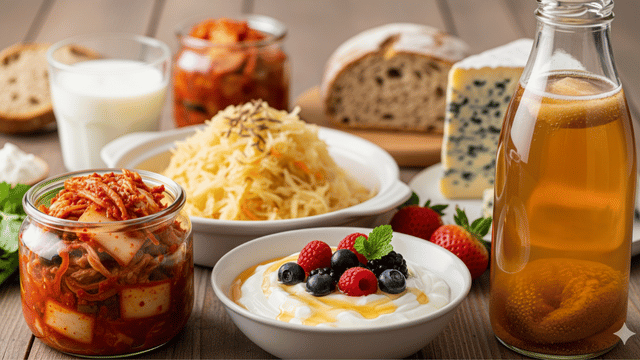
Probiotics for digestion are found naturally in fermented foods and aid in reestablishing the gut microbiome's equilibrium. Excellent choices consist of:
- Live culture yogurt
- Sauerkraut and Kefir
- Miso Kimchi Kombucha
3. Drink plenty of water
Water eases constipation and keeps your digestive tract moving. Try to consume 8–10 glasses every day.

4. Control Stress for a Positive Gut-Brain Relationship
Due to the direct connection between the gut and the brain, stress can lead to digestive problems. To bring things back into balance:
- Try meditation or deep breathing.
- Engage in tai chi or yoga.
- Take a nature walk or do some light exercise.
5. Cut Back on Processed Foods and Sugar
Excessive sugar exacerbates bloating and gut imbalance by feeding dangerous bacteria. Simple changes, such as switching from soda to sparkling water, have a significant impact.
6. Make Sensible Use of Prebiotics and Probiotics
- Probiotics: Foods or supplements containing live bacteria that naturally enhance digestion.
- Prebiotics: Probiotics are fed by the plant fibers found in bananas, asparagus, garlic, and onions.
(Note: Prior to beginning supplements, always get medical advice.)
7. Make Sleep a Priority
Sleep deprivation lowers microbial diversity, according to research. Sleeping 7 to 9 hours a night helps with immunity and digestion.
The Gut-Brain Link: How Mood Is Shaped by Digestion
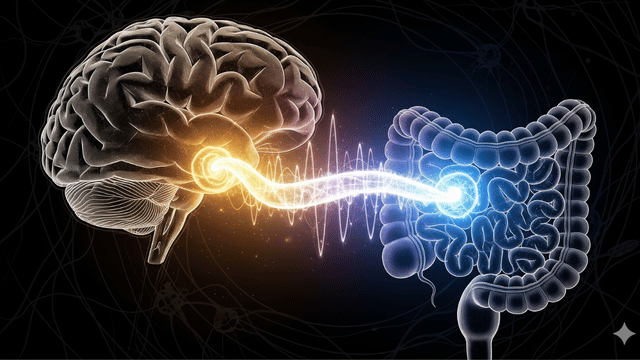
The vagus nerve serves as a continuous conduit between the gut and the brain. In actuality, the gut produces almost 90% of serotonin, the “feel-good” hormone. When gut health is flourishing, you might observe:
- Improved stability of mood
- Decreased anxiety
- Enhanced concentration and output
Example from Real Life: Sarah's Story
Sarah was a 34-year-old teacher who experienced low energy and daily bloating. She added kefir to her routine, started eating a breakfast high in fiber, and replaced her soda with water. She experienced better digestion, less bloating, and more consistent energy in a matter of weeks.

Her experience serves as an example of how easy, regular adjustments can naturally enhance digestion.
Common Questions Regarding Gut Health
Q1: How long does it take for gut-friendly changes to start showing results?
Significant improvements in the microbiome may take weeks, but some people experience less bloating in a matter of days.
Q2: Can skin health be impacted by gut health issues?
Indeed. Gut imbalances have occasionally been connected to conditions like eczema and acne.
Q3: If I consume probiotic foods, do I still need supplements?
Not all the time. Consuming fermented foods on a regular basis might supply adequate probiotics for digestion.
Q4: What foods should I stay away from to maintain gut health?
Steer clear of processed foods, sugary beverages, too much alcohol, and fried foods.
Q5: Can gut-friendly foods help kids too?
Yes, children can safely eat fruits, vegetables, and yogurt that contains live cultures.
Q6: Is sporadic bloating an issue?
No, bloating on occasion is normal. However, chronic bloating could be an indication of an imbalance.
Concluding remarks
The Gut-Health Revolution is a movement to improve one's lifestyle from the inside out, not just a passing trend. You can lessen bloating, maintain a healthy gut microbiome, and feel more energized and vital by eating foods high in fiber, taking probiotics, drinking plenty of water, controlling your stress, and making rest a priority.
Small, thoughtful adjustments are the first step on the path from bloat to bliss, and your stomach will appreciate it.
Suggested Related Posts
Harnessing Nature’s Defenses: Powerful Foods That Naturally Combat Infections
How to Improve Liver Health Naturally: Detox Tips That Work
Nourishing Your Weight Loss Journey: Natural Ways to Boost Progress and Why It Matters
Disclaimer:
The information on Kitchen Made Health is provided for educational and informational purposes only and is not intended as medical advice.
Always consult with a qualified healthcare professional before making any changes to your diet, supplements, exercise routine, or lifestyle—especially if you have an existing medical condition, take prescription medications, or are pregnant or breastfeeding.
The content shared here reflects general wellness knowledge and should not be used to diagnose, treat, or cure any disease.
Results may vary from person to person. If you experience any unusual symptoms or health concerns, please seek immediate medical attention.


