
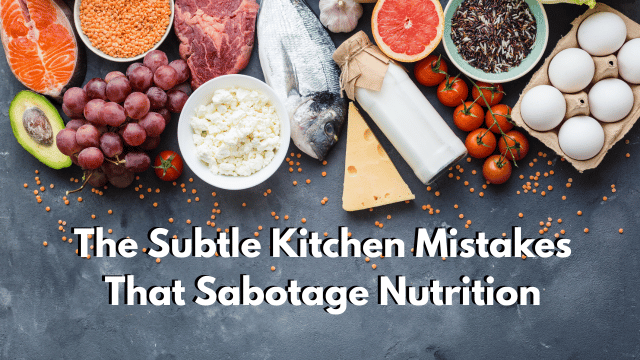
Have you ever questioned why you don't always feel as nourished or energized after eating “healthy meals” as you would like?
Sometimes the way we cook is more of an issue than the food we prepare.
Small, invisible kitchen habits can deplete the nutritional value of your food on a daily basis. The good news? You can preserve more vitamins, minerals, and flavor without going over budget by making a few thoughtful adjustments.
Here's how to make your meals actually benefit your health and how to correct the most frequent kitchen errors that subtly undermine nutrition.
1. Cutting Vegetables Too Soon
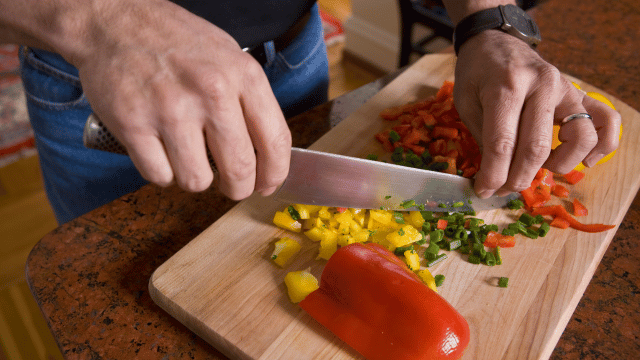
The Issue: You may be unknowingly losing valuable nutrients when you chop vegetables hours before cooking. Oxidation, which is brought on by exposure to air and light, can destroy antioxidants, vitamin C, and folate.
For example, chopping bell peppers or tomatoes in the morning and using them for dinner can result in a 25–30% loss of vitamin C before the pan has even heated up.
The Kitchen Fix: To retain the most nutrients and freshness, chop vegetables just before cooking or serving.
Prepared vegetables should be kept in the refrigerator in airtight containers if meal preparation is a part of your routine (which it should be!). To lessen oxygen exposure, you can even use reusable silicone food wraps or a damp paper towel to cover them.
Real-world advice: Are cut fruits, such as avocados or apples, turning brown? To naturally slow oxidation, add a few drops of lemon juice.
2. Vegetables Overcooked (Boiling vs. Steaming)
The Issue: Although boiling vegetables may seem like a healthy option, it's actually one of the simplest ways to lose nutrients. Long-term exposure to high heat causes water-soluble vitamins, such as vitamin C and vitamin B complex, to seep into the cooking water.
Example: Boiled spinach loses almost 50% of its folate content, while lightly steamed spinach retains most of it.
The Kitchen Fix:
- Instead of boiling, try steaming or sautéing.
- If boiling is necessary, use the mineral-rich cooking water again in gravies, dals, or soups.
- For optimal nutrient retention, cook vegetables in stir-fries over medium heat until they are just crisp, or “tender-crisp.”
Real-world example: Toss broccoli with sesame seeds, olive oil, and garlic after steaming it for just three to four minutes. It's tasty and full of nutrients!
3. Secret Salt for Enhancing Flavor
The issue is that although salt is a necessary mineral, most kitchens use excessive amounts of it. High sodium content is frequently concealed in packaged sauces, bouillon cubes, and spice blends, which over time may subtly impact your heart health and blood pressure.
The Kitchen Fix:
Use natural flavoring instead of artificial ones.
Try:
- Fresh herbs (parsley, coriander, mint, and basil)
- Juices from citrus fruits (lemon or lime to enhance flavors)
- Warming spices like ginger, cumin, and turmeric
- Balsamic or apple cider vinegars for tangy depth
These add anti-inflammatory and antioxidant compounds in addition to improving taste.
Real-world example: Toss roasted vegetables in lemon juice, olive oil, and rosemary instead of adding extra salt; your tongue won't miss the sodium.
4. Fresh herbs (parsley, coriander, mint, and basil)
Juices from citrus fruits (lemon or lime to enhance flavors) Warming spices like ginger, cumin, and turmeric Balsamic or apple cider vinegars for tangy depth
These add anti-inflammatory and antioxidant compounds in addition to improving taste.
Real-world example: Toss roasted vegetables in lemon juice, olive oil, and rosemary instead of adding extra salt; your tongue won't miss the sodium.
The Kitchen Fix:
Use the right oil for the way you cook:
- High heat (frying, searing): peanut oil, rice bran oil, and avocado oil
- Coconut oil and ghee over medium heat (stir-frying)
- Dressing or low heat: flaxseed oil, extra virgin olive oil
Real-world example: For a delicious and temperature-smart breakfast, use ghee, and for your evening salad, use olive oil drizzle.
5. Removing the Goodness
The Issue: Your food may be losing nutrients and fiber due to that peeler! Antioxidants, polyphenols, and dietary fiber found in the skins of fruits and vegetables such as carrots, potatoes, apples, and cucumbers are essential for gut health and blood sugar stability.
The Kitchen Fix:
- Cook with the skin on whenever you can.
- Thoroughly wash the produce under running water.
- For root vegetables, use a vegetable brush.
If at all possible, purchase organic to prevent pesticide residue.
As an actual example, roast sweet potatoes with the skin on so that you can keep the extra fiber and magnesium while they get beautifully crisp.
6. Improper Food Storage
The issue is that improper storage causes nutrients to be lost from even the freshest produce. Vitamin C and A are among the vitamins that can be degraded by changes in oxygen, moisture, and temperature. Cut fruits, for instance, lose half of their vitamin C in a day if they are kept uncovered in the refrigerator.
The Fix for the Kitchen:
- To absorb extra moisture, store greens on a dry paper towel.
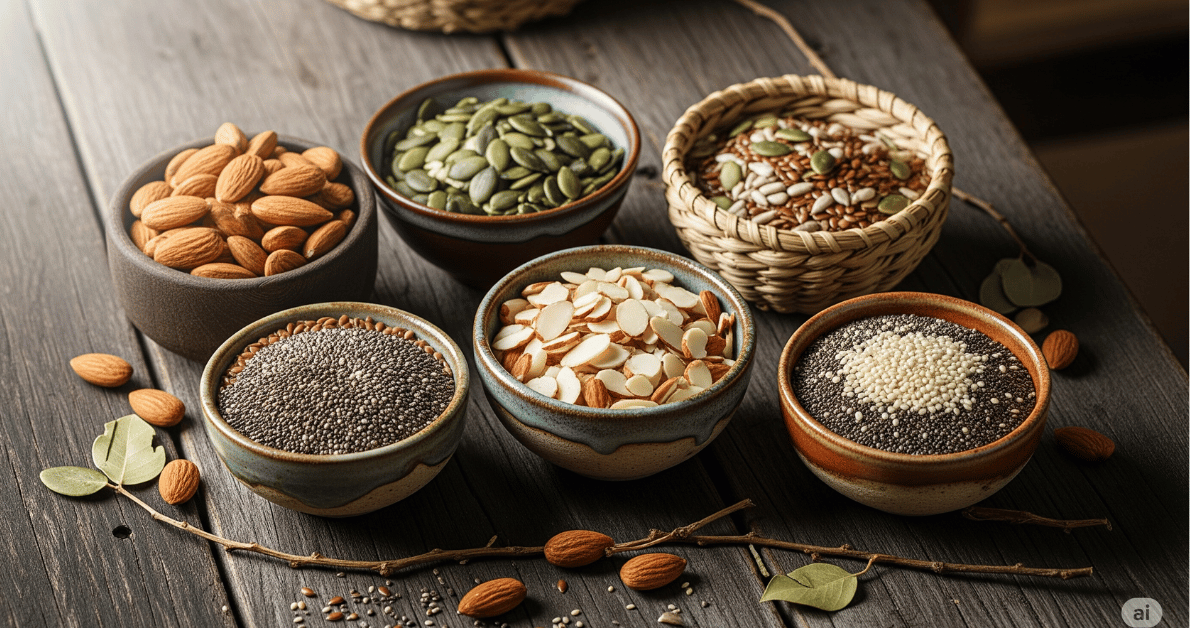
- Nuts and seeds contain oils that can turn rancid, so store them in the refrigerator rather than the pantry.
- To minimize chemical leaching and maintain freshness, use glass containers rather than plastic ones.
For instance, spinach will stay fresh twice as long if you move it from plastic packaging to a glass box or breathable cotton bag.
7. Improperly Reheating Food
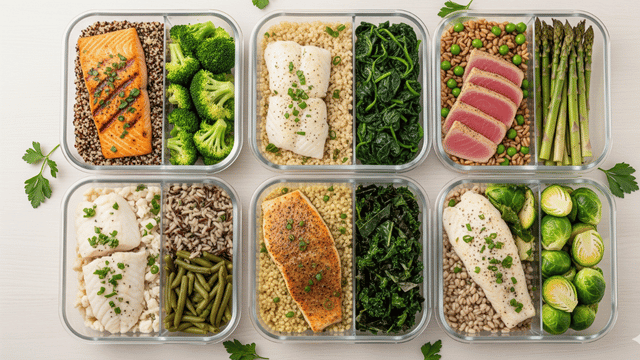
The Issue: Reheating or microwaving food repeatedly can change its texture and degrade its nutrients. It is particularly detrimental to water-soluble vitamins and delicate proteins.
The Fix for the Kitchen:
- Only reheat once.
- To preserve moisture, add a little water before microwaving.
- Instead of using a high microwave setting, reheat soups and curries slowly on the stove.
Real-world example: If you've prepared dal for the following day, keep it in portions and only reheat what you'll eat; the remainder will remain nutrient-safe.
Conclusion: Minor Adjustments, Significant Nutritional Gains
Smarter cooking practices are all you need to eat better, not expensive supplements or devices.
When you cook mindfully, you preserve the vitamins, minerals, and natural energy that your body requires on a daily basis.
Keep in mind that the healthiest kitchen is nutrient-smart, not just clean.
FAQs: Nutritional Errors in the Kitchen
Q1: Does chopping vegetables make them less nutritious?
Indeed. Cutting causes oxidation and nutrient loss by exposing inner cells to air. Cut them right before eating or store them in an airtight container to avoid this.
Q2: Which oil is the healthiest to use on a daily basis?
Olive oil is excellent for salads and light sautéing, but ghee or rice bran oil are better for high heat in Indian cooking.
Q3: Is boiling vegetables for soup acceptable?
Of course! The cooking water is full of dissolved nutrients, so don't throw it away. Use it in gravies or as a base for soups.
Q4: How can I cut back on salt without sacrificing flavor?
Add the spices, lemon juice, and herbs.
Q5: Can nutrients be lost when food is reheated?
Yes, particularly when reheated repeatedly or at extremely high temperatures. Store properly and only heat once.
Bio of the Author
Azad is the creator of Kitchen Made Health, a website devoted to home cures, natural wellness, and healthy living. He is committed to helping readers live better lives by fusing conventional wisdom with cutting-edge nutrition science.
Disclaimer:
The information on Kitchen Made Health is provided for educational and informational purposes only and is not intended as medical advice.
Always consult with a qualified healthcare professional before making any changes to your diet, supplements, exercise routine, or lifestyle — especially if you have an existing medical condition, take prescription medications, or are pregnant or breastfeeding.
The content shared here reflects general wellness knowledge and should not be used to diagnose, treat, or cure any disease.
Results may vary from person to person. If you experience any unusual symptoms or health concerns, please seek immediate medical attention.


