
Welcome to Kitchen Made Health!
Our ancestors used clay and metal cookware for generations, not for luxuries but for health reasons. Every decision, from earthen pots to golden plates, had a purpose. In addition to being useful, these traditional cookware items had profound therapeutic and nutritional value.
What our elders always knew—that the type of cookware you use can affect the taste of your food, its nutritional value, and even your long-term health—is finally being confirmed by science today.
Let's look at the advantages, disadvantages, and how to pick the best utensils for your modern kitchen and health when using gold, silver, copper, brass, bronze, iron, clay, and aluminum.
1. Eating on a Gold Plate: A Sign of Immunity and Strength
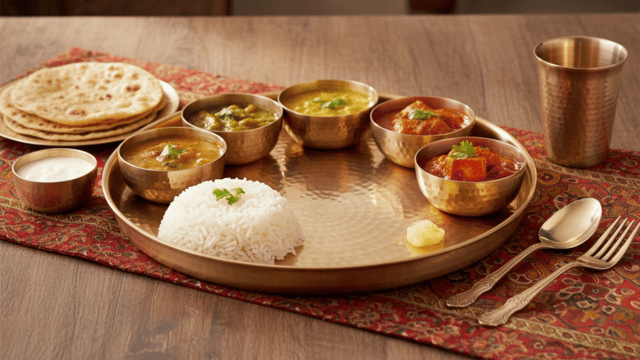
Traditional Belief: Gold plates were originally only used in royal kitchens and Ayurvedic medicine by kings and sages. Gold was thought to improve mental clarity, strength, and immunity.
Current Knowledge: Gold (Au) is totally non-toxic and does not react with food. In the past, trace levels of gold ions were thought to boost immunity and encourage vitality.
Advantages:
- Safe for food and non-reactive
- may boost vitality and immunity.
- adds an antimicrobial, auspicious quality
Cons:
- Expensive for everyday use
- Limited usefulness outside of symbolism
Advice: Occasionally, for ceremonial or celebratory meals, gold-plated or pure gold utensils can be used.
2. Silver Utensils: Antibacterial, Cooling, and Restorative
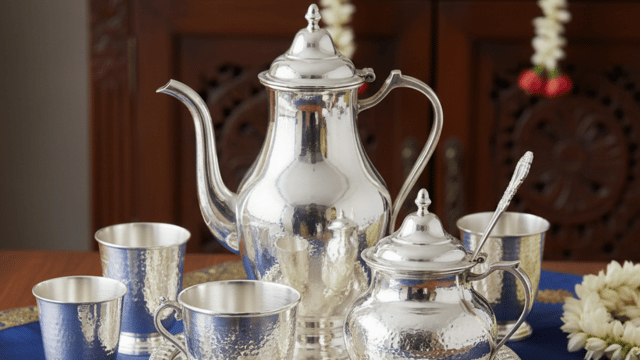
Image Credit: (Generated using Google's Gemini/Imagen AI model.)
Conventional Wisdom: Silver cutlery was thought to be the best for regulating body temperature. Silver's sheeta guna, or cooling qualities, are well-known in Ayurveda.
Scientific Perspective:
Silver has been shown to have antibacterial and antimicrobial properties. It can stop foodborne illnesses and eradicate bacteria.
Benefits
- keeps the body cool and at ease.
- Naturally eliminates dangerous bacteria
- Perfect for kids and the summer
Restrictions:
- Cooking is not recommended because it reacts with heat.
- Too costly for daily meals
Tip: Drink milk or water in silver bowls or glasses; this is especially useful in hot weather.
3. The Ayurvedic Healer: Bronze (Kansa) Utensils
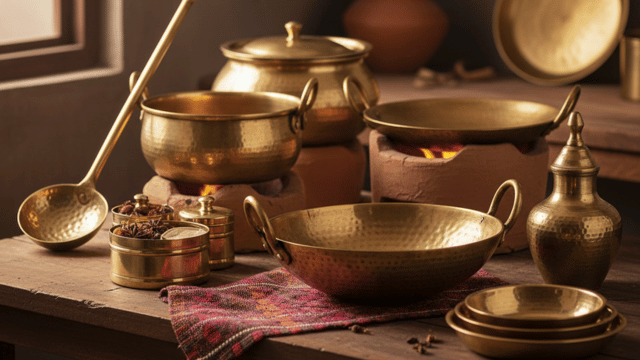
Image Credit: (Generated using Google's Gemini/Imagen AI model.)
Tradition: According to Ayurveda, eating with bronze (kansa) cutlery improves digestion and soothes the mind.
According to science, copper and tin combine to form bronze. It may help digestive enzymes because of its well-known antibacterial and alkalizing qualities.
Benefits
- enhances the absorption of nutrients and digestion
- lowers acidity and promotes intestinal equilibrium.
- adds trace minerals such as tin and copper.
Warnings:
- Steer clear of milk, curd, and acidic foods as they may react.
- To prevent tarnishing, clean right away after use.
Advice: Best used for serving cooked food, not for preparing or storing acidic foods.
4. Brass (Pital) Utensils: Boosting Energy and Immunity
Traditional Belief: Brass was thought to give food more energy and boost immunity and strength.
According to science, brass is a copper and zinc alloy. Both components are necessary for metabolism and immunity. However, brass can react with acidic foods (like tamarind or lemon) and release undesirable compounds.
Benefits
- promotes immunity
- increases metabolism
- thought to balance the three doshas (Pitta, Kapha, and Vata)
Warnings:
- Don't keep curd, milk, or sour foods in storage.
- To avoid oxidation, always thoroughly clean and dry.
Tip: Use to serve neutral or dry foods like dal, rice, or chapati.
5. The Natural Detoxifier: Copper Utensils
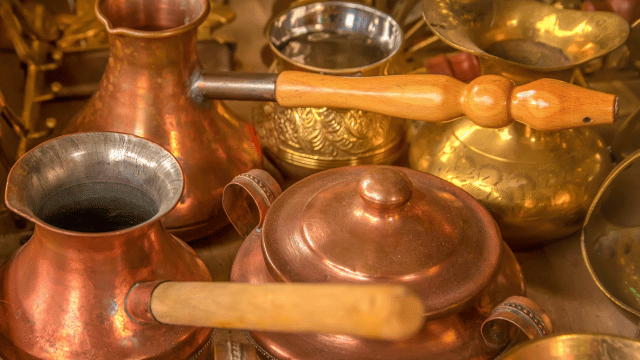
Traditional Belief: Tamra Jal, or overnight storage of water in copper vessels, is a traditional Ayurvedic practice believed to detoxify the body and balance all three doshas.
Scientific Support: Salmonella and E. Coli can be killed by copper's antimicrobial properties. It also affects liver function and the synthesis of red blood cells.
Benefits
- naturally purifies water
- promotes the health of the liver
- increases the production of red blood cells
Warnings:
- Milk and acidic foods should not be stored as they can corrode copper.
- Copper toxicity may result from excessive exposure.
Tip: For mild detoxification, drink water that has been kept overnight in a copper vessel first thing in the morning.
6. Iron Utensils: The Source of Power and Blood
Conventional Belief:
Iron cookware, such as kadai or tawa, was thought to improve strength and stave off fatigue.
Contemporary Science:
Cast iron cooking raises the iron content of food, particularly acidic dishes like dal or tomato curry. It helps prevent anemia, especially in children and women.
Benefits
- increases dietary iron naturally
- promotes the production of blood and energy
- maintains heat for uniform cooking.
Warnings:
- Food should not be kept in storage for extended periods of time as it may rust.
- Avoid overcooking sour foods as this may change their flavor.
Tip: Use an iron skillet for sautéing vegetables or making dosas — adds trace iron naturally.
7. Stainless Steel: The Contemporary Safe Option
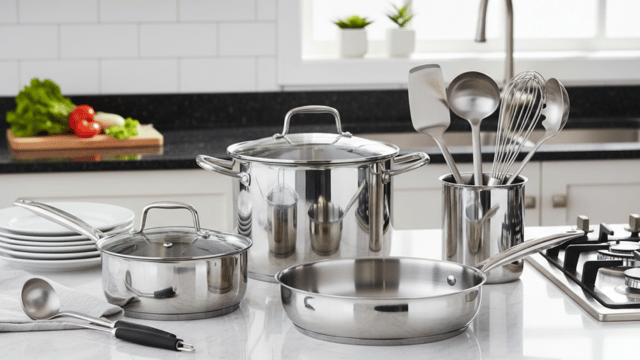
Image Credit: (Generated using Google's Gemini/Imagen AI model.)
Traditional Belief: None; stainless steel is a contemporary material that is used extensively due to its durability and safety.
According to science, it is non-reactive, cleans up easily, and doesn't release toxic substances into food. For everyday cooking, premium stainless steel (grade 304 or 316) is the safest option.
Benefits
- Food-safe and non-reactive
- Durable and simple to maintain
- keeps flavor without changing the nutrients.
Cons:
- Trace mineral benefits are minimal.
- In comparison to cast iron, poor heat retention
Hint: For well-rounded advantages, pair stainless steel pots with iron or clay cookware.
8. Aluminum Utensils — Lightweight but Risky
Traditional Belief: Although aluminum gained popularity due to its low cost and light weight, traditional kitchens never used it.
Scientific Findings: Over time, aluminum may raise the risk of neurological disorders by leaking into food, particularly when cooking acidic foods.
Warnings:
- Steer clear of using aluminum to cook or store food.
- may be detrimental to brain function (associated with an increased risk of Alzheimer's disease).
- Long-term use is not advised.
Advice: Slowly switch out aluminum cutlery for alternatives made of clay, iron, or stainless steel.
9. The Heart of Natural Cooking: Clay (Earthen) Pots
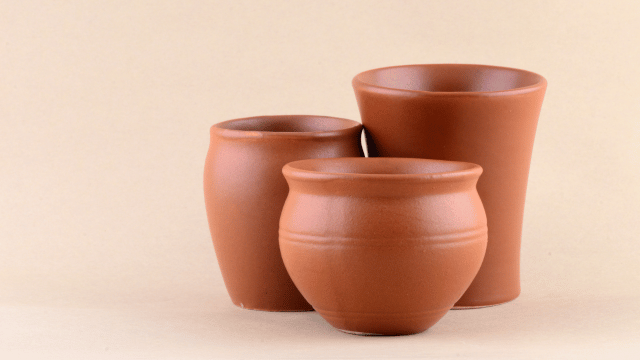
Traditional Belief: Clay pots enhance flavor and cool the body by connecting food with the natural energy of the Earth.
According to science, clay balances the acidity of food because it is alkaline. It preserves nutrients and natural flavors by enabling slow, even cooking.
Benefits
- improves flavor and fragrance
- Slow cooking improves nutrient retention.
- naturally keeps food cool.
Warnings:
- delicate and needs to be handled carefully
- Before using, it must be properly seasoned.
It's ideal for herbal teas, biryanis, and slow-cooked curries. Steer clear of abrupt temperature changes to avoid cracks.
The Science Behind Traditional Cookware Choices
Every metal interacts differently with food based on temperature, pH, and moisture. Here’s a quick look at their scientific roles:
| Metal | Key Property | Health Effect | Best Use |
|---|---|---|---|
| Gold | Non-reactive | Immunity & luxury | Ceremonial meals |
| Silver | Antibacterial | Cooling & healing | Serving cool foods |
| Copper | Antimicrobial | Detox & liver health | Water storage |
| Brass | Mineral-rich | Immunity boost | Serving neutral foods |
| Bronze | Digestive support | Gut balance | Cooked food serving |
| Iron | Heat-retentive | Boosts hemoglobin | Daily cooking |
| Clay | Alkaline | Enhances taste | Slow-cooked dishes |
| Aluminum | Reactive | Potentially harmful | Avoid long-term use |
Commonly Asked Questions (FAQs)
1. Which metal cookware is the healthiest to use on a daily basis?
The best contemporary choices for everyday cooking are cast iron and stainless steel. Traditional slow cooking works very well with clay and bronze.
2. Can I use brass or copper utensils to store food?
No. Acidic or dairy-based foods should never be kept in copper or brass because they can react and create harmful compounds.
3. Can gas stoves safely use clay pots?
Yes, but make sure they're made for use with direct flames and are appropriately seasoned.
4. How can I safely clean metal utensils?
To stop corrosion, use vinegar or mild lemon juice with baking soda rather than strong detergents.
5. Does the type of utensil actually affect how food tastes?
Of course! While stainless steel preserves flavors, iron and clay add earthy richness.
Conclusion: New Science, Old Wisdom
Our ancestors had wisdom instead of laboratory tests or nutritional information. They practiced, observed, and shared what worked. Many of their beliefs are now supported by contemporary science.
Balance, safety, and nourishment are more important considerations when selecting cookware than tradition alone.
Your Home-Made Health Advice: Switch up your cookware:
- Cook in clay or iron.
- Serve in bronze or brass.
- Drink from silver or copper.
- Celebrate with gold.
One meal at a time, that's how you blend tradition and contemporary wellness.
Bio of the Author
Azad is the creator of Kitchen Made Health, a website devoted to home cures, natural wellness, and healthy living. He is committed to helping readers live better lives by fusing conventional wisdom with cutting-edge nutrition science.
Disclaimer:
The information on Kitchen Made Health is provided for educational and informational purposes only and is not intended as medical advice.
Always consult with a qualified healthcare professional before making any changes to your diet, supplements, exercise routine, or lifestyle — especially if you have an existing medical condition, take prescription medications, or are pregnant or breastfeeding.
The content shared here reflects general wellness knowledge and should not be used to diagnose, treat, or cure any disease.
Results may vary from person to person. If you experience any unusual symptoms or health concerns, please seek immediate medical attention.


