
Cholesterol: What to Avoid, How to Stay in Control, and What to Look For
It's great to have you back at Kitchen Made Health!
You've probably heard the word “cholesterol” a lot, but do you really know what it means for your health?
This tiny molecule moves quietly through your blood, doing important things for your body. But when levels get out of whack, it becomes a big risk factor for heart disease, stroke, and other long-term health problems.
This long article will teach you:
What cholesterol is and why your body needs it.
This long article will teach you:
What cholesterol is and why your body needs it
- Symptoms and risks of high cholesterol that you can't see
- Foods you should limit or stay away from to keep your heart healthy
- Useful, science-based advice for lowering cholesterol naturally
- Questions that people often ask about cholesterol and everyday life
Let’s break it down — simply, clearly, and scientifically.
What is cholesterol, and why is it important?
Every cell in your body has cholesterol in it. It is a waxy, fat-like substance. Cholesterol is important for life, even though it has a bad name. It helps your body:
- Make hormones like testosterone and estrogen
- Help with the production of vitamin D,
- which makes bones and the immune system stronger.
- Make bile acids that help digest fats.
Cholesterol isn't bad for you; it's an imbalance that is.
Why Does Your Body Need Cholesterol and What Is It?
Every cell in your body contains cholesterol, a waxy, fat-like material. Your body needs cholesterol to survive, so it's not dangerous in and of itself, despite its negative connotations.
Crucial Functions of Cholesterol:
- aids in the production of hormones such as cortisol, estrogen, and testosterone.
- aids in the production of vitamin D, which is essential for strong bones and a healthy immune system.
- helps produce bile acids, which aid in the digestion of fats in food.
Therefore, the imbalance between “good” and “bad” cholesterol is what causes problems, not cholesterol itself.
Types of Cholesterol You Should Understand

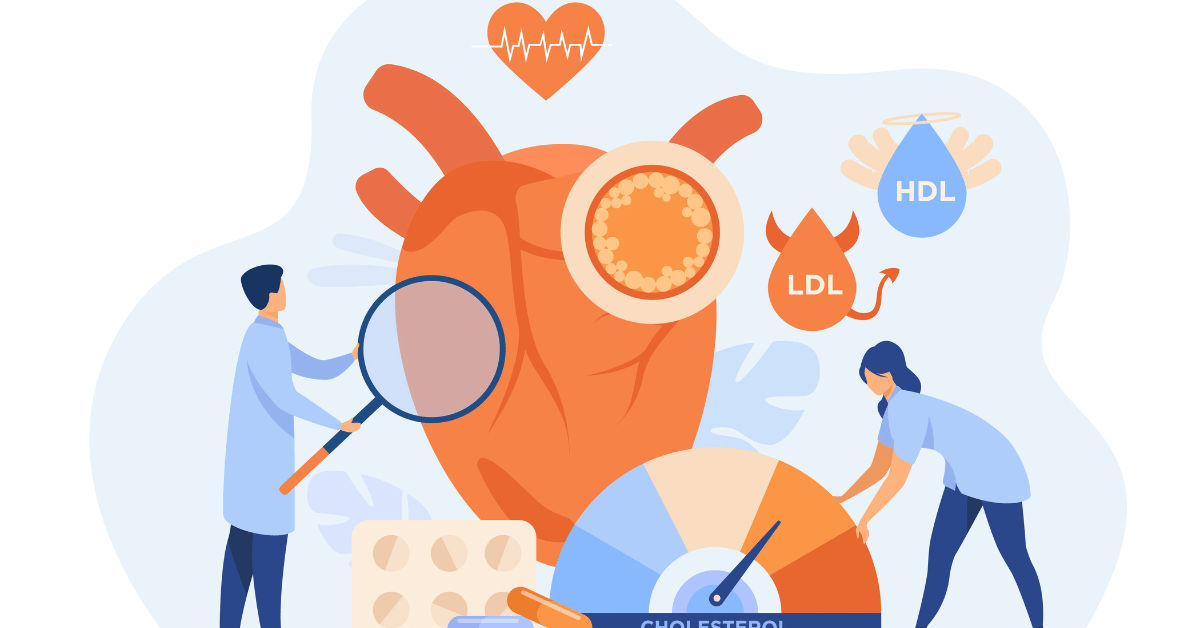
Low-Density Lipoprotein, or LDL, is “bad” cholesterol.
An excess of low-density lipoprotein (LDL) can lead to the accumulation of fatty deposits, or plaques, in your arteries, narrowing them and limiting blood flow, thereby raising your risk of heart disease and stroke.
High-Density Lipoprotein, or HDL, is a “good” cholesterol.
By returning extra cholesterol from your arteries to your liver, where it is broken down and eliminated from your body, HDL aids in cleansing.
Objective: For balanced heart health, maintain high HDL and low LDL levels.
High Cholesterol Symptoms
High cholesterol frequently develops covertly, showing no symptoms until major problems occur. It is referred to as a “silent killer” for this reason.
However, a few signs and ailments could indicate that your levels are excessive:
Typical Warning Indications:
- Angina, or chest pain, is caused by decreased blood flow to the heart's muscles.
- Breathlessness: Blood circulation is hampered by narrowed arteries.
- Yellowish fatty deposits beneath the skin, particularly around the eyes or joints, are called xanthomas.
- Limb numbness or tingling: Caused by inadequate blood flow.
- Dizziness or fatigue: When your heart is having trouble pumping blood effectively.
Importantly, the majority of people with high cholesterol are perfectly healthy. Regular blood tests are therefore crucial, particularly if you have risk factors such as diabetes, obesity, smoking, or a family history of heart disease.
Foods to Limit or Steer Clear of to Improve Cholesterol Management
Your cholesterol levels are directly influenced by the foods you eat. Some foods raise triglycerides and LDL (or “bad”) cholesterol, which puts additional strain on your heart.
Here are some things to replace or reduce:
1. Fried foods
Fried chicken, pakoras, and french fries are all high in trans fats, which are the worst kind of fat for your heart. They decrease HDL and increase LDL.
Healthy substitution: versions that are baked, grilled, or air-fried with olive oil.
2. Meats that have been processed
Saturated fats and sodium found in salami, bacon, sausages, and deli meats can raise blood pressure and cholesterol.
Try grilled chicken, lentils, tofu, or homemade veggie patties as a healthy alternative.
✘ 3. Sweet Treats
Soft drinks, ice cream, cookies, and pastries are double trouble because they contain a lot of sugar and trans fats, which increase bad cholesterol and encourage weight gain.
Healthy alternatives include homemade date bars, fresh fruit, or dark chocolate (at least 70%).
✘ 4. Overuse of Butter, Margarine, and Ghee
Saturated fats are abundant in these. Moderation is key, but a little ghee is fine.
Avocado spread or cold-pressed olive oil are healthy alternatives.
5. Complete-Fat Dairy
LDL cholesterol can be elevated by whole milk, cheese, and cream.
Healthy substitutes include plant-based alternatives like almond or oat milk, Greek yogurt, or low-fat milk.
✘ 6. Organ and Red Meats
Foods high in cholesterol include liver, lamb, and beef.
Healthy substitutes include beans, lentils, fish, and eggs (in moderation).
How to Naturally Manage and Reduce Cholesterol
The good news is that you can control your cholesterol without always taking medicine. Modest lifestyle adjustments over time can have a significant effect.
Here's how:
1. Consume foods that are good for your heart.
Add more:
- Vegetables and fruits: Rich in fiber and antioxidants
- Whole grains that lower LDL include quinoa, brown rice, and oats.
- Nuts and seeds: Omega-3-rich almonds, walnuts, chia, and flaxseed
- Legumes: Peas, lentils, and beans all naturally reduce cholesterol.
💡 Hint: Foods that are high in soluble fiber, such as beans, apples, and oats, help the body eliminate cholesterol by binding it in the intestines.
2. Select Lean Proteins
Red meats can be swapped out for:
- Fish high in heart-healthy omega-3 fatty acids, such as mackerel, salmon, or tuna
- Turkey or chicken without skin
- Plant-based proteins such as chickpeas, tempeh, or tofu
Give this a try: “Kitchen Made Health” style: a tasty and cholesterol-friendly lentil curry with spinach and olive oil!
3. Move!
- Frequent exercise reduces bad cholesterol (LDL) and increases good cholesterol (HDL).
- Try to get in 150 minutes a week of moderate exercise, which is roughly 30 minutes five days a week.
- Try swimming, cycling, yoga, dancing, or even brisk walking!
- Image Suggestion: A person practicing yoga or taking a stroll outside in the sun.
4. Give Up Smoking
Smoking damages your arteries and lowers HDL (the good cholesterol), which exacerbates plaque accumulation.
Quitting can significantly lower your risk of heart attack or stroke and improve heart health in a matter of weeks.
5. Control Your Stress
Prolonged stress raises cortisol levels, which can result in unhealthy eating patterns and elevated cholesterol.
Try:
- Deep breathing or meditation
- Being in nature
- Playing music
Getting 7 to 9 hours of good sleep every night
6. Examine Medical Assistance (If Required)
- Your doctor might recommend statins or other cholesterol-lowering drugs if lifestyle modifications aren't sufficient.
- For best results, combine professional advice with healthy habits rather than self-medicating.
Superfoods That Are Good for Your Heart You Should Include
- Oats: An excellent source of soluble fiber
- Monounsaturated fats are abundant in avocados.
- Garlic: Reduces LDL and total cholesterol
- Rich in catechins that lower LDL oxidation, green tea
- Turmeric: Curcumin promotes heart health and reduces inflammation.
- Omega-3 fatty acids found in fatty fish help to improve circulation and protect arteries.
Commonly Asked Questions (FAQs)
1. Can I sense a high cholesterol level?
No, the majority of people don't experience any symptoms. To find out your levels, a blood test (lipid profile) is required.
2. How frequently should my cholesterol be checked?
Every four to six years, adults over 20 should have their cholesterol checked. Check every 1-2 years if you have a family history of diabetes, obesity, or both.
3. Do eggs have a high cholesterol content?
The key is moderation. Since eggs have minimal saturated fat and dietary cholesterol, most people can safely eat one egg per day.
4. Does coffee have an impact on cholesterol?
Filtered coffee is usually okay, but unfiltered coffee (such as French press or espresso) may slightly increase LDL.
5. How can cholesterol be lowered the quickest?
Begin with your diet:
- Avoid trans fats.
- Include soluble fiber.
- With consistent exercise, results can appear in as little as 4–8 weeks.
Concluding Remarks: Manage Your Cholesterol
Although high cholesterol may not cause pain at the moment, it gradually harms your heart and blood vessels. The good news? It is entirely controllable with straightforward, regular lifestyle decisions.
Begin modestly now:
- Replace fried with baked
- For breakfast, include fruits and oats.
- Take a 30-minute daily walk.
- Maintain regularity in your checkups.
You'll feel stronger, lighter, and more energized, and your heart will appreciate it.
also read this:
Thyroid Problems: Symptoms, Diet Tips, and Lifestyle Remedies for Better Health
Gut Health, Clear Skin & a Calm Mind: The Secret Link You Can’t Ignore
How to Sleep Better Naturally: 7 Proven Tips for Restful Nights
Bio of the Author
Azad is the creator of Kitchen Made Health, a website devoted to home cures, natural wellness, and healthy living. He is committed to helping readers live better lives by fusing conventional wisdom with cutting-edge nutrition science.
Disclaimer:
The information on Kitchen Made Health is provided for educational and informational purposes only and is not intended as medical advice.
Always consult with a qualified healthcare professional before making any changes to your diet, supplements, exercise routine, or lifestyle — especially if you have an existing medical condition, take prescription medications, or are pregnant or breastfeeding.
The content shared here reflects general wellness knowledge and should not be used to diagnose, treat, or cure any disease.
Results may vary from person to person. If you experience any unusual symptoms or health concerns, please seek immediate medical attention.


