
Thanks for coming back to Kitchen Made Health!
We're going to learn a lot about the fascinating field of sleep science today, thanks to the work of Matt Walker, a famous neuroscientist and sleep expert.
His work shows a simple truth: getting enough sleep is not a luxury, it's a must. It changes your mind, body, feelings, and even how long you live. We'll look at the following in this in-depth guide:
- Why getting enough sleep is good for your brain and memory.
- The link between not getting enough sleep and getting older.
- Why getting enough sleep keeps you healthy.
- Matt Walker's best tips for getting better sleep.
- Frequently Asked Questions about sleep and living a healthy life
What sleep does for your brain: memory, learning, and creativity
Sleep is like a “save button” for the brain.
Matt Walker says that sleep is like putting your brain on hold. It helps you remember things, makes you more creative, and clears your mind.
- Before learning: When the brain is rested, neural circuits get ready to take in new information.
- When you sleep, your short-term memories are moved to your long-term memories, which is like backing up your data..

Research Insight: Walker's studies show that students who don't get enough sleep can lose up to 40% of their ability to make new memories. That's almost half of what you could have learned because you didn't get enough sleep!
Imagine studying hard all night for an exam and forgetting everything the next day. It's not that you didn't study, but that your brain never “saved” the information.
When You Don't Get Enough Sleep
Walker's lab has done brain scans that show that not getting enough sleep turns off the hippocampus, which is the brain's memory center.
When you don't get enough rest:
- It's hard for new memories to form.
- Lack of focus and creativity
- Problem-solving skills get worse.
- Long-term memory is worse
This is what Matt Walker said:
“Getting enough sleep every night is the best thing we can do for our brain and body health.”
Sleep every night like you would a vitamin for your brain. It will help you learn faster, think more clearly, and do better.
Sleep, Cognitive Decline, and Aging
We frequently believe that getting little sleep is a natural aspect of growing older. According to Matt Walker's research, sleep disruption may actually hasten aging.
How Age Reduces Sleep Depth
Deep non-REM sleep, which is the stage that restores memory, progressively diminishes as we age.
This deterioration impacts not only sleep but also memory, learning, and thought processes.
According to the Alzheimer's Connection Studies, beta-amyloid, a harmful protein associated with Alzheimer's, builds up in the brain as a result of disturbed deep sleep.
These toxins are eliminated by the brain's glymphatic system, which functions as a cleaning crew while you sleep deeply. This cleaning process breaks down when sleep quality declines.
Emerging Research:
Scientists are experimenting with gentle brainwave stimulation during sleep to enhance deep sleep and memory retention — a promising step in preventing age-related decline.
Your Body and Sleep: Your Daily Health Protector
Sleep is not a passive state; it is a biological necessity. Your body does extensive maintenance during this time.
1. How Immunity Is Enhanced by Sleep
According to research by Matt Walker, getting only 4–5 hours of sleep in a single night can lower your body's natural killer cell activity by 70%, making it harder for you to fight infections.
Example: After being exposed to a virus, people who get less than six hours of sleep are more likely to get a cold than those who get seven or more.
2. Sleep and the Prevention of Illnesses
Insufficient sleep has been linked to increased risks of:
- Stroke and heart disease
- Diabetes type 2
- elevated blood pressure
- Hormonal imbalance and obesity
- Reduced ability to fight off infections
Lack of sleep causes your body to produce more cortisol, a stress hormone, and less insulin sensitivity, both of which increase your risk of developing chronic diseases.

Your Genes and Sleep
Sleep deprivation affects more than just your body and brain; it also affects your DNA.
According to Walker's research, sleep deprivation can change the activity of more than 700 genes, many of which are involved in inflammation, cell repair, and immune response.
This implies that sleep deprivation can accelerate biological aging at the genetic level.
Matt Walker's Tried-and-True Sleep Improvement Advice
Matt Walker demonstrates how to sleep more intelligently in addition to explaining why sleep is important. His top habits supported by science are as follows:
1. Adhere to a Sleep Schedule
Every day, including weekends, go to bed and wake up at the same time.
Your circadian rhythm is reinforced by regular sleep, which your brain loves.
2. Remain Calm
The ideal temperature for sleeping is 18°C (65°F).
Before you go to sleep, your body naturally cools down; a cool room facilitates this process.
Advice: If you're a warm sleeper, use breathable cotton sheets and stay away from bulky comforters.
3. Turn down the lights
Limit digital screens and bright lights an hour before bed.
Your body's natural sleep hormone, melatonin, is delayed by blue light from electronics.
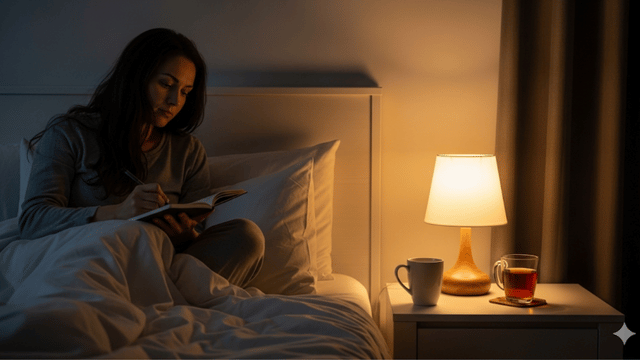
Recommendation: Read or keep a journal instead of scrolling through your phone.
4. Establish a Calm Routine
Your body knows it's time to relax when you follow a bedtime ritual. Try:
- Herbal tea (such as lavender or chamomile)
- Stretching or gentle yoga
- Deep breathing or meditation
5. Steer clear of caffeine After 2:00 PM,
caffeine can remain in your body for up to ten hours. You might still be up at midnight because of that late coffee.
In the evenings, choose warm turmeric milk or decaf tea instead.
6. Only use the bed for sleeping
Do not watch TV or work in bed.
This trains your mind to think of your bedroom as a place for intimacy and relaxation rather than stress.
Sleep and Mental Health: An Unspoken Connection
Mental health and sleep are closely related; one influences the other.
The Reset of Emotions
Your brain processes stress and emotions while you are in REM (dreaming) sleep.
You may become more agitated, nervous, or emotionally reactive if you skip this stage.
The Cycle of Anxiety
Anxiety is exacerbated by inadequate sleep, which increases activity in the brain's fear center, the amygdala.
Millions of people suffer from a vicious cycle in which anxiety itself interferes with sleep.
Before going to bed, write down your thoughts. A straightforward “brain dump” journal can help reduce racing thoughts and clear out mental clutter.

Sleep and Nutrition: Their Relationship
The quality of your sleep is significantly influenced by your diet.
- Foods That Promote Sleep: Tryptophan and magnesium in bananas help relax muscles.
- Rich in melatonin are almonds and walnuts .
- A natural source of complex carbohydrates that aid in the release of serotonin is oats .
- Herbal Teas : Valerian and chamomile soothe the nervous system.
Foods That Keep You Up at Night: Heavy or spicy meals
- Sugary snacks right before bed
- Too much alcohol
- Late-night caffeine
Commonly Asked Questions (FAQs)
1. How many hours of sleep are necessary for adults?
For optimum performance, most adults require 7 to 9 hours of good sleep every night.
2. Can I make up lost sleep on the weekends?
Not totally. Weekend oversleeping won't completely repair the metabolic and cognitive harm brought on by long-term sleep deprivation.
3. Do naps improve or degrade the quality of sleep?
A quick 20–30 minute nap can increase alertness. However, naps that are too long or taken too late can interfere with sleep cycles at night.
4. Is it bad to sleep too much?
Oversleeping (regularly more than 10 hours) can occasionally be an indication of underlying conditions like sleep apnea or depression.
5. Is melatonin actually beneficial?
The best long-term solutions are still lifestyle and environment, but melatonin can help with short-term sleep adjustment (such as jet lag).
Concluding Remarks: Sleep Is Your Superpower
Matt Walker's message is straightforward but profound: Sleep is the best self-care you can give your body.
It improves your immune system, balances your hormones, sharpens your mind, and protects you from illness.
You can change your nights and your days by implementing simple, scientifically supported adjustments like keeping your room cool, minimizing blue light, and developing a relaxing bedtime routine.
Advice: Don't put sleep off; treat it like a daily investment. Your body, mind, and future self will all appreciate it.
Also Read on Kitchen Made Health
Silent Signs of Diabetes You Shouldn’t Ignore: Lessons from Everyday Life
7 Ayurvedic Remedies for Premature Grey Hair: Natural Solutions That Work
The Unsung Heroes of the Kitchen: Harnessing the Power of Prebiotic Cooking
Bio of the Author
Azad is the creator of Kitchen Made Health, a website devoted to home cures, natural wellness, and healthy living. He is committed to helping readers live better lives by fusing conventional wisdom with cutting-edge nutrition science.
Disclaimer:
The information on Kitchen Made Health is provided for educational and informational purposes only and is not intended as medical advice.
Always consult with a qualified healthcare professional before making any changes to your diet, supplements, exercise routine, or lifestyle — especially if you have an existing medical condition, take prescription medications, or are pregnant or breastfeeding.
The content shared here reflects general wellness knowledge and should not be used to diagnose, treat, or cure any disease.
Results may vary from person to person. If you experience any unusual symptoms or health concerns, please seek immediate medical attention.