
Intermittent fasting has become one of the most talked-about wellness practices in the age of quick-fix diets and popular health tips. Millions of people, including fitness instructors, celebrities, and regular people, are experimenting with fasting windows in an effort to improve metabolic health, energy levels, and weight loss.
The crucial query, though, is whether intermittent fasting is safe for all people.
In actuality, when done properly, intermittent fasting (IF) has many advantages. However, it also has risks and adverse effects, particularly when done incorrectly or by individuals with specific medical conditions.
In order to help you decide if intermittent fasting is a good fit for your lifestyle, this article explains what it is, its demonstrated advantages, possible risks, safe practices, and professional advice.
What is intermittent fasting?
In the conventional sense, intermittent fasting, or IF, is not a diet. It emphasizes when to eat rather than what to eat.
This eating pattern alternates between eating and fasting periods. From ancient healing techniques to religious fasting, this method has been used for centuries in many cultures.
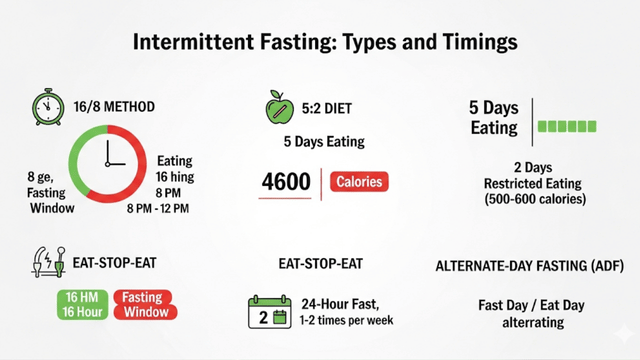
Common Techniques for Intermittent Fasting
The choice between the various IF variations frequently comes down to personal preference, health, and lifestyle:
- 16/8 Method: 8 hours of eating (e.g., 10 AM to 6 PM) and 16 hours of fasting.
- 5:2 Method: Eat normally for 5 days, then limit your intake of calories to 500–600 on 2 days.
- Eat-Stop-Eat: One or two 24-hour fasts every week.
- Alternate-Day Fasting: a biweekly fast, sometimes with calorie restriction.
Benefits of Intermittent Fasting
Intermittent fasting has been shown to improve metabolic health, blood sugar regulation, and weight management. Let's examine the main advantages in more detail:
1. Encourages Weight Loss Naturally
Your body begins burning stored fat for energy when you reduce the amount of time you spend eating. IF is more about timing, which can feel easier for many people than restrictive diets, which frequently feel unsustainable.
Example: Someone following the 16/8 method may naturally reduce their daily calorie intake by skipping late-night snacks, leading to gradual, sustainable fat loss.
2. Enhances Blood Sugar Regulation & Insulin Sensitivity
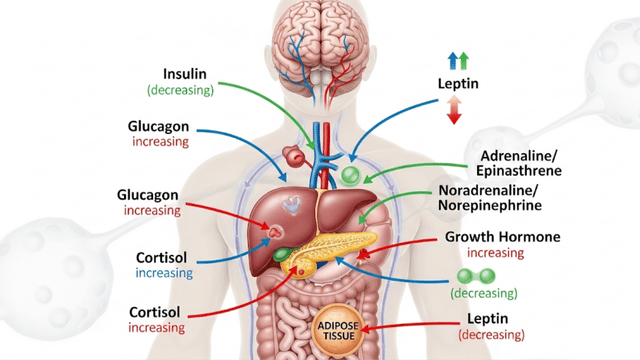
Insulin levels fall during fasting, which improves the body's ability to use glucose. Insulin resistance, a major contributing factor to type 2 diabetes, may be less likely as a result.
Note: Do not try IF without medical supervision if you currently have diabetes or are taking blood sugar medication.
3. Promotes Hormonal Equilibrium
Norepinephrine (noradrenaline), a hormone that increases metabolism and fat breakdown, is released during a fast. Additionally, growth hormone production rises, which may help maintain muscle mass while losing fat.
4. Promotes Autophagy, or Cellular Repair
Autophagy, the body's self-cleaning mechanism whereby aging or damaged cells are broken down and replaced with healthier ones, is arguably one of the most fascinating features of fasting.
Researchers think this could lead to longer lifespans, less inflammation, and improved general health.
5. Could Enhance Cognitive Abilities
Fasting may increase BDNF (Brain-Derived Neurotrophic Factor), a protein associated with memory and learning, according to some research. This may help to explain why many people say that fasting improves their ability to concentrate and think clearly.
The dangers and adverse consequences of intermittent fasting
Although IF has its uses, it is not a “one-size-fits-all” approach. It might do more harm than good to some people.
1. Mental Health Issues
Particularly for novices, prolonged fasting can result in mood swings, anxiety, irritability, or trouble focusing.
2. Hormonal imbalances, particularly in females
Overly strict fasting may cause irregular menstrual cycles or problems with fertility in women. A balanced approach is essential because research shows that women are more sensitive to energy availability.
3. Inadequate Nutrients
You run the risk of missing important vitamins, minerals, and protein if you eat less frequently but don't concentrate on nutrient-rich foods. This can affect immunity, bone health, and long-term energy.
4. Overindulging during mealtimes
Some people binge during mealtimes, which counteracts the advantages of fasting and may result in digestive problems.
How to Safely Engage in Intermittent Fasting
The following recommendations, supported by experts, will assist you in practicing IF without jeopardizing your health:
- Begin Slowly: Before launching into 16/8, try the 12/12 method (12 hours fasting, 12 hours eating).
- Keep Yourself Hydrated: Herbal tea, black coffee, and water can help you avoid feeling exhausted.
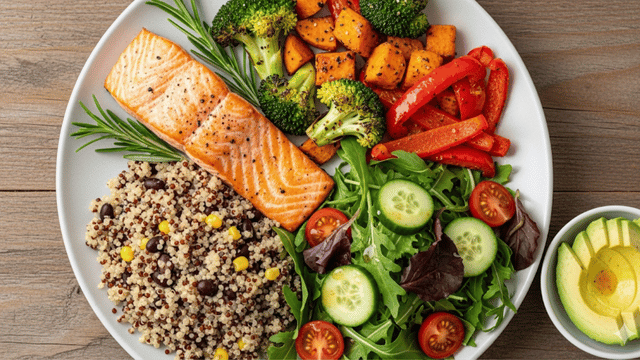
- Consume foods high in nutrients; give vegetables, whole grains, lean meats, nuts, and seeds priority.
- Steer clear of highly processed foods. Sugary snacks and fast food lessen the benefits of IF.
- Pay Attention to Your Body: If you feel lightheaded, too weak, or ill, stop or adjust your fast.
Expert Views: Physicians' Opinions Regarding Intermittent Fasting
Health experts concur that, when used properly, IF can be beneficial. They do stress, though, that a balanced diet cannot be replaced by fasting.
The main conclusion is that intermittent fasting should be tailored to each person's requirements, age, health, and way of life.
For whom is intermittent fasting inappropriate?
IF might not be appropriate for:
- Women who are nursing or pregnant.
- People who have experienced eating disorders in the past.
- Diabetes patients (without medical supervision).
- People with long-term conditions who need to eat regularly.
- Before beginning, always get your doctor's approval.
Intermittent Fasting Frequently Asked Questions
1. Is it okay to have coffee while fasting?
Yes, you can have black coffee without milk or sugar. It might even aid in appetite suppression.
2. How long does intermittent fasting take to start showing results?
Although many people see noticeable changes in as little as two to four weeks, it takes months to achieve long-term fat loss and metabolic gains.
3. Is metabolism slowed down by intermittent fasting?
No, a brief period of fasting actually increases metabolism. Extremely long-term fasting, however, might have the opposite effect.
4. Can teenagers safely engage in intermittent fasting?
In general, no. Adolescents in growth require consistent calorie intake and nutrition.
5. With what foods should I break my fast?
Before moving on to meals high in protein, start with foods that are easy to digest, such as fruit, soup, or a simple salad.

Concluding remarks
One effective lifestyle strategy that can help with blood sugar regulation, hormonal balance, weight loss, and cellular repair is intermittent fasting. But it’s not a miracle cure — and it’s certainly not safe for everyone.
The secret to success is found in:
- Selecting the appropriate fasting technique.
- Consuming foods high in nutrients.
- Maintaining Hydration.
- Paying attention to your body's cues.
Intermittent fasting can be a safe and efficient strategy to enhance general health when used with awareness and under medical supervision.
Related Reads
Is Sugar Really the “New Tobacco”?
Constipation and Bloating Relief Juice: A Natural Way to Feel Light and Energized
Power-Packed Fruits for Immunity and Energy: Fuel Your Day, Starting on an Empty Stomach
Bio of the Author
Azad is the creator of Kitchen Made Health, a website devoted to home cures, natural wellness, and healthy living. He is committed to helping readers live better lives by fusing conventional wisdom with cutting-edge nutrition science.
Disclaimer:
The information on Kitchen Made Health is provided for educational and informational purposes only and is not intended as medical advice.
Always consult with a qualified healthcare professional before making any changes to your diet, supplements, exercise routine, or lifestyle — especially if you have an existing medical condition, take prescription medications, or are pregnant or breastfeeding.
The content shared here reflects general wellness knowledge and should not be used to diagnose, treat, or cure any disease.
Results may vary from person to person. If you experience any unusual symptoms or health concerns, please seek immediate medical attention.