

Overview: The Low-Carb Controversy
Low-carb diets, such as Keto and Atkins, have gained popularity worldwide and are frequently commended for their quick weight loss outcomes. Every year, millions of people seek them out in the hopes of seeing rapid changes.
The key query, though, is whether low-carb diets are long-term safe and viable.
Health professionals are still split. Others caution about risks like heart disease, kidney strain, and nutrient deficiencies, while others emphasize the advantages of weight loss, blood sugar control, and decreased cravings.
To help you determine whether a low-carb diet is the best option for you, this article delves deeply into the science, professional viewpoints, and helpful advice surrounding them.
What Are Low-Carb Diets?
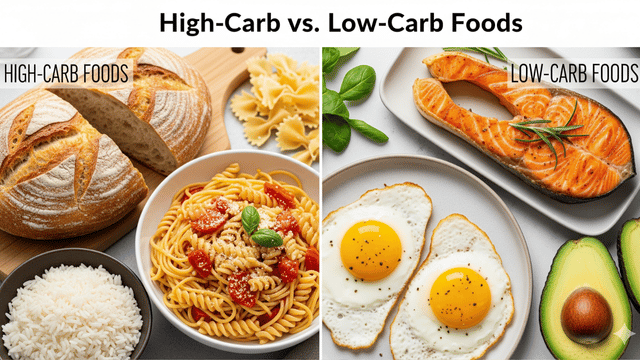
Low-carb diets encourage consuming more protein and fat while limiting the consumption of carbohydrates, which include foods like bread, pasta, rice, and sweets.
Well-liked Low-Carb Plans
- Extremely low in carbohydrates (typically less than 20 to 50 grams per day), the ketogenic diet emphasizes a state in which the body burns fat rather than glucose for energy.
- The Atkins Diet gradually reintroduces carbohydrates after starting with very little of them.
- The Paleo diet emphasizes lean meats, fruits, and vegetables while avoiding processed foods, grains, and dairy.
- Modified Low-Carb: A flexible diet that restricts carbohydrates moderately but not as much as Keto.
Benefits of Low-Carb Diets
1. Rapid Weight Loss
Within the first few weeks, many people see immediate results. This is partially because of:
- Glycogen depletion: Water is bound by every gram of stored carbohydrates. Water loss and a lighter scale result from cutting carbs.
- Burning fat: The body uses stored fat as fuel when carbohydrate intake is restricted.

2. Improved Regulation of Blood Sugar
- Blood sugar spikes after meals can be stabilized with low-carb diets.
- Those who have insulin resistance or type 2 diabetes will particularly benefit from this.
- Research indicates that the long-term blood sugar indicator, HbA1c, has improved.
3. Increased Contentment and Decreased Cravings
- Foods high in protein, such as fish, poultry, and eggs, prolong feelings of fullness.
- Nuts, avocados, and olive oil are good sources of healthy fats that help avoid energy crashes.
- Calorie control is made easier when cravings are reduced.
4. Higher Triglyceride Levels
- When combined with heart-healthy fat choices, low-carb diets may help lower triglycerides, according to some research.
Risks and Challenges of Low-Carb Diets
Even though the advantages are alluring, long-term difficulties need to be taken into account.
1. Issues with Heart Health
- Consuming a lot of saturated fats, such as butter, red meat, and cheese, can increase LDL cholesterol.
- This may raise the risk of cardiovascular disease if it is not balanced with good fats.

2. Stress on the Kidneys
- Diets high in protein can strain the kidneys, particularly in people who already have kidney problems.
- The kidneys have to work harder when there is too much protein because it increases nitrogen waste.
3. Inadequate Nutrients
- Significantly reducing carbohydrates frequently results in the loss of fiber, which is necessary for digestion.
Whole grains contain B vitamins. - Electrolytes (causing “Keto flu,” exhaustion, and dehydration)
4. Sustainability of Lifestyle
- socially restrictive (avoid desserts, pasta, and pizza at parties).
- difficult to sustain over time, which causes many people to regain their weight.
How to Follow Low-Carb Diets Safely

Here are some safe techniques to follow if you decide to follow a low-carb diet:
- Choose Good Fats: Pay attention to unsaturated fats found in avocados, nuts, seeds, olive oil, and fatty fish. Reduce your intake of processed fats.
- Add Vegetables High in Fiber: Micronutrients and fiber are found in leafy greens, broccoli, cauliflower, and zucchini.
- Drink Plenty of Water: Drink at least two to three liters of water each day because low-carb diets cause water loss.
- Keep an eye on the electrolytes: Magnesium, potassium, and sodium may decrease. If your doctor suggests supplements, take them into consideration.
- Go Gradual: To prevent serious side effects, reduce carbohydrates gradually rather than all at once.
- Seek medical advice, particularly if you have heart issues, kidney disease, or diabetes.
Expert Opinions on Low-Carb Diets
- Pro-Low-Carb Experts: It is beneficial in the short term because numerous studies demonstrate improved blood sugar, quick weight loss, and decreased cravings.
- Careful Professionals: Nephrologists and cardiologists caution about the dangers of high cholesterol and chronic kidney strain.
- Balanced View: Most nutritionists concur that a flexible strategy that combines nutrient-dense foods with moderate carbs is the most effective over the long run.
Example from Real Life: Who Gains the Most?
- Individuals with type 2 diabetes (under medical supervision), obesity, or insulin resistance make good candidates.
- Less Suitable For: Kidney disease patients, athletes in need of sustained energy, pregnant women, and children.
Commonly Asked Questions (FAQ)
1. Are low-carb and keto the same thing?
Not precisely. While general low-carb diets may permit up to 100 grams per day, keto is an extreme form of low-carbohydrate diet, typically allowing for less than 20 to 30 grams.
2. Can kidney damage result from low-carb diets?
The kidneys of healthy people can withstand moderate protein consumption. However, low-carb diets may exacerbate strain in people with kidney disease. Always get medical advice.
3. After quitting a low-carb diet, will I put on weight again?
Yes, reintroducing carbohydrates causes many people to gain weight again, especially water weight. Long-term eating patterns are more important than temporary diets.
4. Do diets low in carbohydrates lower cholesterol?
While some people may have higher LDL levels, others may see improved HDL (or “good cholesterol”). Selecting good fats is essential.
5. Can people who are active or athletes survive on a low-carb diet?
Carbohydrates are frequently needed by endurance athletes as fuel. Some people adjust to “fat-burning” (ketosis), but in high-intensity sports, performance may suffer.
Concluding remarks
Although they are not universally applicable, low-carb diets can be useful strategies for blood sugar regulation and weight loss. Long-term safety is dependent on lifestyle, balance, and food choices, even though short-term benefits are encouraging.
If you're thinking about taking this route:
- Emphasize complete, nutrient-dense foods.
- Steer clear of unhealthy fats and processed meats.
- Consult a medical expert to maintain equilibrium.
In the end, consistent lifestyle choices, exercise, and a balanced diet—rather than drastic limitations—are what lead to long-term health.
Also Read:
Why Our Ancestors Chose These Cookware Metals (and Modern Science Finally Agrees)
The Unsung Heroes of the Kitchen: Harnessing the Power of Prebiotic Cooking
The Gut-Health Revolution: Natural Ways to Beat Bloating and Boost Digestion
Bio of the Author
Azad is the creator of Kitchen Made Health, a website devoted to home cures, natural wellness, and healthy living. He is committed to helping readers live better lives by fusing conventional wisdom with cutting-edge nutrition science.
Disclaimer:
The information on Kitchen Made Health is provided for educational and informational purposes only and is not intended as medical advice.
Always consult with a qualified healthcare professional before making any changes to your diet, supplements, exercise routine, or lifestyle — especially if you have an existing medical condition, take prescription medications, or are pregnant or breastfeeding.
The content shared here reflects general wellness knowledge and should not be used to diagnose, treat, or cure any disease.
Results may vary from person to person. If you experience any unusual symptoms or health concerns, please seek immediate medical attention.