
One question has been causing a stir in the health and wellness community over the last few decades: Is sugar the new tobacco?
The comparison appears extreme at first look. After all, sugar is present in everything from our morning coffee to packaged snacks, refreshing beverages, and even unexpected foods like bread and sauces. It is a cultural mainstay that is frequently connected to festivities, coziness, and rewards.
However, health professionals are becoming increasingly concerned as science continues to uncover the truth about how sugar affects our bodies. Because sugar is addictive, linked to chronic conditions, and heavily marketed by industries, its story is remarkably similar to that of tobacco decades ago.
This article will examine how sugar and tobacco are similar, go into great detail about how sugar contributes to heart disease, diabetes, and obesity, talk about how addictive sugar is, and point out what each of us as individuals and as a society can do.
The Tobacco and Sugar Parallel: The Reason for the Comparison
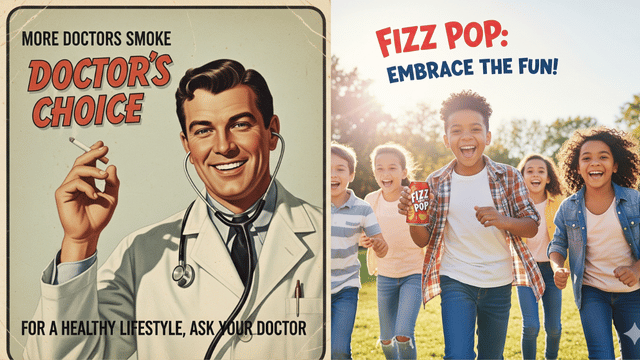
Until indisputable research demonstrated that tobacco was harmful to health, it was widely promoted as a harmless substance. Similarly, until more and more data started to reveal its negative aspects, sugar was thought to be a safe energy source.
Both sectors are similar:
- Addictive qualities → Sugar activates the brain's reward centers, while nicotine entices smokers.
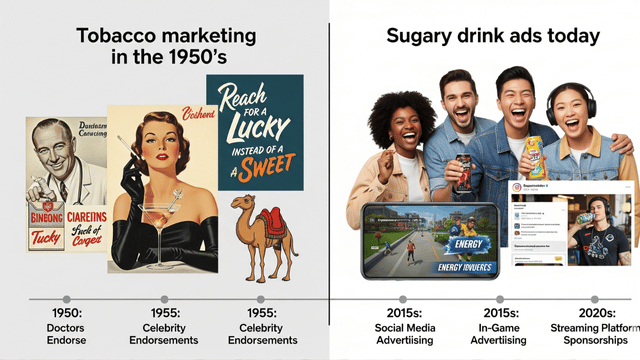
- Aggressive marketing → Both have been and continue to be heavily promoted to both adults and children.
- Impact on health is delayed → Damage accumulates over time rather than appearing all at once.
The pattern of denial, marketing, and addiction is difficult to overlook, even though the comparison isn't exact.
The Growing Sugar-Related Concerns
1. The Worldwide Epidemic of Obesity
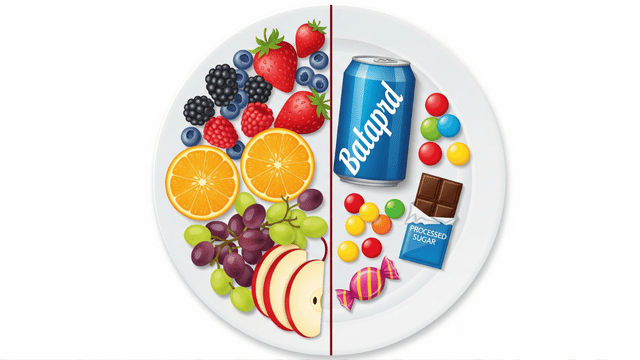
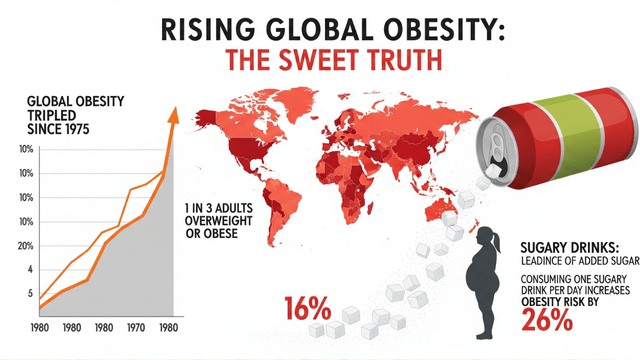
Sugar is a major factor in the global rise in obesity rates. Processed foods, refined snacks, and sugary drinks increase insulin levels, which causes fat to be stored. The body is overloaded with added sugars, in contrast to the natural sugars found in fruits, which are rich in fiber and nutrients.
One of the most vulnerable groups is children. According to studies, children who regularly drink sugary drinks have a much higher chance of becoming overweight than children who don't.
2. Type 2 Diabetes
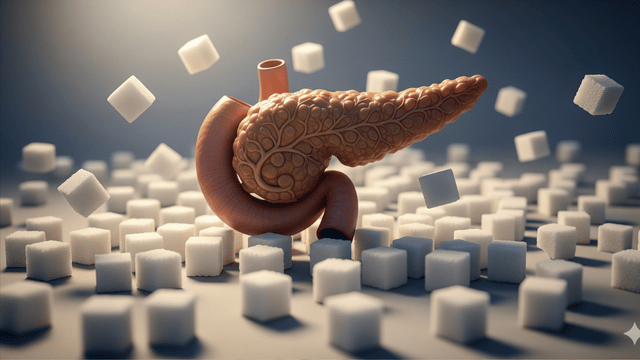
Insulin resistance, a condition in which cells cease reacting appropriately to insulin, is exacerbated by excessive sugar intake. This strains the pancreas and raises blood sugar levels over time.
Type 2 diabetes can be caused by a variety of factors, but excessive sugar intake greatly raises the risk. A hazardous cycle has been established by the combination of processed foods, sedentary lifestyles, and sugary drinks.
3. Heart Health Risks
It is increasingly evident that sugar contributes to heart disease. In addition to encouraging the accumulation of fat around the heart, diets heavy in sugar can increase triglycerides, blood pressure, and inflammation.
People who consume at least 25% of their calories from added sugar are at an increased risk of dying from cardiovascular disease, according to an American Heart Association study.

The Addictiveness of Sugar
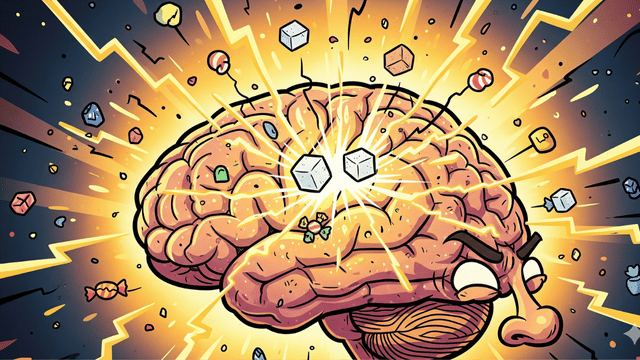
The feel-good hormone dopamine is released by our brains when we consume sugar. We become in a reward loop as a result, wanting more.
It's interesting to note that some studies indicate sugar activates brain pathways in a manner akin to that of addictive substances. The severity of sugar's hold is demonstrated by withdrawal symptoms like irritability, headaches, and exhaustion.
This explains the common statement, “I know it's bad, but I just can't quit sweets.”
The Role of the Food Industry
The food and beverage industry has aggressively promoted sugar-rich products, just like tobacco companies used to do. Sugar has become commonplace in everyday life, from vibrant children's cereal boxes to high-energy sports drinks.
Particularly high-fructose corn syrup has emerged as an inexpensive sweetener that can be found in a variety of unexpected foods, including bread, salad dressings, ketchup, and more.
Similar to how Big Tobacco used to fund studies to obscure the risks of smoking, the food industry frequently minimizes risks by funding research that downplays the dangers of sugar.
Is Sugar Just as Harmful as Tobacco?
This is the crucial difference:
- Tobacco → The body is instantly harmed by just one cigarette.
- Sugar → Overconsumption of sugar over years causes harm to develop gradually.
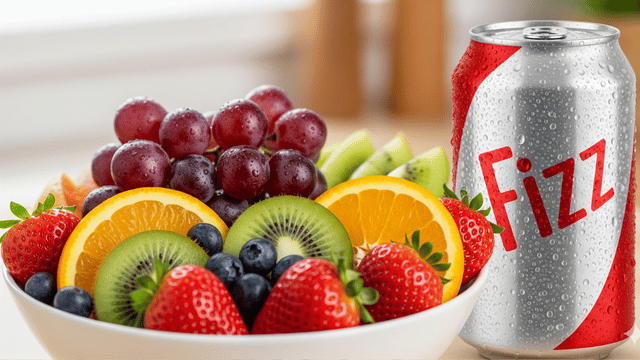
Nevertheless, diabetes, heart disease, and obesity are among the leading causes of death worldwide, and sugar exacerbates these chronic illnesses. Sugar, like tobacco, has nutritional gray areas; a healthy diet can include whole foods and fruits that contain natural sugars. The hidden and added sugars in processed foods are the true danger.
What Are the Options?
1. Knowledge and Consciousness
Campaigns by the public significantly decreased smoking rates. Sugar requires a similar strategy. The media, workplaces, and schools can all contribute to raising awareness of hidden sugars and healthier substitutes.
2. Cutting Back on Sugar in Packaged Foods
Recipes can be reformulated by manufacturers to provide sugar-free or low-sugar alternatives. Meanwhile, consumers can learn to pay closer attention to labels.
3. Regulation and Policy
Sugar taxes are being experimented with by governments all over the world. For instance:
- Mexico → Sugary drink taxes decreased consumption.
- UK → Companies were forced to reduce the amount of sugar in soft drinks due to a sugar levy.
These steps, along with clear food labeling, may help consumers choose healthier options.
Actions for People
Even though systemic change takes time, people can take action right now:
- Select whole foods such as fresh produce, whole grains, and fruits.
- Limit sugary beverages Water, herbal tea, or infused water can be used in place of sodas.
- Cooking at home allows you to control ingredients and cut down on hidden sugar.
- Eat mindfully to distinguish between genuine hunger and cravings.
These actions can significantly lessen the harmful effects of sugar, though they might not completely eradicate it.
In conclusion
Is sugar the new tobacco, then? Although sugar doesn't have the same immediate negative effects as cigarettes, it's difficult to avoid the comparison due to its addictive qualities, extensive marketing, and long-term health effects.
Perhaps the same can be said for sugar if society can reconsider tobacco and take action against it. The secret to escaping sugar's hold is awareness, control, and thoughtful personal decision-making.
The bottom line is that, while sugar may not be fatal right away, it gradually harms health in a subtle way, and the sooner we recognize this, the better off future generations will be.
Also Read
How to Build a Meal Plan That Actually Works
Boosting Nervous System Health: Key Symptoms, Natural Remedies & Improvement Tips
Nourishing Your Weight Loss Journey: Natural Ways to Boost Progress and Why It Matters
Bio of the Author
Azad is the creator of Kitchen Made Health, a website devoted to home cures, natural wellness, and healthy living. He is committed to helping readers live better lives by fusing conventional wisdom with cutting-edge nutrition science.
Bio of the Author
Azad is the creator of Kitchen Made Health, a website devoted to home cures, natural wellness, and healthy living. He is committed to helping readers live better lives by fusing conventional wisdom with cutting-edge nutrition science.
Disclaimer:
The information on Kitchen Made Health is provided for educational and informational purposes only and is not intended as medical advice.
Always consult with a qualified healthcare professional before making any changes to your diet, supplements, exercise routine, or lifestyle — especially if you have an existing medical condition, take prescription medications, or are pregnant or breastfeeding.
The content shared here reflects general wellness knowledge and should not be used to diagnose, treat, or cure any disease.
Results may vary from person to person. If you experience any unusual symptoms or health concerns, please seek immediate medical attention.