
One of the most prevalent hormonal conditions affecting women, especially those of reproductive age, is polycystic ovarian syndrome, or PCOS. Despite its prevalence, misinformation, ignorance, and delayed diagnosis continue to plague many women.
PCOS affects skin, weight, fertility, and long-term health in addition to periods. The good news is that PCOS can be successfully managed with the correct information, dietary adjustments, and lifestyle choices.
To help women deal with PCOS with confidence, this guide provides information on symptoms, causes, dietary advice, lifestyle modifications, natural remedies, and answers to commonly asked questions.
PCOS: What Is It?
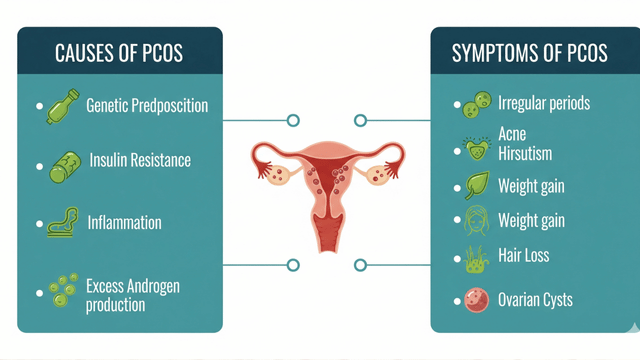
A disorder known as polycystic ovary syndrome occurs when the ovaries produce more androgens (male hormones) than usual. A variety of symptoms, including irregular ovulation and ovarian cyst formation, can result from this hormonal imbalance.
Brief Information:
- PCOS affects about 10% of women who are of reproductive age.
- One of the main causes of infertility in women is PCOS.
- It is closely associated with insulin resistance, which raises the risk of heart disease and type 2 diabetes.
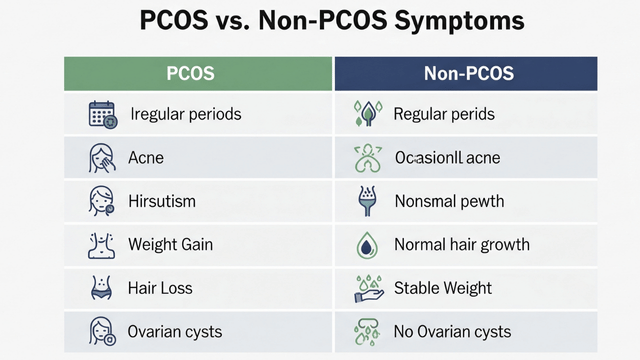
Typical PCOS Symptoms
Each woman experiences PCOS in a unique way. While some people may only encounter minor problems, others may encounter numerous difficulties.
- Missed or irregular periods.
- excessive body or facial hair (hirsutism).
- Oily skin and acne.
- Gaining weight, particularly around the abdomen.
- Male-pattern baldness or hair thinning.
- Problems with fertility because of irregular ovulation.
- Dark areas on the skin (a sign of insulin resistance).
- Not all PCOS symptoms are present in every woman.
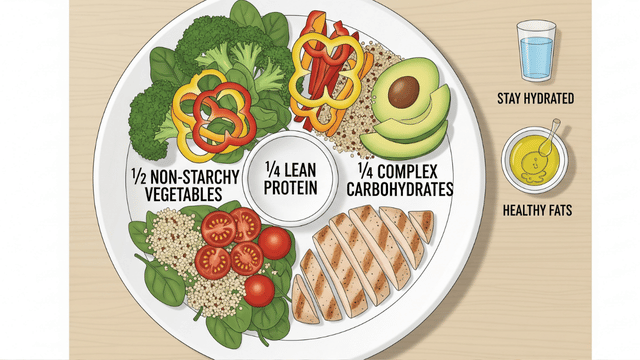
Dietary Advice for PCOS Management
Managing the symptoms of PCOS is greatly influenced by the foods you choose to eat each day. An insulin-friendly, well-balanced diet can have a significant impact.
PCOS-Friendly Foods:
- Whole grains, quinoa, oats, apples, and berries are examples of low GI foods.
- Foods High in Fiber: Broccoli, leafy greens, beans, and lentils.
- Olive oil, avocados, walnuts, and chia seeds are good sources of healthy fats.
- Lean protein sources include fish, poultry, eggs, tofu, and legumes.
- Green tea, tomatoes, and turmeric are foods that reduce inflammation.
Items to Steer Clear of:
- Refined carbohydrates include sugary drinks, white bread, and pastries.
- Processed snacks include fried foods, packaged cookies, and chips.
- Candy, sodas, and energy drinks contain too much sugar.
- Fast food items high in sodium include burgers, fries, and packaged soups.
Modifications to Lifestyle for Improved PCOS Management
- When it comes to hormone balance, lifestyle is just as crucial as diet.
- Engage in regular exercise: Try to get in 30 to 45 minutes each day of walking, cycling, or yoga.
- Try journaling, meditation, or spending time outdoors to reduce stress.
- Make sleep a priority; getting 7 to 8 hours of good sleep aids in hormone regulation.
- Track cycles: Keep an eye on period symptoms and patterns with apps.
Natural Solutions That Could Be Beneficial.
- Natural remedies can support lifestyle changes, but they shouldn't be used in place of medical advice.
- Tea with spearmint can lower testosterone levels.
- Cinnamon: Increases sensitivity to insulin.
- Vitex, or chasteberry, may aid in cycle regulation.
- Bananas, spinach, and almonds are good sources of magnesium, which helps with insulin resistance.
- Omega-3s: Fish oil, chia seeds, and flaxseeds help maintain hormone balance.
Before beginning a supplement regimen, always get medical advice.
PCOS frequently asked questions
1. Is it possible to permanently cure PCOS?
Although there is no permanent cure for PCOS, its symptoms can be effectively managed with medical and lifestyle support.
2. Is it possible for women with PCOS to conceive naturally?
Indeed. Depending on ovulation, some women may require fertility treatments, while many conceive naturally.
3. Does PCOS improve with weight loss?
Fertility, menstrual regulation, and insulin sensitivity can all be enhanced by losing even 5–10% of body weight.
4. Is PCOS inherited?
Indeed, heredity is a factor, but lifestyle choices have a big impact on severity.
5. What distinguishes PCOD from PCOS?
PCOS (Polycystic Ovary Syndrome) is a more serious, hormone-related condition, whereas PCOD (Polycystic Ovarian Disease) is a more general term.
Concluding remarks
Although having PCOS can be difficult, it does not define you. You can take control of your health with the correct mix of diet, exercise, stress reduction, and medical advice.
Recall that managing PCOS is a process rather than a quick fix. Over time, small, regular lifestyle adjustments yield significant outcomes.
See a gynecologist or endocrinologist for individualized treatment if symptoms affect your health or day-to-day functioning.
🔗 Also Read:
The Healing Power of Herbal Teas: Benefits, Preparation & Everyday Uses
Unlocking the Secrets of Cholesterol: Symptoms, Foods to Avoid & How to Stay in Control
Power-Packed Fruits for Immunity and Energy: Fuel Your Day, Starting on an Empty Stomach
Bio of the Author
Azad is the creator of Kitchen Made Health, a website devoted to home cures, natural wellness, and healthy living. He is committed to helping readers live better lives by fusing conventional wisdom with cutting-edge nutrition science.
Disclaimer:
The information on Kitchen Made Health is provided for educational and informational purposes only and is not intended as medical advice.
Always consult with a qualified healthcare professional before making any changes to your diet, supplements, exercise routine, or lifestyle — especially if you have an existing medical condition, take prescription medications, or are pregnant or breastfeeding.
The content shared here reflects general wellness knowledge and should not be used to diagnose, treat, or cure any disease.
Results may vary from person to person. If you experience any unusual symptoms or health concerns, please seek immediate medical attention.