
The argument between Ayurveda and modern medicine is more pertinent than ever when it comes to long-term health management. Both systems have devoted supporters, distinct advantages, and contentious drawbacks. But which really endures in the context of long-term wellness?
This article will examine the main distinctions, benefits, dangers, and potential for a well-rounded strategy that incorporates the best features of both approaches.
Understanding the Basics
🌿 Ayurveda
The 5,000-year-old Indian natural medicine system known as Ayurveda emphasizes harmony between the body, mind, and soul. Typical treatments consist of:
- Herbal treatments such as triphala, turmeric, and ashwagandha.
- Diet based on your body type, or dosha.
- Changes in lifestyle like yoga, pranayama, and meditation.
- Panchakarma and other detoxification methods.
💊 Modern Medicine (Allopathy)
Science-based medications, procedures, and diagnostics are all part of modern medicine. It emphasizes quick symptom relief and illness management by:
- Advanced imaging and clinical testing.
- Prescription medications.
- Preventive screenings and vaccinations.
- Care for emergencies and surgeries.
| Feature | Ayurveda | Modern Medicine |
|---|---|---|
| Treatment Approach | Holistic & preventive | Symptom-specific & reactive |
| Focus | Mind-body balance, detoxification | Disease cure & management |
| Healing Time | Gradual, long-term | Quick, short-term |
| Side Effects | Minimal when used correctly | Potentially significant |
| Research | Ancient texts + growing modern studies | Evidence-based clinical trials |
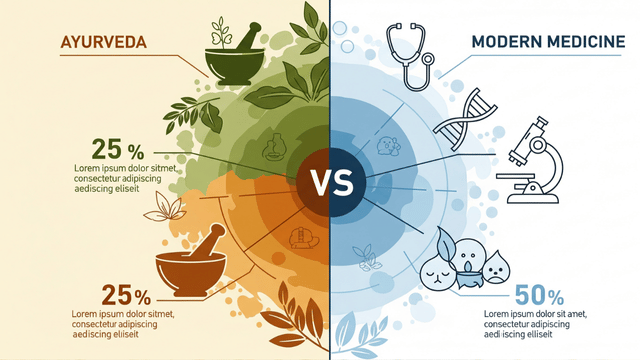
The Case for Ayurveda in Long-Term Health
1. Pay Attention to the Cause, Not Just the Symptoms
In contrast to contemporary medicine, which frequently focuses on symptoms, Ayurveda aims to locate and resolve underlying imbalances. For example, Ayurveda suggests dietary adjustments, stress reduction, and digestive herbs to address the underlying cause of acidity rather than merely prescribing a medication.
2. Natural Treatments, Minimal Adverse Reactions
For centuries, people have safely used herbs like triphala (digestive support), ashwagandha (stress relief), and turmeric (anti-inflammatory). When an Ayurvedic practitioner prescribes treatments correctly, side effects are minimal.
3. Personalized and Preventive Care
Ayurveda places a strong emphasis on seasonal cleansing, daily routines (Dinacharya), and body-type-specific food choices (Vata, Pitta, Kapha). As a result, it is not only a curative system but also a preventive one.
The Case for Modern Medicine
1. Emergency Care and Rapid Relief
Modern medicine is unparalleled when it comes to treating emergencies, such as heart attacks, infections, trauma, or surgeries. Antibiotics, for instance, can save lives in a matter of hours, whereas Ayurveda cannot do so right away.
2. Practices Based on Evidence
Global research, FDA approvals, and stringent clinical trials support modern medicine. Because of this, treatments are dependable and always getting better.
3. Treatment Innovation
Innovations like cancer treatments, organ transplants, and robotic surgery demonstrate how modern medicine can improve quality of life and life expectancy.

Can Ayurveda and Modern Medicine Work Together?
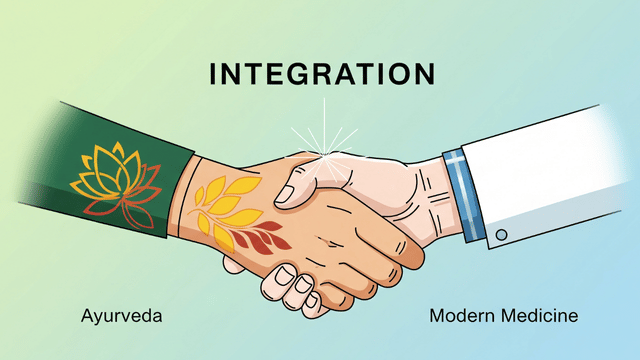
Integrative medicine is becoming more and more popular. This method combines the scientific accuracy of modern medicine with the preventive knowledge of Ayurveda.
Among the examples are:
- Diabetes care: Ayurveda helps manage lifestyle with diet and stress reduction, while modern medicine monitors blood sugar.
- Stress management: Ayurvedic yoga and meditation, along with prescription medicine for severe cases.
- Chronic inflammation: Turmeric and other Ayurvedic herbs can be used in conjunction with contemporary anti-inflammatory medications.
Risks and Controversies
- Even though research is growing, some Ayurvedic treatments still haven't been proven scientifically.
- If you use modern medicines too much, they can stop working as well as cause side effects and antibiotic resistance.
- Unchecked herbal supplements can be dangerous if you don't know what you're doing.
Tips: Before mixing treatments, you should always talk to qualified doctors and Ayurvedic practitioners.
Final Thoughts: Which Is Better?
There's no one answer that works for everyone.
- Modern medicine is the best way to get quick relief or care in an emergency.
- Ayurveda has special benefits if you want to improve your health, stay healthy, and change your lifestyle for the long term.
- The best way to do it? Mix the ancient knowledge of Ayurveda with the accuracy of modern medicine, but only with the help of a trained professional.
FAQs
Q1: Can Ayurveda heal long-term illnesses like arthritis or diabetes?
Ayurveda helps people with chronic conditions by looking at things like diet, lifestyle, and stress. Modern treatments should not be ignored, though, in medical emergencies or for very serious conditions.
Q2: Is it okay to use both Ayurveda and modern medicine together?
Yes, but only with the help of a professional. Some herbs might not work well with prescription drugs.
Q3: When it comes to cost, Ayurveda or modern medicine?
For preventive care, Ayurveda is usually a better value. Modern medicine, on the other hand, is needed for emergency and surgical care.
Suggested Internal Links
The Unsung Heroes of the Kitchen: Harnessing the Power of Prebiotic Cooking
Is Sugar Really the “New Tobacco”?
Do Detox Diets Really Work? Myths, Facts, and Healthy Alternatives
Bio of the Author
Azad is the creator of Kitchen Made Health, a website devoted to home cures, natural wellness, and healthy living. He is committed to helping readers live better lives by fusing conventional wisdom with cutting-edge nutrition science.
Disclaimer:
The information on Kitchen Made Health is provided for educational and informational purposes only and is not intended as medical advice.
Always consult with a qualified healthcare professional before making any changes to your diet, supplements, exercise routine, or lifestyle — especially if you have an existing medical condition, take prescription medications, or are pregnant or breastfeeding.
The content shared here reflects general wellness knowledge and should not be used to diagnose, treat, or cure any disease.
Results may vary from person to person. If you experience any unusual symptoms or health concerns, please seek immediate medical attention.