
Naturally boosting your immune system has never been more crucial in today's health-conscious society, particularly in the wake of multiple flu seasons and COVID-19 outbreaks. Food is still the most effective and convenient way to boost your immunity, even though medications have their place. People have long believed in “food as medicine” across cultures, from Chinese herbal medicine to Indian Ayurveda, and contemporary science is now supporting this belief.
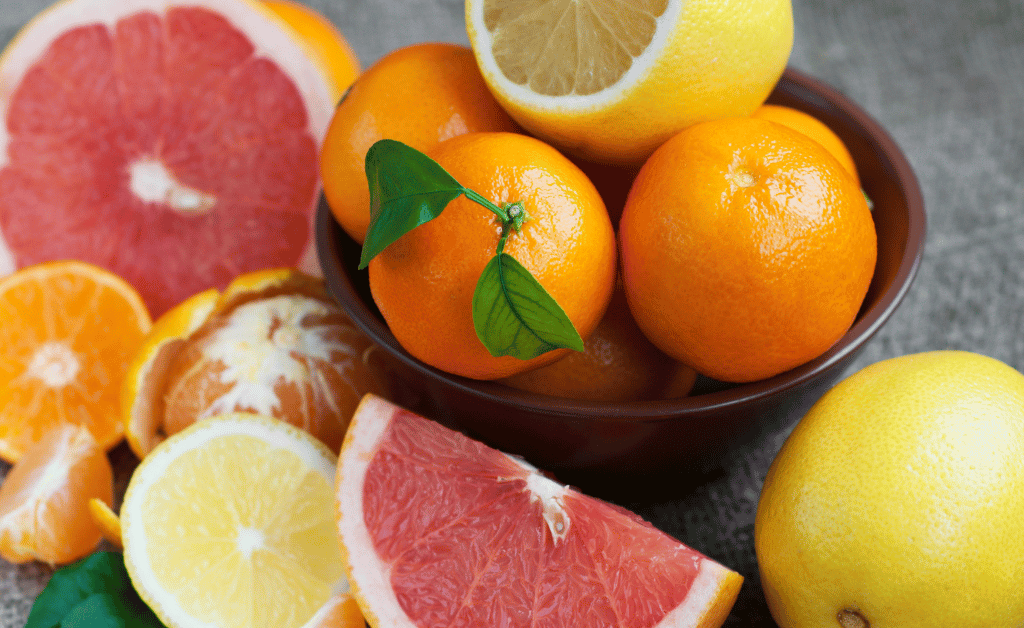
1. Fruits with citrus
Why They Operate: Vitamin C, which is abundant in oranges, lemons, limes, and grapefruits, boosts white blood cells, your body's first line of defense.
How to Eat:
- A traditional Indian morning ritual is to squeeze a lemon into some warm water.
- Savor unsweetened fresh orange juice.
- Add lemon to salads to boost their vitamin C content.
2. Garlic
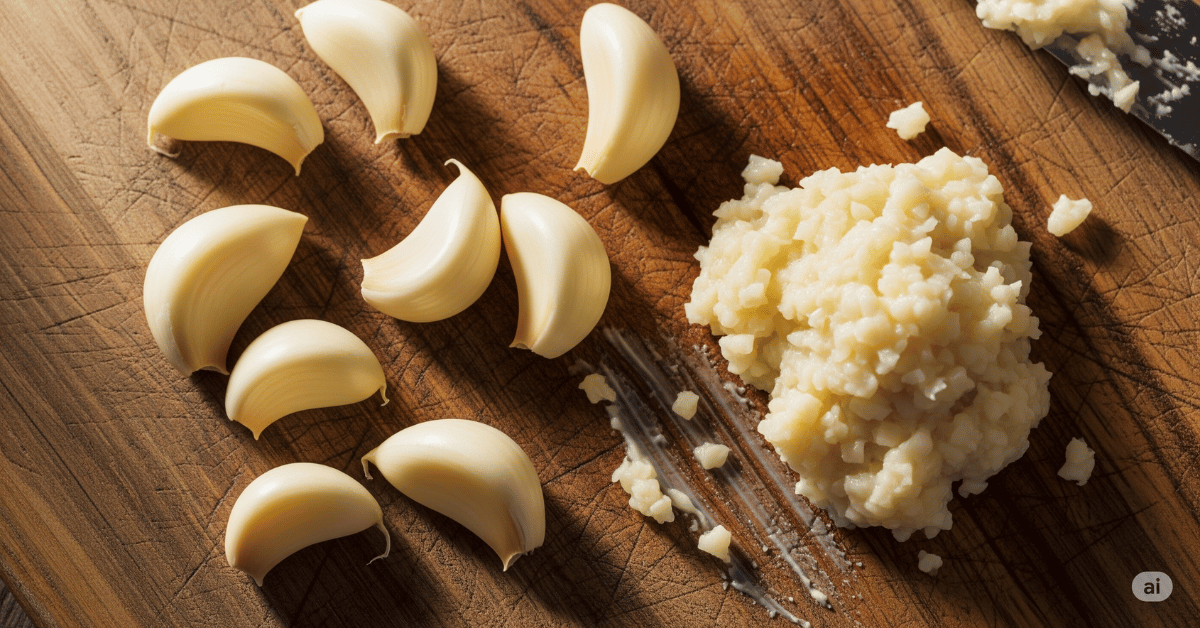
Why It Works: Allicin, which is found in garlic, boosts immunity and fights infections. Garlic has long been used in Indian cooking to enhance the flavor and health benefits of dals, curries, and chutneys.
How to Eat:
- To the chutney, add crushed raw garlic.
- Add honey (a natural cure for colds).
- Add to curries and soups.
3. Ginger
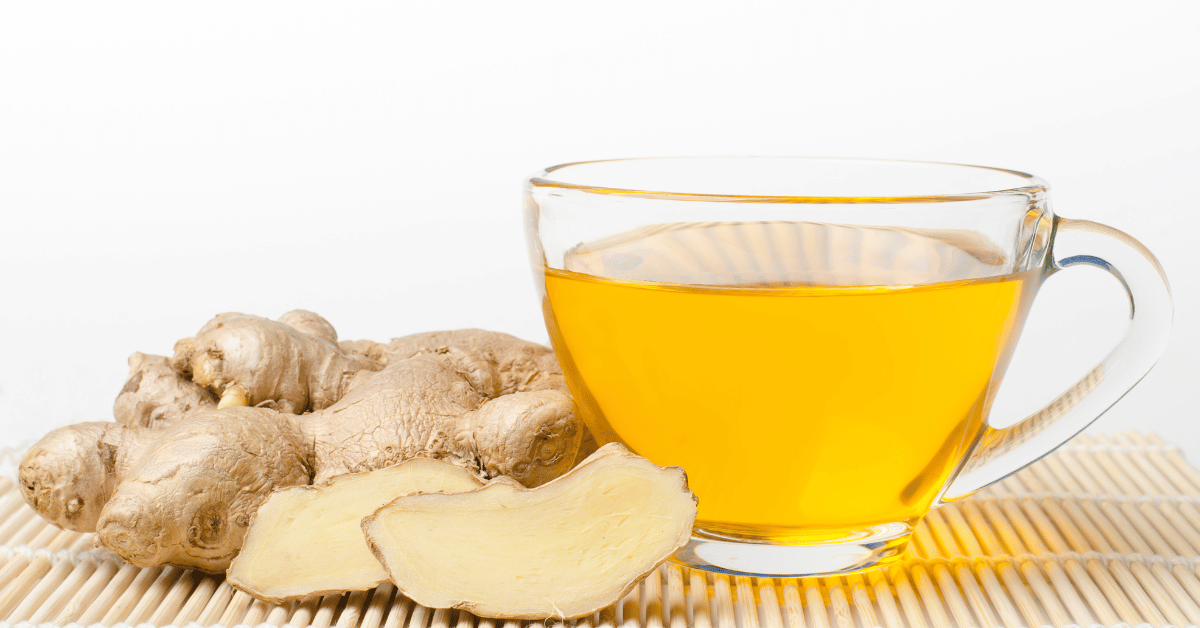
Why It Works: Ginger has potent antioxidant and anti-inflammatory qualities. It increases circulation and eases sore throats.
How to Eat:
- In many Indian homes, ginger tea with honey and lemon is a daily ritual.
- Grated ginger can be added to soups or curries.
4. Yogurt (Curd)
Why It Works: Probiotics, which are abundant in yogurt, help to balance gut flora. This is important because the gut contains 70% of your immune system.
How to Eat:
- South Indian-style rice and plain curd.
- curd with papaya or banana fruits.
- Jeera (cumin) in buttermilk.
5. Turmeric
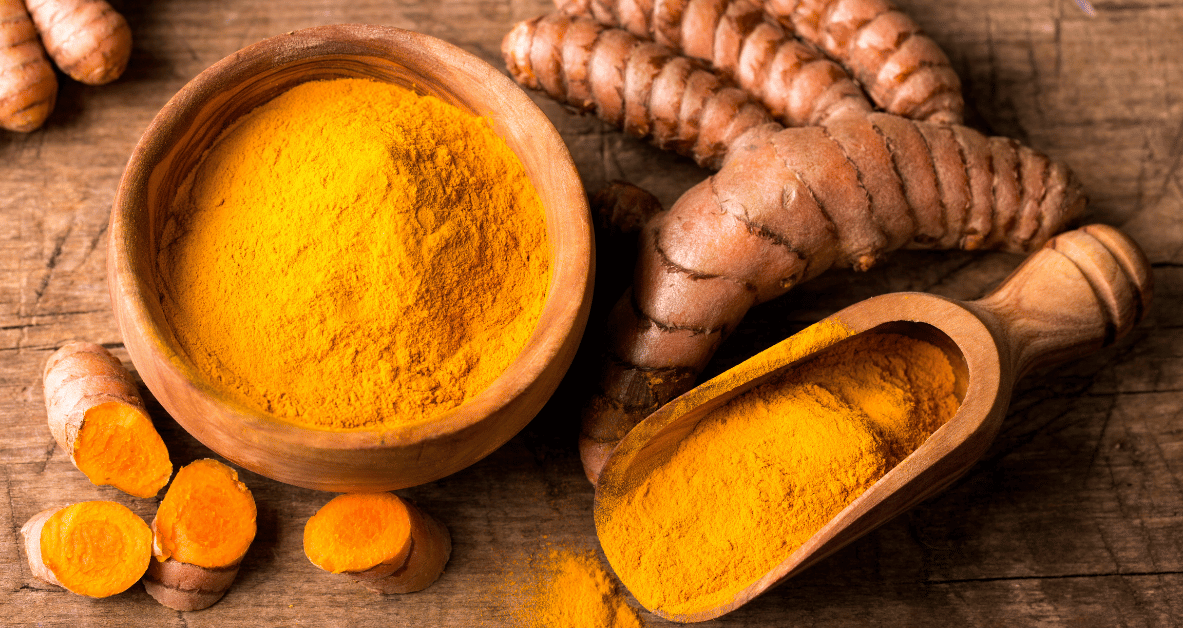
Why It Works: Curcumin, a naturally occurring immune-boosting substance with anti-inflammatory qualities, is found in turmeric.
How to Eat:
- A grandmother-approved cure is to drink golden milk (haldi doodh) before bed.
- Add to rice, smoothies, and curries.
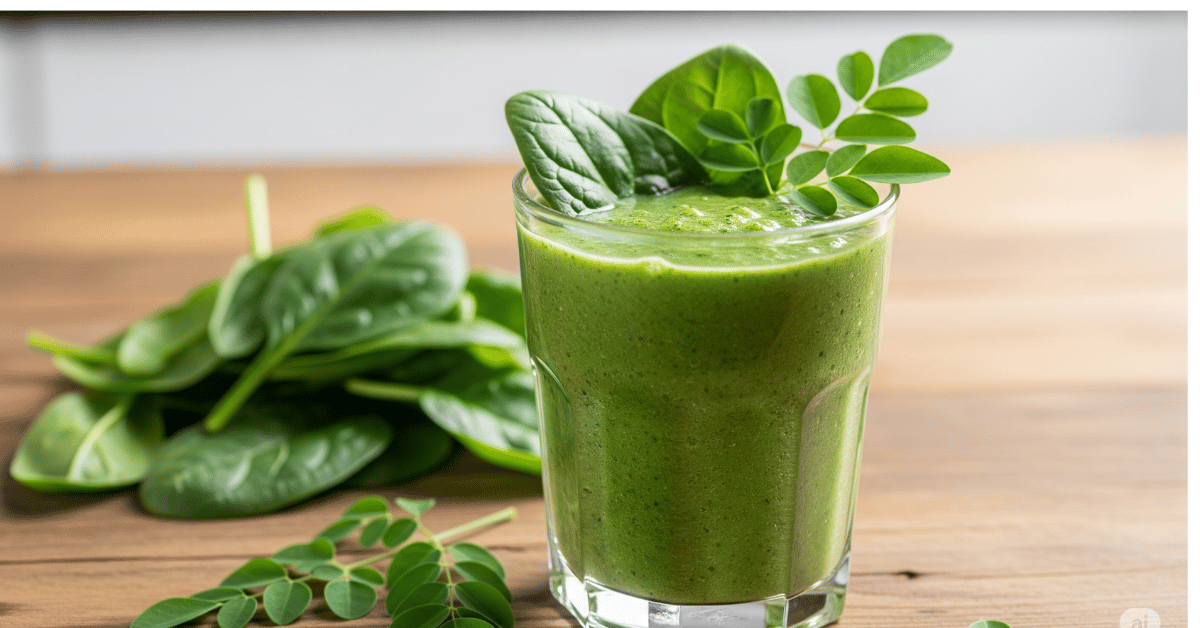
6. Green Leafy Vegetables
Why They Operate: Vitamins A, C, and E, along with antioxidants that support your immune system, are abundant in spinach, kale, and moringa.
How to Eat:
- Add the garlic and spinach and sauté lightly.
- To the dal, add moringa leaves.
- Add to green smoothies.
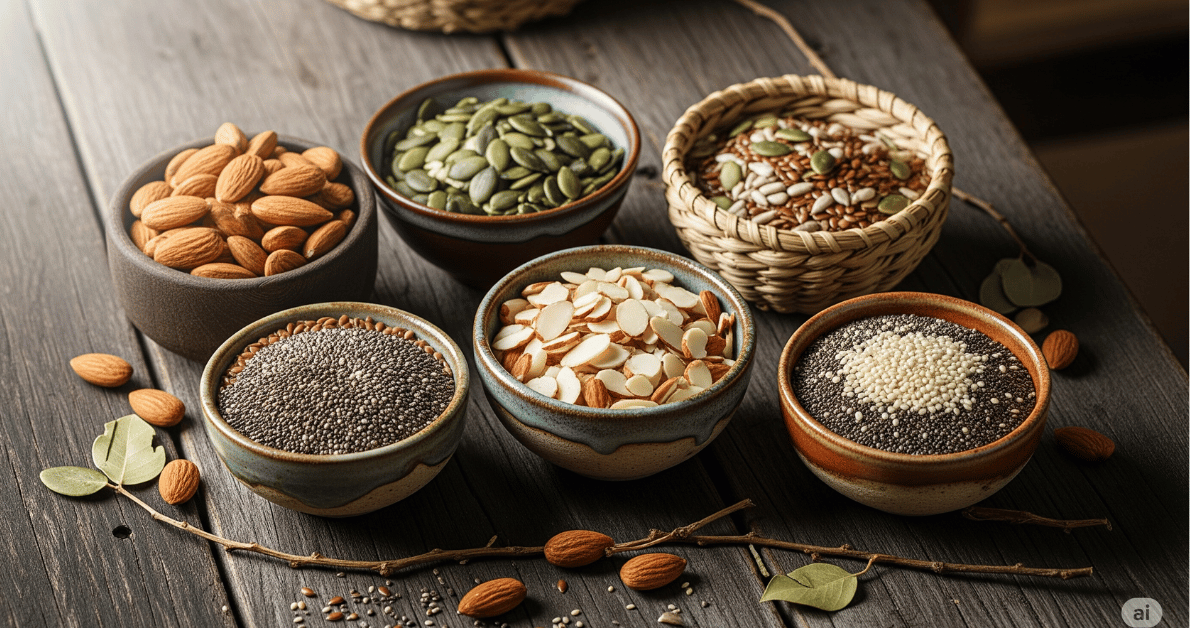
7. Almonds & Sunflower Seeds
Why They Operate: These nuts and seeds, which are high in vitamin E, function as antioxidants to shield immune cells.
How to Eat:
- In the morning, a handful of soaked almonds.
- Sunflower seeds added to oats or salads.
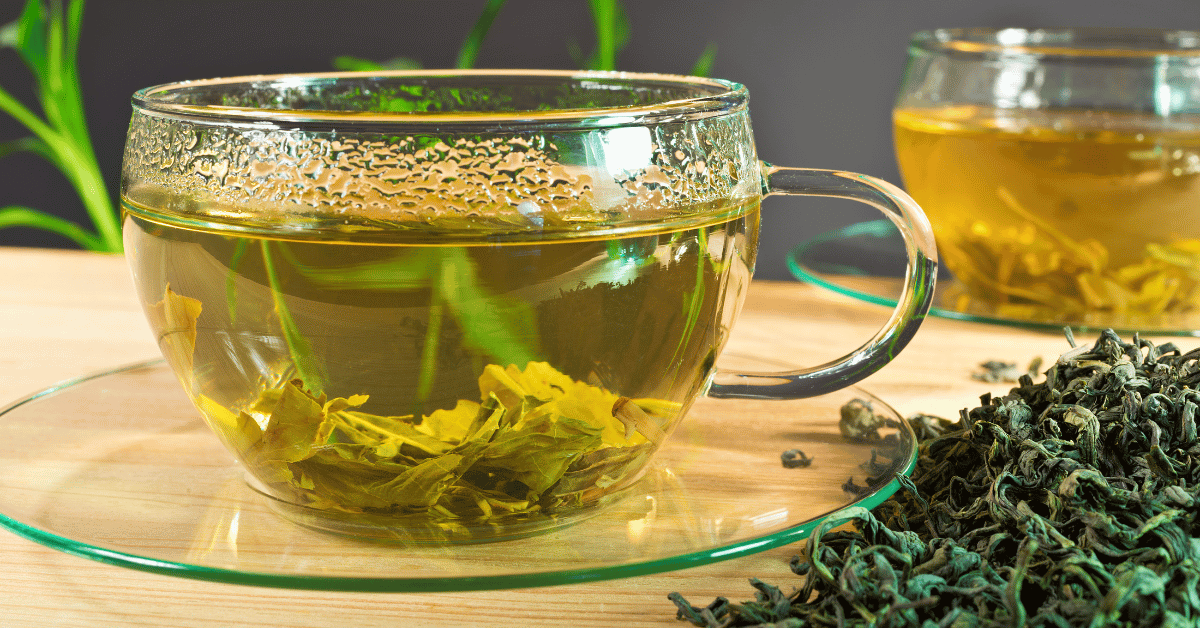
8. Green Tea
The Reason It Works Green tea boosts T-cell activity because it contains EGCG, a potent antioxidant. Additionally, it contains L-theanine, which aids in stress relief.
How to Eat:
- Drink 1-2 cups sugar-free each day.
- For taste, add mint or lemon.
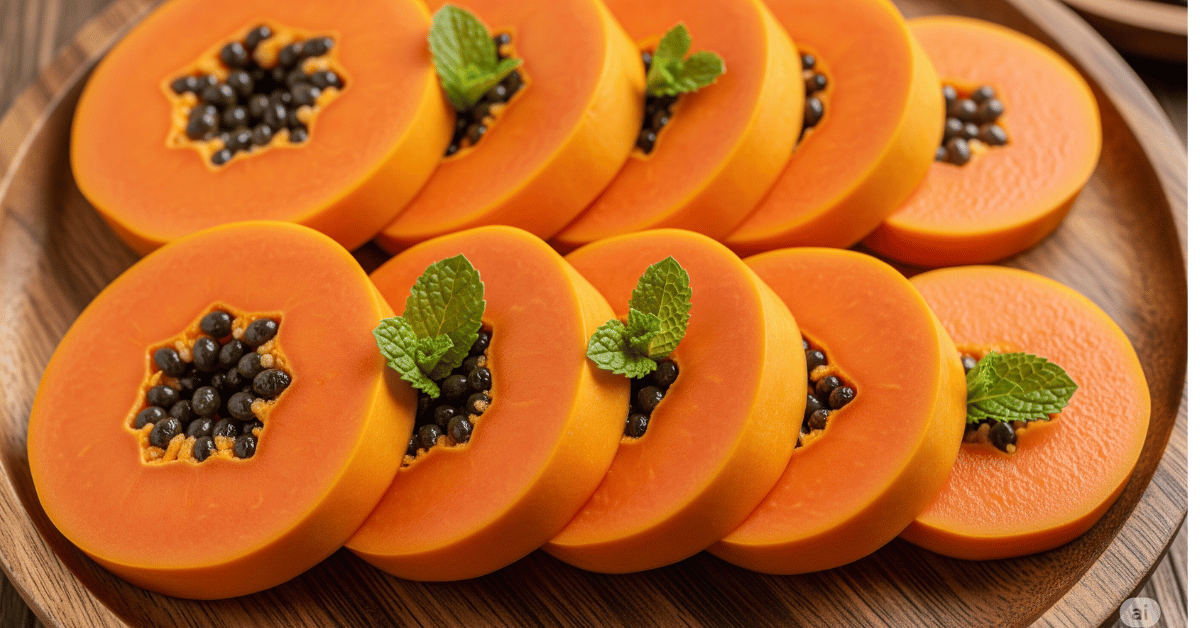
9. Papaya
The Reason It Works Vitamin C and papain-like enzymes, which promote better digestion and less inflammation, are abundant in papaya.
How to Eat:
- Consume ripe papayas for breakfast.
- Add to smoothies.
10. Mushrooms (Shiitake, Reishi, Oyster)
Why They Operate: White blood cells are activated by beta-glucans found in mushrooms. They have been used for centuries to combat illness in Eastern cultures.
How to Eat:
- Add garlic and mushrooms and stir-fry.
- Add to stews and soups.
Extra Immunity-Boosting Pro Tips
- Keep Hydrated: To improve immunity and digestion, carry a copper water bottle, which is an Ayurvedic custom.
- Aim for 7 to 8 hours of sleep each night.
- Try yoga, meditation, or basic breathing techniques to help you manage your stress.
- Get Regular Exercise: Circulation is improved by brisk walks or Surya Namaskar.
Final Thoughts
Like a shield, your immune system protects you better the stronger you make it. You can enhance your long-term energy, mood, and general well-being in addition to protecting yourself against infections by including these natural, scientifically supported foods in your daily diet.
The next time you prepare a meal, keep in mind that each bite either strengthens or weakens your immunity. Make an informed decision.
📌 Also Read:
Daily Mental Health Care: Simple Habits to Reduce Stress and Anxiety Naturally
Intermittent Fasting: Benefits, Risks, and How to Do It Safely
Do Detox Diets Really Work? Myths, Facts, and Healthy Alternatives
Disclaimer:
The information on Kitchen Made Health is provided for educational and informational purposes only and is not intended as medical advice.
Always consult with a qualified healthcare professional before making any changes to your diet, supplements, exercise routine, or lifestyle — especially if you have an existing medical condition, take prescription medications, or are pregnant or breastfeeding.
The content shared here reflects general wellness knowledge and should not be used to diagnose, treat, or cure any disease.
Results may vary from person to person. If you experience any unusual symptoms or health concerns, please seek immediate medical attention.