
Particularly among adults in their 30s, 40s, and 50s, thyroid disorders are on the rise. Natural management of hypothyroidism (underactive thyroid) or hyperthyroidism (overactive thyroid) can greatly benefit from early detection of symptoms and easy dietary and lifestyle modifications.
The Thyroid: What It Is and Why It Matters
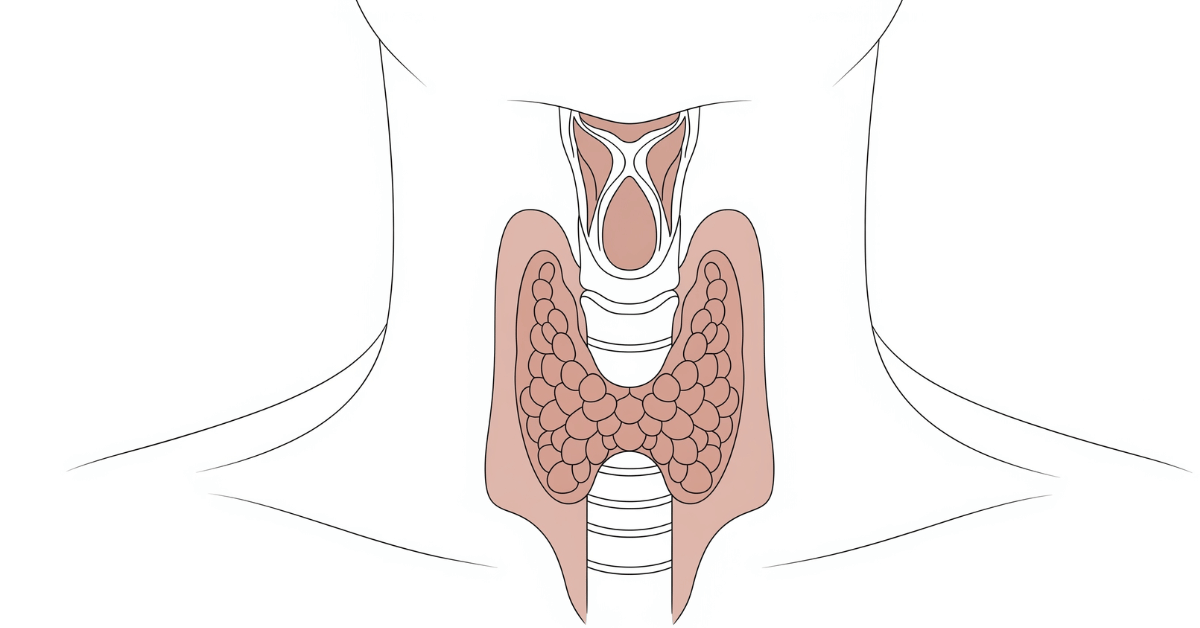
The thyroid is a tiny gland in the neck that resembles a butterfly. Despite its diminutive size, it is crucial to:
- Controlling metabolism.
- Keeping the body temperature stable.
- Boosting mood and vitality.
Unexpected weight fluctuations, mood swings, and general exhaustion can result from an imbalance in thyroid hormones.
Early Indications of Thyroid Issues
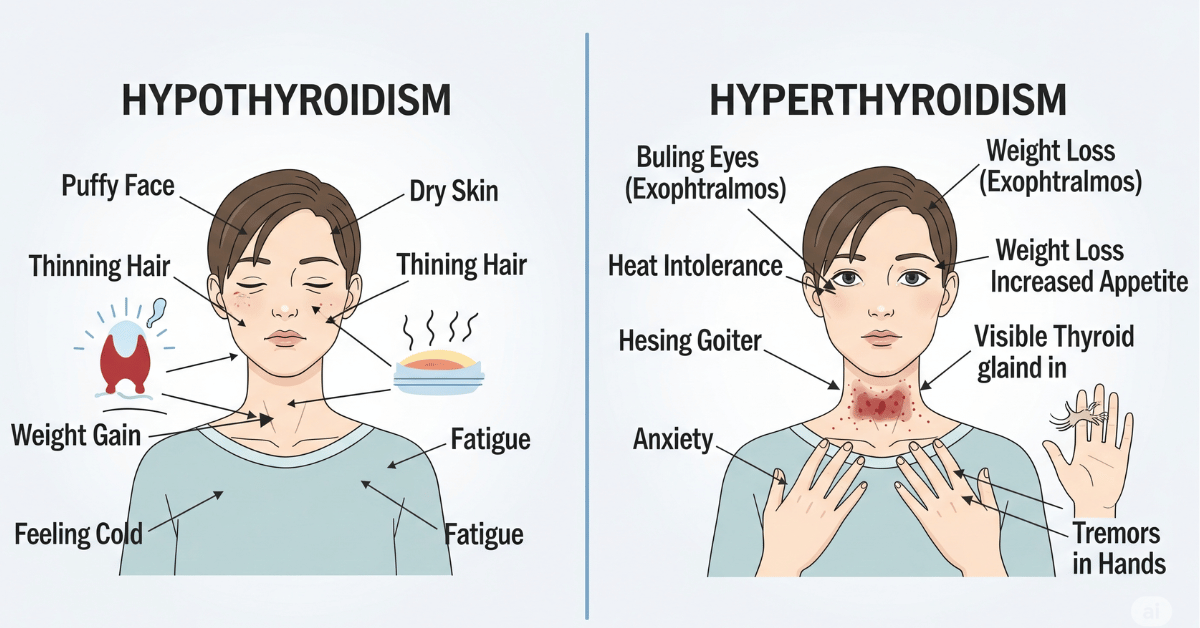
Typical signs of hypothyroidism (underactive thyroid)
Weight gain that cannot be explained.
- Sluggishness or fatigue.
- Constipation.
- Hair thinning and dry skin.
- Low mood or depression.
- Cold sensitivity.
- Period irregularities.
Common signs of an overactive thyroid, or hyperthyroidism
- Unexpected weight loss.
- Palpitations or a fast heartbeat.
- An increase in appetite.
- Anxiety or nervousness.
- Sweating excessively or being intolerant to heat.
- Tremors in the hands.
- Having trouble falling asleep.
👉 See your doctor and ask for a thyroid function test (TSH, T3, T4) if you experience these symptoms.
🥗 Top Dietary Advice for Healthy Thyroid Function: Consume Foods High in Iodine
- Your thyroid uses iodine as a raw material to produce hormones.
- Indian homes frequently use iodized salt.
- Seaweed (nori and kelp, which are sold in Asian stores).
- Products made from dairy (milk, curd, paneer).
- Eggs.
💡 Home Tip: Himalayan pink salt or rock salt (sendha namak) are common in Indian kitchens. These are acceptable, but to prevent deficiencies, make sure to add some iodized salt as well.
2. Include Foods High in Selenium
- Thyroid hormones are “activated” by selenium.
- Brazil nuts (you only need one or two a day).
- Seeds of sunflowers.
- Sardines, tuna, and eggs.
💡 Home Tip: In India, not everyone can easily locate Brazil nuts. Two teaspoons of roasted pumpkin or sunflower seeds per day is an easy substitute.
3. Provide Sources of Zinc
- Thyroid hormone production is influenced by zinc.
- Seeds from pumpkins.
- Chana (chickpeas), Dal (lentils), and Cashews.
4. Select Foods That Reduce Inflammation
Inflammation frequently makes thyroid disorders worse.
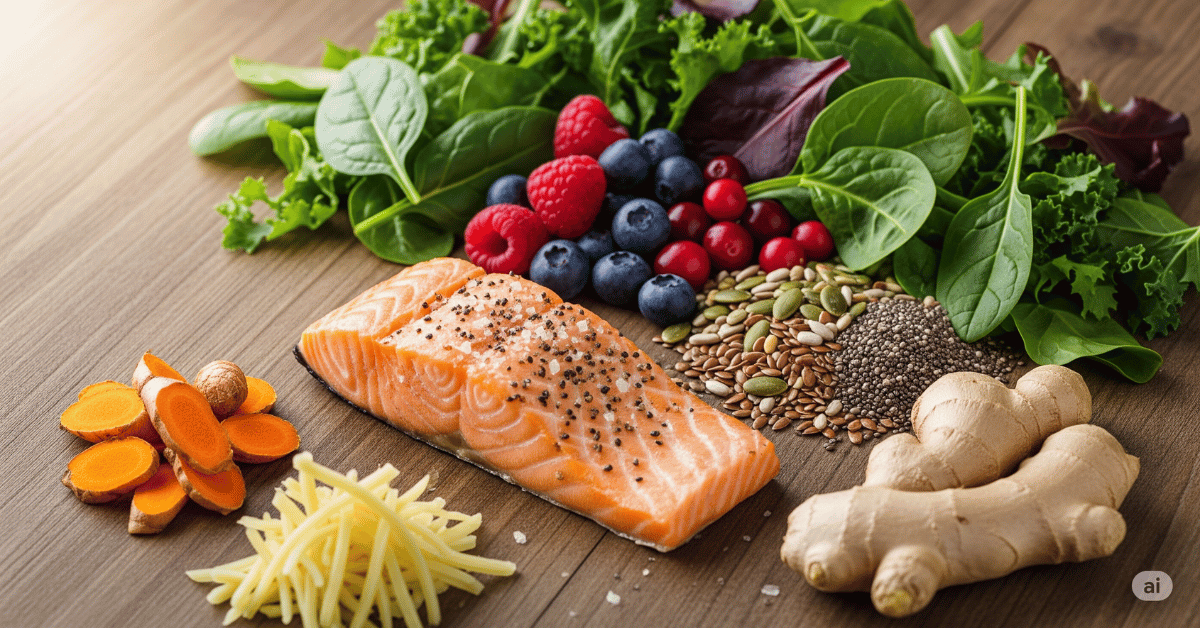
Black pepper and turmeric (golden milk is an ancient Indian remedy).
- Tea with ginger.
- Greens with leaves.
- Berries that are fresh.
Fish high in fat, such as mackerel or salmon
5. Select Whole Foods
Maintain a simple, healthful diet:
- Whole grains such as quinoa, millets, and oats.
- Seasonal fresh vegetables.
- Berries, papayas, guavas, apples, and other low-sugar fruits.
💡 Home Tip: For more fiber and minerals, use multigrain atta (wheat + ragi + bajra) instead of refined atta.
Foods to Limit or Steer Clear of
- Overconsumption of soy products may hinder the absorption of thyroid hormones.
- Raw cruciferous vegetables include cauliflower, broccoli, and cabbage. To lessen the impact, cook them.
- Processed foods are heavy in additives and sodium.
- If you're sensitive, avoid gluten, especially if you have Hashimoto's thyroiditis.
- Sugary foods and beverages can exacerbate weight gain and insulin resistance.
Lifestyle Advice for Supporting the Thyroid
- Engage in regular exercise—even a quick 30-minute walk can help control metabolism.
- Get 7 to 8 hours of good sleep each night.
- Reduce stress by practicing yoga, meditation, or deep breathing.
- Verify your vitamin D and B12 levels; thyroid patients frequently have deficiencies.
- Sunlight in the morning and supplements, if recommended, can be beneficial.
💡 At-home Tip: The thyroid is thought to benefit from simple yoga poses like Sarvangasana, Matsyasana, and Bhujangasana (do only under guidance if you have medical conditions).Concluding remarks
Final Thoughts
Thyroid care doesn't have to be difficult. By:
- Identifying early symptoms,
- Consuming a healthy, thyroid-friendly diet, and
- Modifying one's lifestyle with awareness,
In addition to following your doctor's treatment plan, you can manage thyroid imbalances more naturally.
you can manage thyroid imbalances more naturally — alongside your doctor’s treatment plan.
👉 Don't disregard it if you're in your 30s, 40s, or 50s and experience unusual fatigue, mood swings, or weight changes. You might be receiving a signal from your thyroid.
📌 Also Read:
Natural Ways to Control High Blood Pressure: Foods, Yoga & Lifestyle Habits
The Gut-Health Revolution: Natural Ways to Beat Bloating and Boost Digestion
The Unsung Heroes of the Kitchen: Harnessing the Power of Prebiotic Cooking
Disclaimer:
The information on Kitchen Made Health is provided for educational and informational purposes only and is not intended as medical advice.
Always consult with a qualified healthcare professional before making any changes to your diet, supplements, exercise routine, or lifestyle — especially if you have an existing medical condition, take prescription medications, or are pregnant or breastfeeding.
The content shared here reflects general wellness knowledge and should not be used to diagnose, treat, or cure any disease.
Results may vary from person to person. If you experience any unusual symptoms or health concerns, please seek immediate medical attention.