
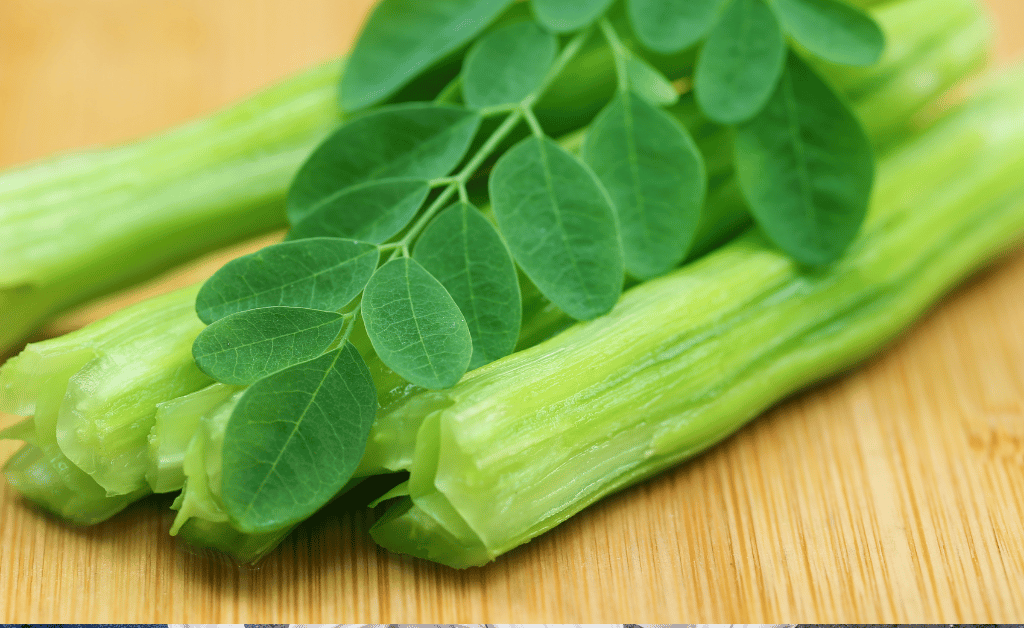
Moringa is frequently referred to as the “miracle tree.” It is also known as Sahjan in Hindi and as the well-known drumstick leaves in South India. And with good cause. For centuries, this common plant has been used in Ayurvedic medicine and Indian kitchens. The rest of the world has only lately realized its amazing advantages, though.
Moringa contains dozens of anti-inflammatory compounds, 46 antioxidants, and more than 90 nutrients. What really counts, though, is what happens to your body when you include moringa in your regular diet.
When I was growing up in Andhra Pradesh, my mother would frequently make a quick chutney or add drumstick leaves to dal. It was just conventional wisdom presented on a plate; we didn't consider it a “superfood.” I now understand why our elders insisted on eating moringa on a regular basis after learning about its scientific basis.
Let's examine the actual, culturally validated, and scientifically supported advantages of consuming moringa on a daily basis.
1. Naturally Strengthens Immunity
Vitamins C, A, and E, which are essential for a robust immune system, are abundant in moringa. Frequent ingestion aids in the body's defense against colds, infections, and seasonal exhaustion.
Consider moringa to be your own natural multivitamin without the need for pills.
Personal Tip: I mix a spoonful of moringa powder into warm sambar or rasam during the monsoon season, when coughs and colds are prevalent. It immediately increases immunity.
2. Boosts Energy & Reduces Fatigue
Even after getting a full night's sleep, do you still feel exhausted? Moringa's iron and magnesium enhance energy production and oxygen transport. After a week of consistent use, many people report increased mental clarity and stamina.
Cultural Note: To stay energized during long farm hours, workers in rural Tamil Nadu frequently consume moringa leaf porridge (keerai kanji) in the mornings.
3. Helps Balance Blood Sugar
The ability of moringa to control blood sugar is one of its most researched advantages. It is advantageous for people with diabetes or insulin resistance because of compounds like isothiocyanates that help stabilize insulin levels.
Actual life For instance, a family friend who had prediabetes began incorporating moringa tea into his evening routine. Although he paired it with regular walking and a lower sugar intake, his fasting blood sugar showed a discernible improvement within three months.
4. Supports Heart Health
Moringa's anti-inflammatory qualities reduce blood pressure and cholesterol, and its antioxidants combat oxidative stress. This lowers the risk of heart disease and maintains artery flexibility.
A simple, heart-healthy custom that many South Indian homes still adhere to is the addition of drumstick pods to sambar or rasam twice a week.
5. Detoxifies & Protects the Liver
Moringa provides additional support to your liver, which is your body's natural filter. Its polyphenols, flavonoids, and chlorophyll help to lower liver inflammation and aid in detoxification.
Cultural Practice: To promote digestion and cleanse the body, Ayurveda occasionally suggests drinking moringa leaf juice after feasts or heavy meals.
6. Improves Hair, Skin & Nails
Moringa, which is high in zinc, amino acids, and vitamin A, promotes the growth of hair and collagen. Frequent use may lead to:
- Skin that is brighter and clearer
- Reduced incidence of acne
- More robust nails
- Shinier, thicker hair
Home Remedies: I once tried a basic hair mask made of moringa powder and curd that was applied to the scalp. My hair felt softer and more nourished after using it twice.
7. Supports Brain Health & Mood
Tryptophan, an amino acid found in moringa, aids in the synthesis of serotonin, also known as the “happy hormone.” Frequent use may reduce stress, mild anxiety, and depression.
Lifestyle Note: Moringa tea is a potent way to soothe the body and mind. Try it with ten minutes of meditation in the evening.
8. Encourages Natural Weight Management
Moringa, which is low in calories and high in fiber, promotes fullness and aids in digestion. It increases metabolism subtly and decreases cravings.
Advice: To prevent overeating, mix moringa powder into buttermilk or smoothies before meals.
How to Include Moringa in Your Everyday Diet
Because of its versatility, moringa can be used in a number of simple ways:
- Add fresh leaves to curries, chutneys, and dals.
- Powder: Add 1 tsp to warm water, juices, or smoothies.
- Tea: In hot water, steep dried moringa leaves.
Increase gradually, starting with a small amount (½ to 1 tsp powder per day). If they eat too much too soon, some people may get a slight upset stomach.
Potential Adverse Reactions
High dosages of moringa should be avoided by expectant mothers.
Before beginning any medication, especially for diabetes or high blood pressure, check with your doctor.
Concluding remarks
Moringa is a tried-and-true superfood with deep roots in Indian and Ayurvedic traditions; it is not just a fad. Regular moderate consumption can:
- Boost your immunity
- Increase vitality, stabilize blood sugar, promote liver and heart health, and enhance skin, hair, and nails.
- Improve your mood and cognitive abilities.
- Encourage healthy weight management.
Over time, just one spoon per day can significantly improve your health. Therefore, why not return to the knowledge of our kitchens rather than pursuing pricey supplements?
Begin modestly. Remain constant. Allow moringa to work its magic.
Related Reads from Kitchen Made Health
Why Our Ancestors Chose These Cookware Metals (and Modern Science Finally Agrees)
The Unsung Heroes of the Kitchen: Harnessing the Power of Prebiotic Cooking
The Gut-Health Revolution: Natural Ways to Beat Bloating and Boost Digestion
Disclaimer:
The information on Kitchen Made Health is provided for educational and informational purposes only and is not intended as medical advice.
Always consult with a qualified healthcare professional before making any changes to your diet, supplements, exercise routine, or lifestyle — especially if you have an existing medical condition, take prescription medications, or are pregnant or breastfeeding.
The content shared here reflects general wellness knowledge and should not be used to diagnose, treat, or cure any disease.
Results may vary from person to person. If you experience any unusual symptoms or health concerns, please seek immediate medical attention.