
Using Prebiotic Cooking to Its Full Potential: The Kitchen's Unsung Heroes
Your kitchen serves as your first line of defense for improved health and is more than just a place to prepare meals.
The topics of calories, carbohydrates, and protein have dominated discussions about healthy eating for years. However, the true magic frequently occurs at the microscopic level, in the gut ecosystem.
Welcome to the world of prebiotic cooking, a scientifically supported, mindful method that supports immunity, digestion, and even mood balance by feeding your gut bacteria with commonplace ingredients.
Why Prebiotic Cooking Is Important and What It Is
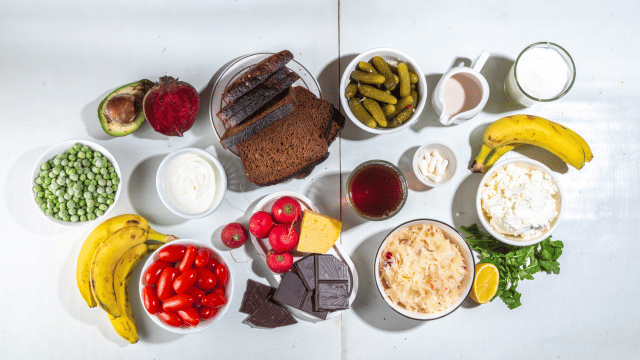
Imagine your gut as a thriving metropolis with trillions of bacteria, some beneficial and some detrimental.
When the beneficial bacteria flourish, they create potent compounds that maintain a healthy immune system, a calm brain, and a smooth digestive system.
The food that keeps these beneficial bacteria alive and well is called prebiotics.
Prebiotics are not digested like regular fiber, so they pass through the large intestine undigested and are fermented by your gut microbes.
The bacteria create short-chain fatty acids (SCFAs) such as butyrate, acetate, and propionate during this fermentation process. These substances nourish the cells that line your stomach.
- Cut down on inflammation.
- Make your intestinal barrier stronger.
- Utilize the gut-brain axis to promote brain health.
Prebiotics' Function: Supporting the Gut Ecosystem
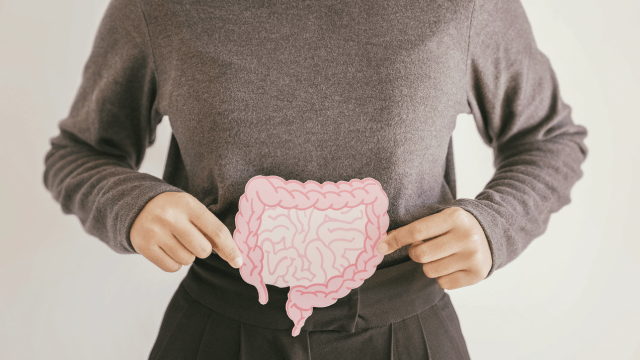
We must first comprehend the function of these unique fibers in order to comprehend prebiotic cooking.
Prebiotic fibers travel through your small intestine undigested when you eat foods like garlic, onions, or slightly green bananas. Your beneficial bacteria, particularly Bifidobacteria and Lactobacilli, begin fermenting them as soon as they arrive in your colon.
Butyrate, the key component of gut health, is produced by this fermentation. Butyrate is essential for lowering inflammation and fostering immunological balance. It also functions as a natural fuel for the lining of your stomach.
Real-world example: Eating prebiotic-rich foods every day, such as cooked-and-cooled potatoes or garlic, can gradually help you regain equilibrium if you frequently experience bloating, irregular digestion, or fatigue after meals.
Choosing the Prebiotic Powerhouses for the Pantry
What is the best thing about cooking with prebiotics?
These ingredients are most likely already in your kitchen!
Let's examine some of the best — and tastiest — foods that are high in prebiotics.
1. Alliums (leeks, onions, and garlic)
In addition to being the flavoring agent of many foods, alliums are also superfoods for gut health.
They contain fructooligosaccharides (FOS) and inulin, two fiber types that specifically nourish beneficial bacteria like Bifidobacteria.
- Garlic: Raw or mildly cooked garlic boosts immunity and encourages the growth of good bacteria.
- Natural antioxidants: like quercetin and prebiotics can be found in onions.
- Leeks: A milder allium that contains a lot of prebiotics.
Cooking tip: To preserve the compounds in garlic and onions, sauté them gently over low heat rather than overfrying them.
2. Green and Root Vegetables (Jerusalem artichokes, chicory root, and asparagus)
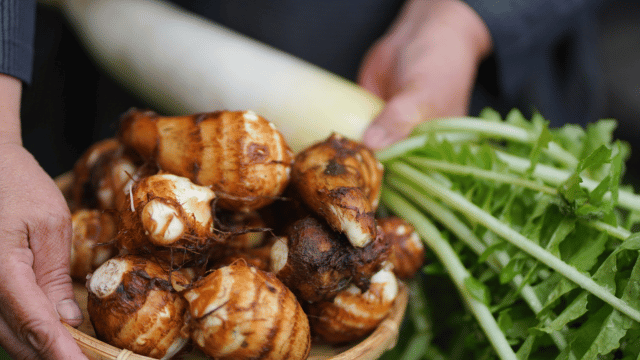
Two of the best prebiotic vegetables are chicory root and asparagus. They are high in inulin, which aids in digestion and controls the frequency of bowel movements.
- To maintain the fiber structure of asparagus, lightly steam or roast it.
- Chicory root is one of the best sources of inulin and is frequently used as a caffeine-free coffee substitute.
- Roasting Jerusalem artichokes brings out their earthy and slightly nutty flavor.
Pro tip: Don't overcook; the inulin content is preserved by mild heat.
Real-world example: For a gut-friendly side dish, combine steamed asparagus with lemon, sesame seeds, and olive oil.
3. Resistant Starch (cooked, chilled potatoes and slightly green bananas)
One special kind of prebiotic that withstands small intestinal digestion is resistant starch. Rather, it enters the colon undamaged and feeds the good bacteria.
Resistant starch is available from:
- Bananas that are a little green
- cooked and cooled potatoes or rice
- overnight-soaked rolled oats
Why cooling matters: Retrogradation, a process that occurs when cooked starchy foods like rice or potatoes cool, alters their starch structure and makes them more resistant.
Real-world example: For a quick and gastrointestinal-friendly lunch, make a potato salad with cooled boiled potatoes, mustard, and olive oil.
The Crucial Kitchen Tip: Unlocking the Potential of Garlic
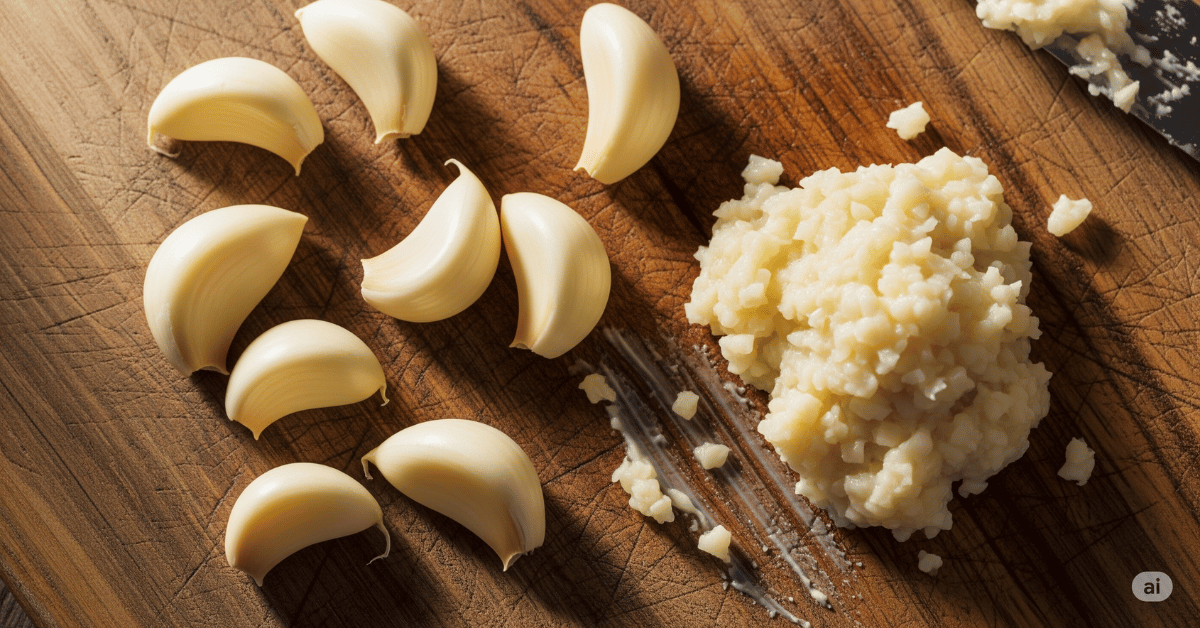
Garlic can be turned from a basic seasoning into a potent medicinal ingredient with just one trick.
The scientific method
Alliin and alliinase are inactive compounds found in garlic.
Allicin, a powerful natural substance with antimicrobial, anti-inflammatory, and prebiotic properties, is created when garlic is chopped or crushed.
But because allicin is heat-sensitive, you lose most of its health benefits if you throw chopped garlic directly into hot oil.
The Fix for the Kitchen:
Before cooking, let the garlic rest for ten minutes after crushing or chopping it.
As a result, alliinase can function properly and produce the most allicin possible.
You can add it raw at the end of cooking or cook it lightly after resting.
Real-world example: To preserve flavor and gut health benefits, crush the garlic first, let it sit while you prepare the vegetables, and then cook it when making stir-fry or dal tadka.
Prebiotic Cooking in Everyday Life: Useful Instances
You don't need a special diet or pricey ingredients to include prebiotics in your meals.
Here's how to easily develop prebiotic habits:
- Breakfast: Top smoothies or oats with sliced green bananas.
- Lunch: Add leeks or onions that have been lightly sautéed to soups or curries.
- Dinner is cooked and cooled rice served with fermented vegetables or steamed asparagus on the side.
- Snacks: Roasted chickpeas or garlic hummus.
Your gut microbiome, which is the cornerstone of long-term wellness, can be progressively strengthened by these tiny, regular steps.
Beyond the Gut: The Relationship Between Mind and Body
New studies show how the gut-brain axis affects mood and mental health.
Indirectly, prebiotics help with this by boosting butyrate production, which lowers gut inflammation, a major cause of stress and mood disorders.
As a reminder that gut health is whole-body health, better sleep, a more tranquil mood, and increased focus are frequently associated with gut health.
In conclusion, a thoughtful return to authentic food
Small, deliberate steps, such as letting garlic rest, selecting whole vegetables, or savoring cooled rice, are key components of the art of prebiotic cooking.
The invisible ecosystem that drives your immunity, digestion, and mental health is strengthened by each of these decisions.
Your microbiome flourishes in your kitchen, which is more than just a place to prepare meals.
Cooking mindfully cultivates life within you in addition to providing nourishment for your body.
FAQs: Cooking with Prebiotics
Q1: What distinguishes probiotics from prebiotics?
Your gut bacteria are fed by prebiotics.
The live bacteria that are present in fermented foods, kefir, and yogurt are known as probiotics.
They complement one another.
Q2: Can a typical diet provide me with adequate prebiotics?
Indeed! If consumed on a regular basis, basic foods like garlic, onions, and bananas can readily satisfy your needs.
Q3: Is it possible to cook prebiotic foods without sacrificing their benefits?
Yes, provided that you steer clear of overboiling and instead employ delicate cooking techniques like steaming, roasting, or light sautéing.
Q4: Do you need to take prebiotic supplements?
Usually not. A more natural and balanced source of fiber can be found in whole foods.
Q5: Is it possible for prebiotic foods to induce bloating or gas?
Yes, occasionally, particularly if you're not accustomed to eating a lot of fiber. Start small and work your way up.
Bio of the Author
Azad is the creator of Kitchen Made Health, a website devoted to home cures, natural wellness, and healthy living. He is committed to helping readers live better lives by fusing conventional wisdom with cutting-edge nutrition science.
Also read this:
The Gut-Health Revolution: Natural Ways to Beat Bloating and Boost Digestion
What Happens to Your Body When You Start Eating Moringa Every Day?
Natural Ways to Control High Blood Pressure: Foods, Yoga & Lifestyle Habits
Disclaimer:
The information on Kitchen Made Health is provided for educational and informational purposes only and is not intended as medical advice.
Always consult with a qualified healthcare professional before making any changes to your diet, supplements, exercise routine, or lifestyle — especially if you have an existing medical condition, take prescription medications, or are pregnant or breastfeeding.
The content shared here reflects general wellness knowledge and should not be used to diagnose, treat, or cure any disease.
Results may vary from person to person. If you experience any unusual symptoms or health concerns, please seek immediate medical attention.