
We can use our nails as a subtle health report card in addition to adding a finishing touch to our appearance. Your nails' hue, form, and texture frequently reveal what's going on within your body.
Persistent or unusual color changes may indicate underlying health issues, even though occasional discoloration or changes to the nails are usually harmless and can be caused by nail polish, minor injuries, or aging.
Your nail color can reveal more about your general health than you may think, ranging from bluish nails that indicate oxygen deprivation to white nails that suggest liver problems.
Let's examine the potential implications of these changes, early warning signs, and when to consult a doctor.
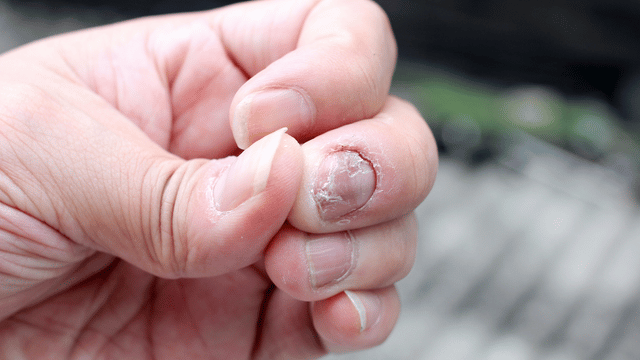
1. White Nails: The Hidden Warning Beneath the Surface
How It Appearances
The majority of the nails are white, though occasionally there is a darker rim around the tips. The nail may appear “frosted” due to a pale or hazy base.
What It Could Signify
In certain situations, this nail design, called Terry's Nails, may indicate underlying medical issues like:
- Hepatitis or cirrhosis are examples of liver diseases.
- Heart failure caused by congestive heart failure
- Failure of the kidneys
- Diabetes
The Science of It
The nail may lose its pinkish color if there is a buildup of fluid or a reduction in blood flow to the nail bed. Changes in the nail plate brought on by low oxygenation or decreased protein levels can also give the nail plate its white hue.
An Example from Real Life
If an elderly person notices that their nails are getting pale white, they might think it's just aging. On the other hand, if they also experience fatigue, eye swelling, or yellowing, this may indicate a liver issue that requires prompt medical attention.
2. Yellow Nails: More Than a Cosmetic Concern
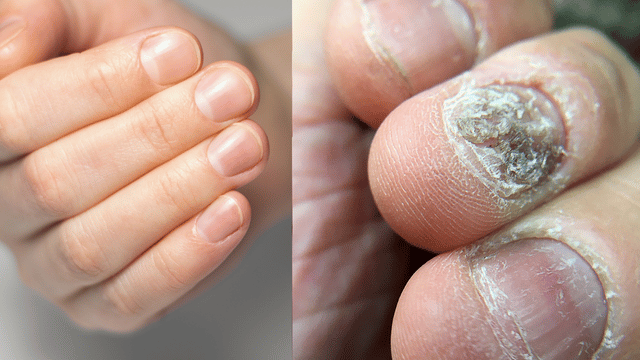
What It Looks Like
Nails become yellowish and frequently become thicker or more curved. The nail may become slightly detached from the bed as growth slows.
What It Might Mean
A fungal infection is the most frequent cause, but it can also indicate:
- Respiratory conditions like sinusitis and chronic bronchitis are associated with yellow nail syndrome.
- A disorder called lymphedema causes fluid to accumulate and swell the limbs.
- Regular smoking or nail polish application (which stains surfaces)
The Science Behind It
Warm, damp conditions are ideal for fungi, and toenails are particularly susceptible. Keratin accumulation causes them to thicken and change color over time.
An Example from Real Life
Regular nail polish wearers may experience persistent yellowing even after taking it off. A fungal infection is likely if there is brittleness and thickening of the nails; antifungal drugs can be used to treat this condition.
3. Bluish or Purple Nails: When Oxygen Levels Drop
What It Looks Like
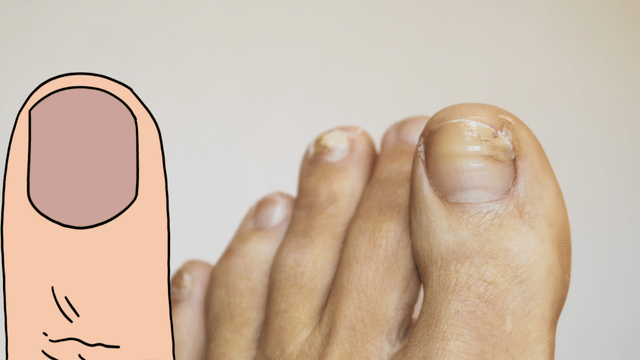
Cyanosis is the medical term for the bluish or purplish change in the nail bed.
What It Might Mean
When your blood isn't receiving enough oxygen, you get bluish nails. Among the potential root causes are:
- Lung diseases (pneumonia, emphysema, and asthma)
- Heart disease (heart failure or poor circulation)
- Reduced blood flow to the fingers and toes as a result of stress or cold is known as Raynaud's phenomenon.
The Science Behind It
Your blood's hemoglobin carries oxygen. Hemoglobin darkens when oxygen levels drop, giving nails a bluish hue.
An Example from Real Life
Raynaud's disease may be the cause if your fingers or nails turn blue in cold weather and then turn back to normal. However, if the discoloration continues or is accompanied by dyspnea, it may indicate heart or circulatory problems.
4. Pale or White Nail Beds: Signs of Low Blood Flow or Anemia
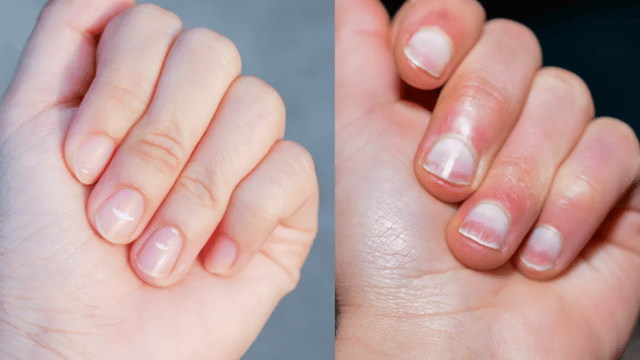
What It Looks Like
The nail beds become ghostly white, drab, or pale after losing their rosy pink hue.
What It Might Mean
Low blood circulation or a decreased red blood cell count can be indicated by pale nails and are frequently associated with:
- Anemia, or iron deficiency
- Undernourishment
- Heart failure caused by congestive heart failure
The Science of It
The capillaries beneath healthy nails give them their pink hue. Anemia causes the blood to become paler and contain less hemoglobin, which lessens the color of the nail bed.
An Example from Real Life
You may be deficient in iron or vitamin B12, which are vital for blood health, if your nails appear pale and you experience persistent fatigue, lightheadedness, or weakness.
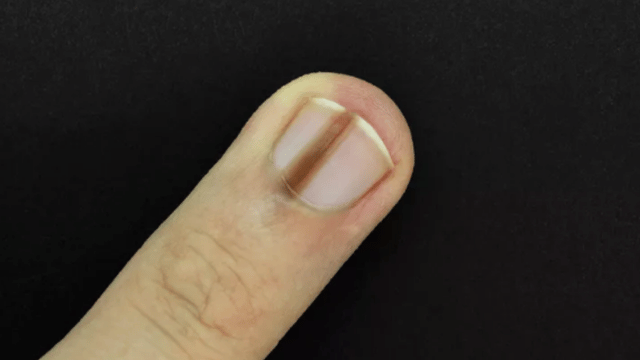
5. Dark Lines or Streaks: When to Take It Seriously
What It Looks Like
Black or dark brown lines that extend vertically from the nail's base to its tip.
What It Might Mean
Melanonychia, or these streaks, can be a normal pigmentation in people with darker skin tones. On the other hand, melanoma, a dangerous type of skin cancer, may be indicated by the appearance of new or changing streaks, particularly on a single nail.
An Example from Real Life
A woman's thumb appears to have a new, widening black streak. Her dermatologist diagnoses it as subungual melanoma despite the fact that it is painless, highlighting the importance of early detection.
When to Get Assistance
Any sudden appearance of a dark streak or changes in color or width necessitates a medical evaluation right away.
6. Red or Brown Splinters: The Tiny Lines That Speak Volumes
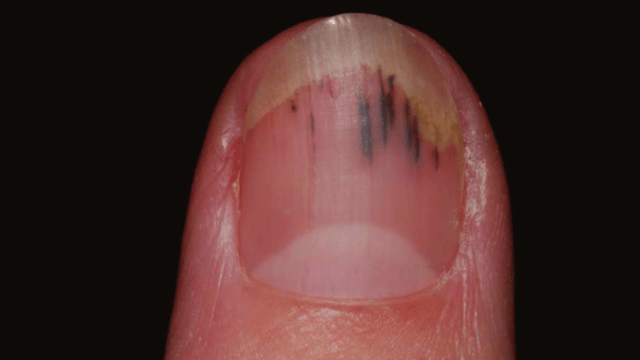
What It Looks Like
Beneath the nails are tiny reddish-brown lines that look like wood splinters.
What It Might Mean
These are known as splinter hemorrhages, and they are brought on by damage to tiny blood vessels. They may follow minor trauma, but if they appear on several nails, they could be caused by:
- Endocarditis, or infection of the heart
- Lupus or psoriasis
- Rheumatoid arthritis
The Science That Underlies It
Narrow streaks of blood form underneath the nail when the tiny capillaries burst.
An Example from Real Life
Thin red lines appear beneath the nails of a feverish person who is recuperating. This could indicate endocarditis, which requires immediate care, if it coexists with exhaustion, chest pain, or a recurrence of fever.
When to See a Doctor
Not all nail changes indicate a serious issue; occasionally, polish, small wounds, or aging are to blame. However, you ought to speak with a medical expert if you observe:
- Unexpected or inexplicable variations in the color or shape of the nails.
- persistent discoloration that doesn't go away.
- Dark lines that develop or shift over time.
- Changes in nails accompanied by discomfort, edema, or bleeding.
- Additional symptoms like exhaustion, jaundice, or dyspnea.
A primary care physician or dermatologist can assess your medical history, look at your nails, and, if necessary, order tests.
How to Keep Your Nails Healthy
Even if your nails appear healthy right now, taking preventative care can help you avoid issues down the road:
- Consume a well-balanced diet high in iron, omega-3 fatty acids, protein, and biotin.
- To stop fungus from growing, keep your nails dry and clean.
- When cleaning, wear gloves and stay away from harsh chemicals.
- Use less nail polish and let your nails breathe.
- To increase blood circulation, moisturize the cuticles.
- Avoid picking your nails or biting them as this can cause infections.
FAQs on Nail Color and Health
1. Can stress alter the color of my nails?
Indeed. Prolonged stress can impair circulation, resulting in brittle or pale nails. Additionally, it might encourage nail biting, which harms nail beds.
2. When I get cold, why do my nails turn blue?
Peripheral vasoconstriction is a transient alteration in circulation where blood vessels constrict to retain heat. When you warm up, it usually goes away.
3. Which vitamin deficiency results in white nails?
White spots or pale nails may be caused by a deficiency in iron, zinc, or vitamin B12.
4. Are nail ridges typical?
As we age, we may develop fine vertical ridges. Thyroid imbalance or nutritional deficiencies may be indicated by deep ridges or splitting.
5. Is nail color a sign of cancer?
Very seldom, yes. A dark stripe that spreads to the surrounding skin or changes shape could be a sign of melanoma and should be evaluated right away.
and Finally
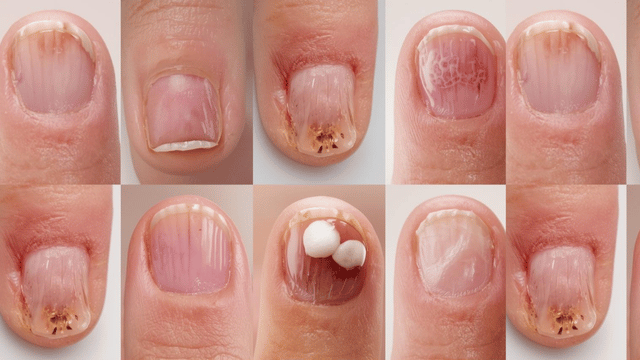
You should pay attention to your nails because they are small health indicators that are more than just aesthetics.
A slight change in color might not indicate much, but abrupt or persistent changes can indicate issues with your organs, circulation, or oxygen levels.
The secret is awareness: take note of the patterns, take good care of your nails, and never disregard unusual or persistent discoloration. You can maintain strong, glowing nails and general health with the right diet, hydration, and self-care.
Related Articles You’ll Love
How to Improve Liver Health Naturally: Detox Tips That Work
Boosting Nervous System Health: Key Symptoms, Natural Remedies & Improvement Tips
Power-Packed Fruits for Immunity and Energy: Fuel Your Day, Starting on an Empty Stomach
Bio of the Author
Azad is the creator of Kitchen Made Health, a website devoted to home cures, natural wellness, and healthy living. He is committed to helping readers live better lives by fusing conventional wisdom with cutting-edge nutrition science.
Disclaimer:
The information on Kitchen Made Health is provided for educational and informational purposes only and is not intended as medical advice.
Always consult with a qualified healthcare professional before making any changes to your diet, supplements, exercise routine, or lifestyle — especially if you have an existing medical condition, take prescription medications, or are pregnant or breastfeeding.
The content shared here reflects general wellness knowledge and should not be used to diagnose, treat, or cure any disease.
Results may vary from person to person. If you experience any unusual symptoms or health concerns, please seek immediate medical attention.